When Advanced Tooth Care Requires an Endodontist


Not every dental problem can be solved with a filling or routine cleaning. Some conditions involve the inside of the tooth, where the pulp, nerves, blood vessels, and root canals are located. When these structures become damaged or infected, an endodontist can provide specialized evaluation and treatment.
Endodontists receive additional training beyond dental school focused on diseases and injuries affecting the dental pulp and tissues surrounding tooth roots. Their work often centers on preserving natural teeth that might otherwise require extraction.
For patients in Arcadia, understanding what an endodontist actually handles can make it easier to know when specialized care may be appropriate.
What Is an Endodontist?
An endodontist is a dental specialist who focuses on diagnosing and treating problems involving the inside of a tooth and the tissues around its roots.
While general dentists provide comprehensive dental care, endodontists concentrate on more complex cases involving the dental pulp and root canal system.
Common reasons for endodontic evaluation include:
- Inflammation or infection inside a tooth
- Complicated root canal anatomy
- Dental injuries
- Persistent problems after previous treatment
- Tooth pain with an unclear source
- Conditions requiring microsurgical treatment
The goal isn’t simply to eliminate symptoms. In many cases, the larger objective is to preserve the natural tooth and its function.
Why Some Tooth Problems Are Difficult to Diagnose
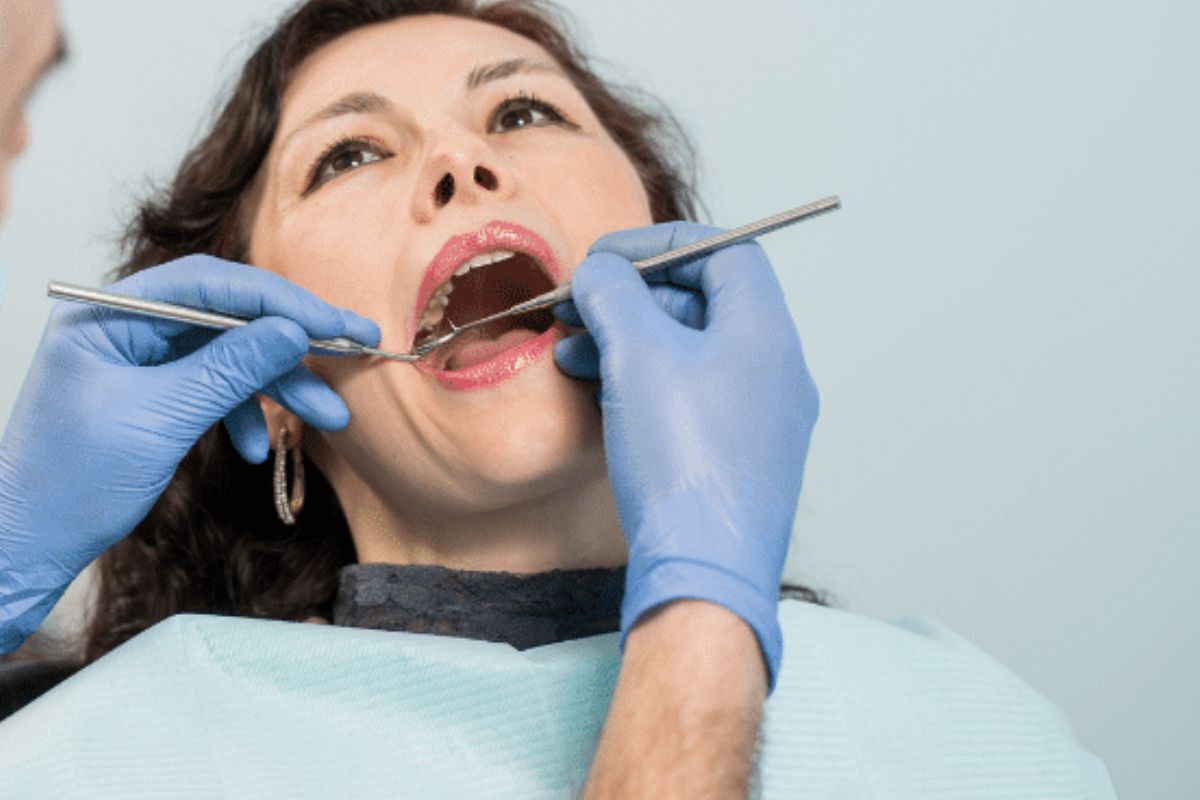
A tooth can look relatively normal on the outside while developing a serious problem internally.
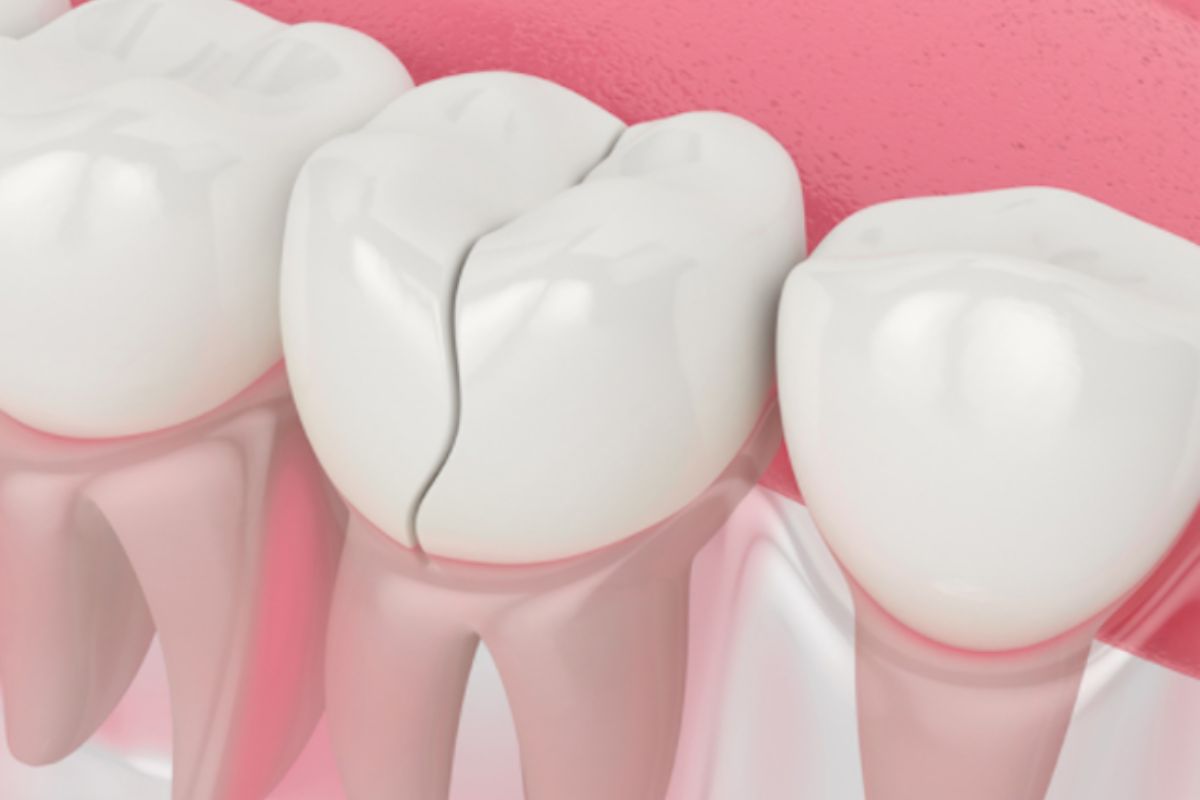
For example, a patient may have discomfort when chewing, but a standard visual examination may not immediately reveal the cause. The source could involve the pulp, a root, surrounding bone, a crack, or another tooth altogether.
Endodontic diagnosis may involve several types of testing rather than relying on symptoms alone.
Depending on the situation, an endodontist may use:
- Dental X-rays
- Three-dimensional imaging
- Cold or heat sensitivity testing
- Percussion testing
- Bite testing
- Magnification
- A detailed dental history
This comprehensive approach helps distinguish endodontic pain from problems originating elsewhere in the mouth.
When a General Dental Visit May Lead to an Endodontic Referral
Your general dentist may recommend an endodontist when a case requires specialized diagnosis or treatment.
A referral may be appropriate when:
The tooth has complicated anatomy
Some teeth contain narrow, curved, calcified, or unusually shaped canals. These characteristics can make treatment more technically challenging.
Previous treatment needs further evaluation
A tooth that has already received root canal treatment may develop new symptoms or show signs of persistent disease. An endodontist can assess whether additional treatment is possible.
The source of pain isn’t obvious
Sometimes a patient knows exactly where it hurts, but the underlying cause isn’t immediately clear. Specialized testing can help identify the responsible tooth.
Dental trauma has occurred
A tooth damaged by an accident, sports injury, or fall may develop internal problems even when there is little visible damage.
Advanced Technology Can Improve Diagnosis and Treatment
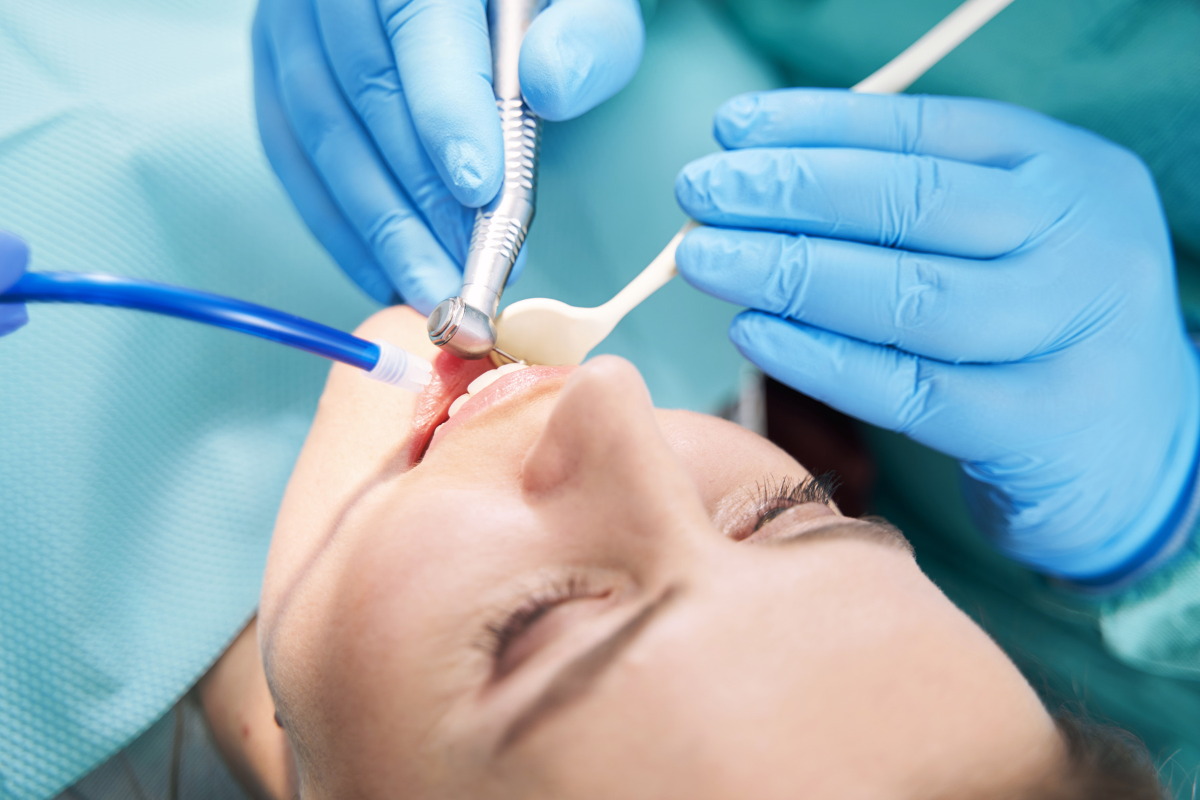
Modern endodontics combines clinical expertise with specialized technology.
At The Ivy Institute, the practice focuses on endodontics and dental pain management, with advanced diagnostic and treatment approaches available for complex cases. The practice’s team includes specialists with training from institutions such as UCLA and the University of Pennsylvania.
Technology doesn’t replace clinical judgment. Instead, it can give the specialist more information when evaluating complicated anatomy or determining the source of symptoms.
For example, three-dimensional imaging can provide a different perspective from a traditional two-dimensional X-ray, while dental magnification can help the clinician work with greater visual detail.
Does Seeing an Endodontist Automatically Mean You Need a Root Canal?
No.
An endodontic consultation is an opportunity to determine what’s actually causing the problem. A patient may ultimately need root canal treatment, retreatment, microsurgery, monitoring, or another form of dental care.
That distinction matters because tooth pain doesn’t always originate from the dental pulp.
A thorough evaluation can help prevent unnecessary treatment and ensure that the appropriate tooth receives attention.
Why Preserving the Natural Tooth Matters
When a natural tooth can be predictably saved, preserving it is often an important part of treatment planning.
A natural tooth has a complex relationship with the surrounding bone, gums, neighboring teeth, and bite. Removing it creates a need to consider replacement options such as an implant, bridge, or removable restoration.
Endodontic treatment can sometimes provide an alternative by addressing disease within the tooth while allowing the natural tooth to remain in place.
What Should You Bring to an Endodontic Appointment?
A little preparation can make your consultation more productive.
Bring or provide:
- A list of current medications
- Information about previous dental treatment
- Details about when symptoms started
- Information about previous injuries to the tooth
- Any recent dental X-rays, if available
- Questions about your diagnosis and treatment choices
Try to describe the symptoms as specifically as possible. Mention whether the discomfort occurs spontaneously, with chewing, or after exposure to hot or cold temperatures.
Choosing Specialized Endodontic Care in Arcadia
Finding the right specialist isn’t only about locating a practice close to home. Experience, training, diagnostic capabilities, communication, and the ability to manage complex cases all matter.
The Ivy Institute in Arcadia specializes in endodontics and periodontics, with its endodontic team focused on preserving natural teeth and treating dental pain.
If your dentist has recommended an endodontic consultation—or you’re experiencing unexplained tooth symptoms—an evaluation can help you understand what’s happening before deciding on treatment.
The Bottom Line
An endodontist specializes in some of the most technically demanding problems involving the inside of a tooth. Their expertise can be particularly valuable when symptoms are difficult to diagnose, previous treatment has been unsuccessful, or preserving a natural tooth requires specialized care.
If you’re experiencing unexplained dental pain or have been referred for endodontic treatment in Arcadia, CA, contact The Ivy Institute to discuss your condition and schedule an evaluation.
FAQs
What does an endodontist specialize in?
An endodontist specializes in diagnosing and treating conditions involving the dental pulp, root canals, and tissues surrounding tooth roots.
Why would my dentist refer me to an endodontist?
A dentist may refer you when a tooth has complicated anatomy, requires specialized treatment, has experienced trauma, or continues to cause problems after previous treatment.
Can an endodontist diagnose tooth pain?
Yes. Endodontists use clinical examinations, dental imaging, and diagnostic tests to determine whether pain is coming from the tooth’s pulp or another source.
Does an endodontist only perform root canals?
No. Endodontists also evaluate dental trauma, perform root canal retreatment, treat complex cases, and may perform endodontic microsurgery.
Can an endodontist save a tooth that might otherwise be extracted?
In appropriate cases, specialized endodontic treatment can help preserve a natural tooth that might otherwise require extraction.