Endodontist: How Tooth Pain Is Diagnosed When the Cause Isn’t Obvious


Tooth pain seems like it should be easy to identify. After all, if one tooth hurts, shouldn’t it be obvious which tooth is causing the problem?
Not always.
Some dental pain is difficult to localize. Discomfort can radiate to nearby teeth, appear only when you bite, or come and go without an obvious cause. A routine dental examination may not immediately explain what’s happening.
That’s where an endodontist can play an important role.
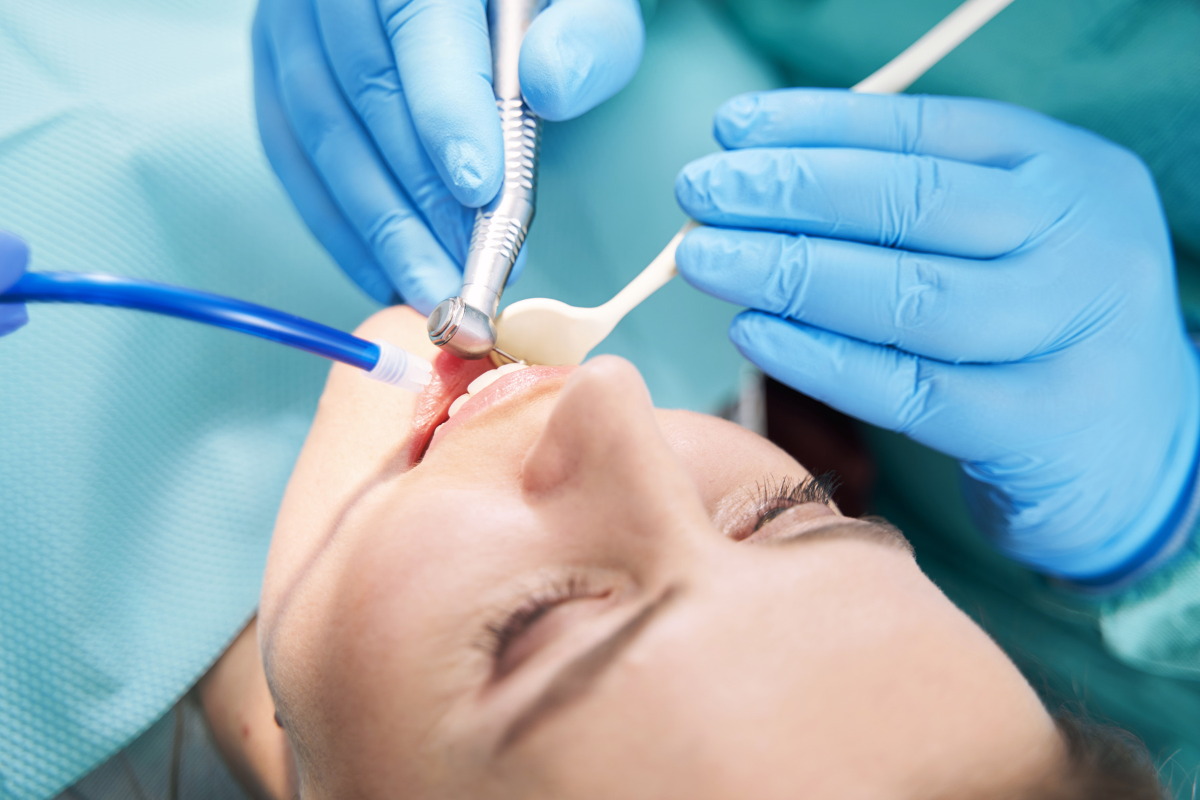
Endodontists specialize in diagnosing and treating conditions involving the dental pulp and tissues surrounding the roots of teeth. Their additional specialty training can be particularly useful when the source of tooth pain isn’t immediately clear.
Why Can Tooth Pain Be Difficult to Locate?
The nerves inside the teeth and surrounding tissues can produce sensations that are difficult for patients to distinguish.
For example, you may feel pain on one side of your mouth but have difficulty identifying the exact tooth responsible.
Pain can also change depending on the situation.
You might experience:
- Discomfort when chewing
- Sensitivity to hot or cold
- Occasional throbbing
- Pain that appears without warning
- Tenderness around a particular tooth
- Symptoms that seem to move between nearby teeth
These symptoms don’t automatically mean you need a root canal.
Instead, they provide information that helps your dental provider determine what should be investigated.
What Does an Endodontist Look For?
An endodontic evaluation isn’t based on a single symptom or X-ray.
The specialist considers several pieces of information together.
Your dental history
Previous fillings, crowns, root canals, injuries, and other procedures can help explain changes within a tooth.
A tooth that has undergone repeated treatment may require a different diagnostic approach than a tooth that has never been treated.
Your description of the pain
When did the discomfort begin?
Does it occur spontaneously or only when you eat?
Does hot or cold trigger it?
Does the sensation disappear immediately, or does it linger?
These details can help the endodontist determine which diagnostic tests may be useful.
Clinical testing
An endodontist may perform different tests to evaluate the tooth and surrounding structures.
Depending on the situation, testing may include temperature, percussion, palpation, or bite testing.
The purpose is to compare the responses of the suspected tooth with neighboring teeth and identify patterns that may help locate the source.
Why Dental Imaging Matters
Imaging can provide information that cannot be seen during a visual examination.
Dental X-rays can help the specialist evaluate the roots, surrounding bone, and other structures.
In more complex cases, three-dimensional imaging may provide additional information about root anatomy or areas that are difficult to evaluate using conventional images alone.
However, imaging is only one part of the diagnosis.
A picture should be interpreted alongside your symptoms, clinical findings, and dental history.
What If the Tooth Looks Normal?
This is one of the most frustrating situations for patients.
You may have genuine pain even when an initial X-ray doesn’t show an obvious problem.
Some conditions are difficult to identify early, while others involve anatomy that isn’t clearly visible on a conventional image.
An endodontist may therefore use additional testing or imaging when appropriate rather than assuming that a normal-looking image means nothing is wrong.
How Cracks Can Complicate Diagnosis
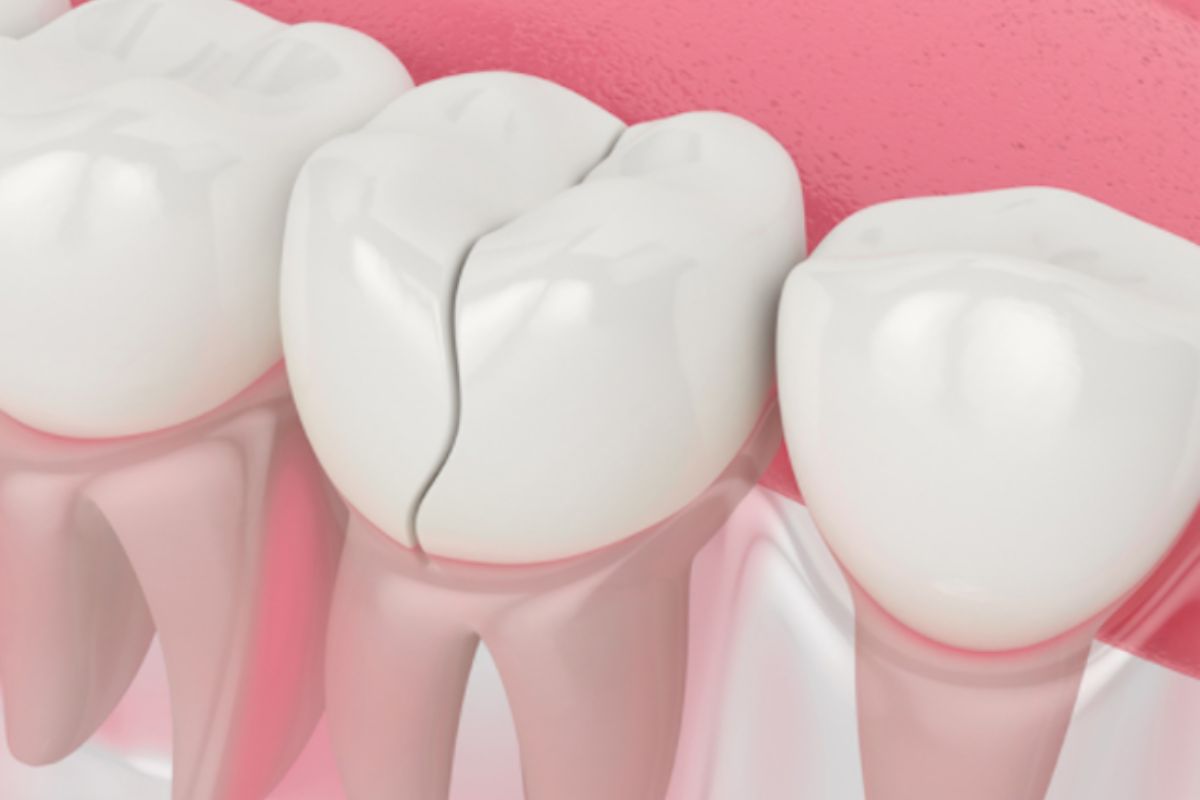
Cracked teeth can be particularly challenging.
A crack may not always be obvious during a routine examination or on a standard dental X-ray.
Patients may notice pain when chewing, sensitivity, or discomfort that is difficult to reproduce consistently.
The location and extent of a crack matter because different types of tooth damage can require very different treatment approaches.
An endodontic evaluation can help determine whether the pulp is involved and whether endodontic treatment may be appropriate.
What Happens If the Problem Isn’t the Tooth?
Not every type of facial or oral pain originates from the dental pulp.
That is another reason accurate diagnosis matters.
If an endodontist determines that the symptoms don’t appear to originate from the tooth being evaluated, unnecessary dental treatment may potentially be avoided.
Depending on the findings, your provider may recommend evaluation by another dental or medical professional when appropriate.
The goal is to identify the source of the pain—not simply to treat the nearest tooth.
When Is an Endodontist Evaluation Especially Useful?
An endodontist may be particularly helpful when a dental problem is difficult to diagnose or involves a complicated history.
Examples include:
- Persistent tooth pain without a clear cause
- Lingering temperature sensitivity
- Pain when biting
- Suspected cracked teeth
- Dental trauma
- Complications involving a previous root canal
- Unusual or complex root anatomy
Endodontists receive advanced specialty training focused on diseases and injuries involving the dental pulp and root structures.
What Should You Bring to Your Appointment?
You can make your appointment more productive by preparing a few details beforehand.
Write down:
- When the pain started
- What triggers it
- How long it lasts
- Whether the pain is sharp, dull, or throbbing
- Whether chewing makes it worse
- Any recent dental treatment
- Any history of trauma to the tooth
If another dentist has taken recent X-rays, bringing those records may also be helpful.
Endodontic Evaluation in Arcadia, CA
If you’re looking for an endodontist in Arcadia, choosing a specialist can be especially useful when the source of tooth pain isn’t immediately clear or when a case involves complicated root anatomy or previous treatment.
The Ivy Institute provides endodontic specialty care in Arcadia, including evaluation and treatment for conditions affecting the dental pulp and root structures.
The focus is on understanding what’s causing the problem and determining whether the natural tooth can be treated and preserved.
The Bottom Line
Tooth pain isn’t always straightforward.
When symptoms don’t clearly identify the source of discomfort, an endodontist can use a combination of dental history, clinical testing, imaging, and specialized knowledge to investigate the problem.
The objective isn’t simply to perform a procedure. It’s to reach an accurate diagnosis and identify the most appropriate treatment—or determine when endodontic treatment isn’t the right answer.
If persistent or unexplained tooth pain is affecting you, an endodontic evaluation can help clarify what’s happening and what options may be available.
FAQs
What does an endodontist diagnose?
An endodontist diagnoses conditions involving the dental pulp, root canal system, and tissues surrounding the roots of teeth. They may also evaluate dental trauma and complications involving previously treated teeth.
Can an endodontist diagnose tooth pain that doesn’t show on an X-ray?
Sometimes. A conventional X-ray may not reveal every dental problem. An endodontist can combine imaging with clinical testing and your symptoms to investigate the source of pain.
Why does my tooth hurt when I bite but not at other times?
Pain with biting can have several possible causes, including inflammation around the tooth, cracks, or other dental conditions. An examination is needed to determine the specific cause.
Can a cracked tooth be treated by an endodontist?
An endodontist can evaluate a suspected cracked tooth and determine whether the pulp is affected and whether endodontic treatment may be appropriate.
When should I see an endodontist?
An endodontic evaluation may be appropriate for persistent tooth pain, lingering temperature sensitivity, dental trauma, suspected cracks, or problems involving a previous root canal.