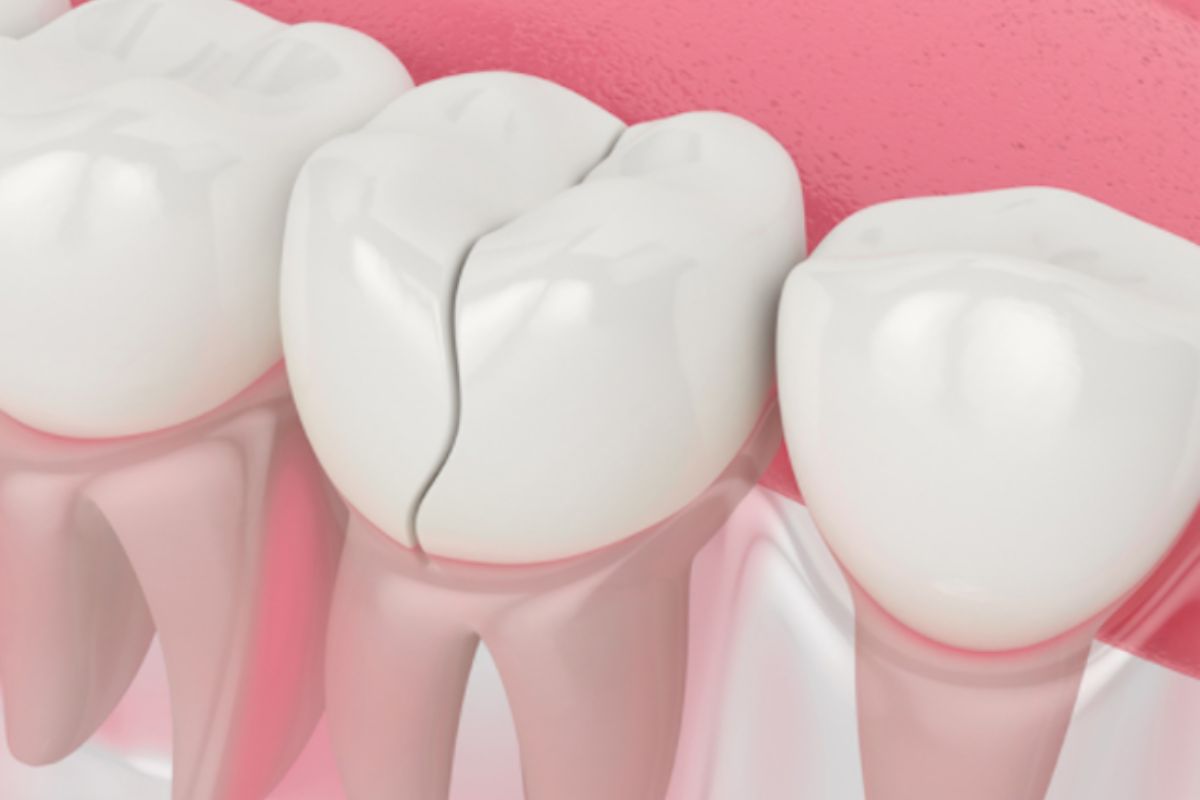
7 Signs You Should See an Endodontist Instead of Waiting


A toothache doesn’t always mean you need a filling. Sometimes, the problem lies deep inside the tooth, where the dental pulp and nerves become inflamed or infected. That’s when seeing an endodontist can make all the difference.
An endodontist is a dentist with advanced training in diagnosing and treating conditions that affect the inside of the tooth. Their goal is to save natural teeth whenever possible using specialized techniques and technology.
Knowing when to seek expert care can help you avoid worsening pain, prevent the spread of infection, and increase the chances of preserving your tooth. Here are seven signs that it’s time to schedule an evaluation with an endodontist.
1. Tooth Pain That Doesn’t Go Away
Occasional sensitivity after eating something cold is common. Persistent or recurring pain, however, deserves closer attention.
You may benefit from seeing an endodontist if your pain:
- Lasts for several days
- Wakes you up at night
- Gets worse when chewing
- Occurs without an obvious cause
- Returns after temporarily improving
Pain doesn’t always indicate the severity of the problem. In some cases, a deeply infected tooth may hurt only occasionally before the nerve begins to die. An endodontic evaluation can determine the source of the discomfort before it becomes more difficult to treat.
2. Lingering Sensitivity to Hot or Cold
It’s normal to feel a quick twinge when drinking an iced beverage or hot coffee. What isn’t normal is sensitivity that lingers for several seconds—or even minutes—after the temperature changes.
This often indicates that the pulp inside the tooth has become inflamed or damaged.
An endodontist uses advanced diagnostic tools to determine whether the tooth can heal on its own or whether root canal therapy is the best option to preserve it.
3. Swollen Gums Near One Tooth
Localized swelling around a single tooth is often a warning sign of infection.
You may notice:
- A tender bump on the gum
- Swelling that comes and goes
- A salty or unpleasant taste in your mouth
- Drainage from the affected area
These symptoms may indicate a dental abscess. Even if the swelling temporarily subsides, the infection usually remains inside the tooth.
Prompt treatment can help prevent the infection from spreading to surrounding tissues and preserve your natural tooth.
4. A Tooth That Has Darkened in Color
A tooth that gradually turns gray, brown, or noticeably darker than neighboring teeth may have experienced internal damage.
This can happen after:
- A sports injury
- A fall
- An accident
- Previous dental trauma
Sometimes the tooth doesn’t hurt at all, leading many people to assume everything is fine. However, discoloration may signal that the nerve has died.
An endodontist can evaluate the tooth using digital imaging and recommend the most appropriate treatment before additional complications develop.
5. Pain When Biting or Chewing
If one tooth hurts every time you bite into food, it may indicate inflammation inside the tooth or infection around the root.
Pain while chewing can also result from:
- Deep decay
- Hidden cracks
- Previous dental work
- Trauma to the tooth
Because many of these conditions aren’t visible to the naked eye, specialized imaging is often necessary to identify the true cause.
Receiving an accurate diagnosis early often allows for more conservative treatment and better long-term outcomes.
6. A Tooth Has Been Injured
Not every dental injury causes immediate pain.
After a blow to the mouth, the tooth may appear completely normal while the nerve inside has been damaged. Weeks or even months later, symptoms may begin to appear.
An endodontist is trained to evaluate traumatic dental injuries and monitor healing over time.
Seeking care soon after an accident increases the likelihood of saving the tooth before irreversible damage occurs.
7. Your General Dentist Recommends a Specialist
General dentists provide excellent comprehensive dental care, but some cases require advanced expertise.
Your dentist may refer you to an endodontist when they identify:
- Complex root canal anatomy
- Severe infection
- Calcified canals
- Dental trauma
- Previous root canal complications
Referral doesn’t necessarily mean your case is unusually serious. It simply ensures you’re receiving care from a specialist who performs these procedures every day using advanced equipment designed specifically for endodontic treatment.
Why Specialized Endodontic Care Matters
Endodontists complete additional years of specialized education focused on diagnosing and treating diseases affecting the dental pulp.
Their advanced training is supported by technologies such as:
- Digital radiography for detailed imaging
- Cone Beam CT (CBCT) scans for three-dimensional diagnosis
- Dental operating microscopes
- Precision instruments designed for complex root canal systems
These tools allow for highly accurate diagnosis and treatment planning, particularly in cases involving complicated anatomy or previous dental work.
Why Early Treatment Can Save Your Tooth
Many patients wait until pain becomes unbearable before seeking care.
Unfortunately, delaying treatment may allow infection to spread, increasing the likelihood of:
- Larger abscesses
- Bone loss around the tooth
- Increased discomfort
- More complex treatment
- Tooth extraction in severe cases
Seeking evaluation at the first sign of persistent symptoms often leads to simpler treatment and better long-term outcomes.
What to Expect During Your Visit
Your appointment typically begins with a thorough examination of your symptoms and dental history.
Your endodontist may:
- Examine the affected tooth
- Take digital X-rays or CBCT imaging
- Perform sensitivity testing
- Evaluate nearby teeth and surrounding tissues
- Discuss treatment recommendations
Not every painful tooth requires a root canal. In some cases, monitoring the tooth or pursuing another form of treatment may be the most appropriate recommendation. The goal is always to preserve your natural teeth whenever possible.
Expert Endodontic Care in Arcadia, CA
Persistent tooth pain should never be ignored. Whether you’ve experienced dental trauma, lingering sensitivity, or swelling around a tooth, early evaluation can help prevent more serious complications.
At The Ivy Institute, our experienced team provides advanced endodontic care using modern diagnostic technology and evidence-based treatment techniques. We focus on relieving discomfort, preserving natural teeth, and helping patients make informed decisions about their oral health.
If you’re experiencing symptoms that may require an endodontist, schedule a comprehensive evaluation today. Early diagnosis can often make treatment more comfortable, predictable, and successful.
FAQs
What does an endodontist treat?
An endodontist specializes in diagnosing and treating conditions affecting the inside of the tooth, including infected or inflamed dental pulp, traumatic dental injuries, cracked teeth, and teeth requiring root canal therapy or retreatment.
Can I go directly to an endodontist?
Yes. While many patients are referred by their general dentist, you can also schedule an appointment directly if you’re experiencing persistent tooth pain, swelling, or other concerning symptoms.
Does every toothache require an endodontist?
No. Tooth pain can have many causes, including cavities, gum disease, or bite problems. An examination helps determine whether the pain originates from the tooth’s pulp or another dental condition.
Is seeing an endodontist better than waiting?
Early evaluation often helps prevent infection from worsening and may improve the chances of saving your natural tooth. Delaying treatment can lead to more extensive dental problems.
How is an endodontist different from a general dentist?
General dentists provide comprehensive oral healthcare, while endodontists receive additional specialty training focused on diagnosing and treating diseases and injuries affecting the inside of the tooth.