The Three Types of Cracked Teeth: Which One Requires Immediate Endodontic Care?

A cracked tooth can be easy to overlook at first. Many patients notice occasional discomfort when chewing or sensitivity to hot and cold foods and assume it will go away on its own. Unfortunately, cracks rarely heal naturally. When left untreated, they can deepen over time and allow bacteria to enter the inner layers of the tooth. Understanding the different types of cracks can help you recognize when professional care is needed and why early intervention is often the best way to protect your oral health.
What Causes a Tooth to Crack?
Teeth are strong, but they are not indestructible. Cracks can develop from several factors, including:
- Biting hard foods or ice
- Teeth grinding or clenching
- Sports-related injuries
- Large fillings that weaken tooth structure
- Sudden temperature changes from hot and cold foods
- Natural wear and tear over time
The severity of the crack often determines whether the tooth can be preserved and how urgently treatment is required.
What Are the Three Main Types of Cracked Teeth?
Craze Lines
Craze lines are tiny surface cracks that affect only the outer enamel layer. They are extremely common in adults and usually do not cause pain.
Signs of craze lines may include:
- Fine lines visible on the tooth surface
- No sensitivity or discomfort
- No impact on tooth function
Because these cracks remain superficial, they typically do not require endodontic treatment. However, regular dental examinations can help monitor any changes over time.
Fractured Cusp
A fractured cusp occurs when a portion of the chewing surface breaks away. This type of crack often develops around a filling or restoration.
Common symptoms include:
- Pain when biting down
- Sensitivity to pressure
- Localized discomfort near the affected area
Unlike deeper cracks, fractured cusps generally do not extend into the tooth pulp. Prompt evaluation is still important to prevent further structural damage.
Cracked Tooth
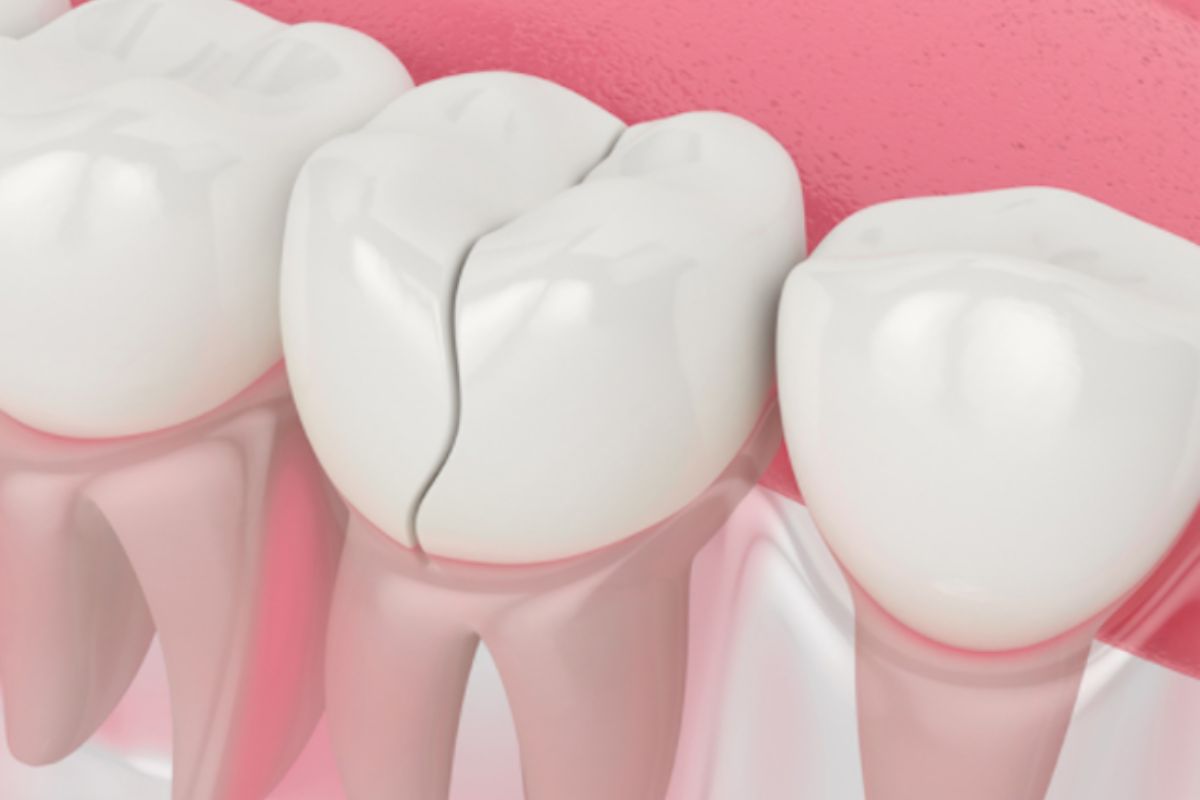
A cracked tooth is more serious because the fracture extends from the chewing surface toward the root. This type of crack can affect the pulp, where the tooth’s nerves and blood vessels are located.
Symptoms often include:
- Sharp pain while chewing
- Intermittent discomfort
- Sensitivity to hot or cold temperatures
- Difficulty identifying which tooth hurts
This is the type of crack most likely to require immediate endodontic care, especially when the pulp becomes inflamed or infected.
How Do You Know If a Crack Has Reached the Pulp?
When a crack extends into the inner portion of the tooth, symptoms often become more noticeable.
Warning signs may include:
| Symptom | Possible Significance |
|---|---|
| Lingering sensitivity | Pulp irritation |
| Pain when releasing bite pressure | Deep crack involvement |
| Swelling around the tooth | Potential infection |
| Sharp pain while chewing | Crack extending inward |
| Persistent discomfort | Possible nerve damage |
Patients experiencing these symptoms should not delay seeking professional evaluation.
In many cases, patients researching about our cracked tooth treatment in Arcadia are concerned about preserving their natural teeth before the damage progresses further. Early diagnosis often provides the greatest opportunity for successful treatment and long-term tooth preservation.
Which Type of Crack Requires Immediate Endodontic Care?
When Should You Seek Urgent Evaluation?
Among the three primary types of cracked teeth, a true cracked tooth extending into the pulp typically requires the most urgent attention.
Immediate evaluation is recommended when you experience:
- Severe pain during chewing
- Sudden sensitivity that lingers
- Swelling near the tooth
- Discomfort that disrupts daily activities
- Signs of infection
If bacteria reach the pulp, inflammation can develop rapidly. Endodontic treatment is often used to remove infected tissue and help save the natural tooth whenever possible.
Can a Cracked Tooth Heal on Its Own?
Unfortunately, no.
Unlike a broken bone, a cracked tooth cannot regenerate or repair itself. Once a crack forms, it generally remains present and may worsen with repeated chewing forces.
That is why monitoring symptoms and seeking professional guidance early is so important. Delaying care may allow the crack to spread deeper into the tooth structure.
What Happens During Endodontic Treatment?
Endodontic treatment focuses on preserving natural teeth whenever possible.
The process typically involves:
- Evaluating the crack and surrounding structures.
- Determining whether the pulp is affected.
- Removing damaged or infected tissue if necessary.
- Cleaning and sealing the inside of the tooth.
- Monitoring healing and long-term stability.
Experienced specialists such as Dr. David Li use advanced diagnostic techniques to identify the extent of damage and recommend the most appropriate course of care.
If discomfort develops unexpectedly, it is best to schedule an appointment rather than wait for symptoms to worsen.
Trending FAQs
- Can a cracked tooth be an emergency?
Yes. A deep crack affecting the pulp may require urgent treatment. - What does a cracked tooth feel like?
Many people experience pain while chewing and sensitivity to temperature changes. - Can a cracked tooth cause infection?
Yes. Bacteria can enter through the crack and reach the pulp. - How do dentists find hidden cracks?
Through clinical examinations, imaging, and specialized diagnostic tools. - Can a tooth crack without pain?
Yes. Some cracks remain symptom-free until they become larger. - Should I ignore occasional pain when chewing?
No. Intermittent pain is a common sign of a cracked tooth.
Why Early Diagnosis Matters
The sooner a crack is identified, the greater the chance of preserving healthy tooth structure. Small cracks can sometimes remain stable, while deeper fractures may progress quickly and compromise the tooth’s long-term health.
Regular dental evaluations help detect problems before they become more complex. Monitoring symptoms and seeking professional guidance at the first sign of discomfort can make a significant difference in treatment outcomes.
Near the end of your search for answers, remember that timely evaluation is often the key to protecting your natural smile. If you are searching for a endodontist near Arcadia, a thorough assessment can help determine whether a crack is superficial or requires immediate intervention. When symptoms such as chewing pain, lingering sensitivity, or swelling appear, it is wise to schedule an appointment and receive prompt professional guidance before the condition progresses further.