What Is the Recovery Time After Root Canal Retreatment?

Root canal procedures often bring relief from intense tooth pain, but sometimes a follow-up treatment becomes necessary. If you’ve experienced ongoing discomfort or noticed signs of trouble in a previously treated tooth, understanding the healing journey can ease your mind. This post dives into what happens after retreatment, offering clear guidance to help you feel prepared and confident.
Understanding Root Canal Retreatment
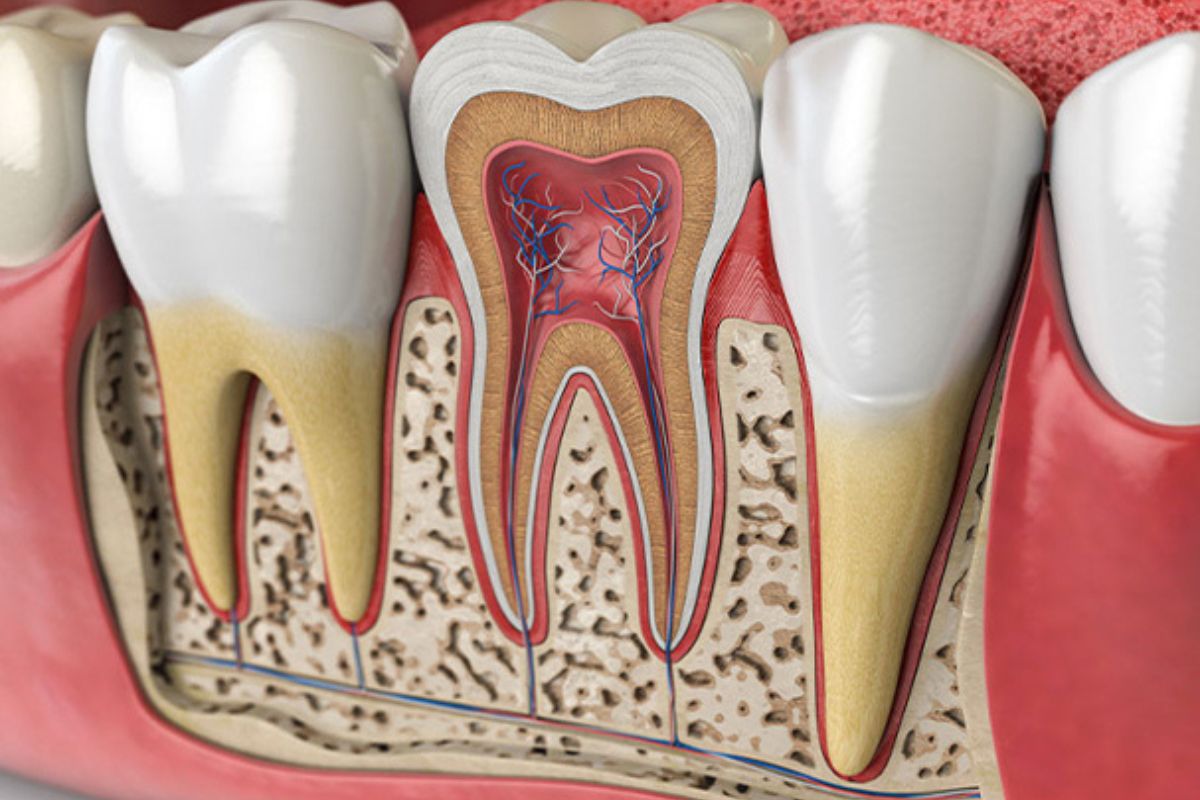
Root canal retreatment addresses issues that arise after an initial procedure. It involves reopening the tooth to remove old filling material, clean out any remaining infection, and reseal the canals. This step preserves the natural tooth and prevents further complications like abscesses.
Endodontists recommend retreatment when symptoms persist, such as swelling or sensitivity. The process uses advanced tools for precision, ensuring thorough cleaning. Patients often report less anxiety during retreatment due to familiarity with the steps.
Success depends on early detection. Regular check-ups spot problems before they worsen. Retreatment maintains oral health without needing extractions.
What to Expect During the Procedure
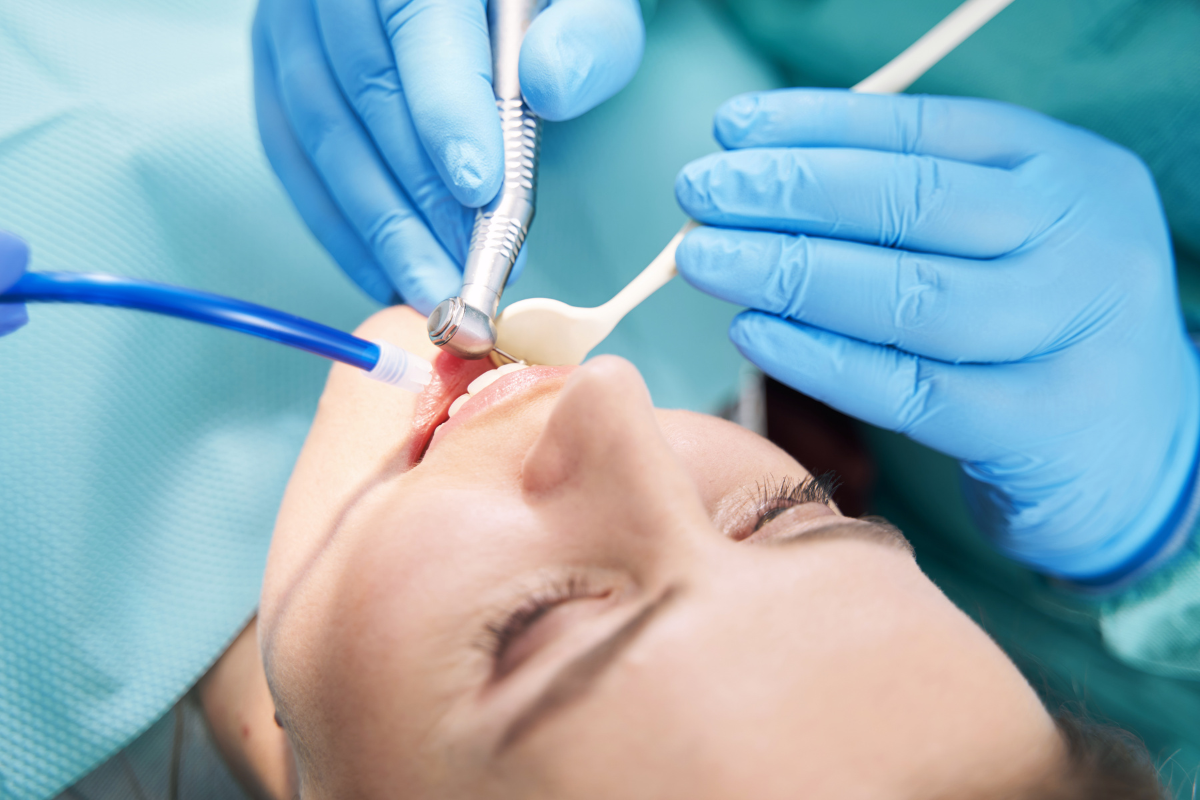
The retreatment session lasts about 90 minutes to two hours. Local anesthesia numbs the area, keeping you comfortable. The endodontist accesses the tooth through the crown, removes prior materials, and examines for hidden canals or cracks.
Cleaning follows with specialized instruments. Medication may be placed inside if infection is severe. A temporary filling protects the tooth until the next visit.
Most people feel minimal discomfort during the procedure. Modern techniques make it efficient and gentle.
Immediate Aftereffects and Initial Recovery
Right after retreatment, numbness from anesthesia lingers for a few hours. Mild soreness around the tooth is common as the area adjusts.
Swelling might occur but subsides quickly. Over-the-counter pain relievers like ibuprofen help manage any tenderness. Avoid chewing on the treated side for the first day.
Rest is key in these early hours. Many return to work the next day, but listen to your body.
Short-Term Healing Phase
In the days following, discomfort typically peaks within 48 hours then eases. Bruise-like sensitivity when biting is normal and fades by day five.
Keep up with oral hygiene. Gentle brushing and flossing prevent irritation. Rinse with saltwater for soothing relief.
Watch for unusual signs like severe pain or fever. These warrant a quick call to your endodontist.
If you’re dealing with persistent tooth issues, root canal retreatment in Arcadia, CA, could be a viable option to restore comfort and function.
Factors Influencing Recovery Time
Healing varies by individual. Overall health plays a role; those with strong immune systems recover faster.
The tooth’s condition matters too. Severe infections extend the timeline. Smoking delays healing by reducing blood flow.
Age and nutrition impact recovery. Younger patients often heal more quickly. A balanced diet supports tissue repair.
Procedure complexity affects duration. Multi-rooted teeth may need more time.
Long-Term Healing and Full Recovery
Full recovery usually takes one to four weeks. By then, the tooth integrates back into daily use without issues.
Bone and tissue around the root heal gradually. Follow-up x-rays confirm success.
In rare cases, healing stretches to eight weeks. Patience ensures the best outcome.
Maintain habits like regular brushing to support long-term health.
Tips for a Smooth Recovery
Follow post-op instructions closely. Take prescribed meds as directed.
Eat soft foods like yogurt or soup initially. Avoid hot or cold extremes.
Stay hydrated. Water aids healing.
Use an ice pack for swelling. Apply in 15-minute intervals.
Avoid strenuous activity for a couple of days. Rest promotes faster recovery.
If you are searching for an endodontist near you, consider one experienced in endodontics for personalized care.
Potential Complications and When to Seek Help
Most recoveries are straightforward, but watch for red flags. Increasing pain after a few days signals a problem.
Pus or bad taste indicates infection. Loose temporary fillings need prompt attention.
Allergic reactions to meds are rare but possible. Contact your endodontist immediately.
Early intervention prevents escalation. Trust your instincts.
Recovery Timeline Table
Here’s a simple table outlining typical recovery stages based on common experiences:
| Stage | Timeframe | What to Expect |
|---|---|---|
| Immediate Post-Procedure | 0-2 Days | Numbness fades; mild soreness and swelling; use pain relief as needed. |
| Short-Term Recovery | 3-7 Days | Discomfort decreases; resume light activities; monitor for improvements. |
| Full Healing | 1-4 Weeks | Tooth feels normal; complete tissue repair; schedule follow-up. |
| Extended Cases | Up to 8 Weeks | Rare; applies to complex infections; ongoing monitoring required. |
This table draws from general dental stats, where 85% of patients report full comfort within two weeks.
Trending FAQs on Root Canal Retreatment
Many people turn to online searches for quick answers. Here are some frequently asked questions from Google about root canal retreatment, with concise responses:
- Why do I need root canal retreatment? It happens if the initial treatment misses hidden canals, or new decay develops. Retreatment saves the tooth from extraction.
- Is root canal retreatment painful? With anesthesia, the procedure feels similar to a filling. Post-op soreness is mild and manageable.
- What is the success rate of root canal retreatment? It ranges from 75% to 85%, lower than initial treatments but still effective for most.
- How long does root canal retreatment take? Sessions last 90 minutes to two hours, sometimes over multiple visits.
- Can a root canal be redone more than once? Yes, but repeated retreatments are less common. Alternatives like apicoectomy may be considered.
These address top concerns and provide reassurance.
Benefits of Timely Retreatment
Acting quickly on symptoms preserves your smile. Retreatment avoids tooth loss, maintaining bite alignment.
It restores function for eating and speaking. Healthy teeth boost confidence.
Expert care ensures durability. Endodontists specialize in these procedures for better outcomes.
Preparing for Your Appointment
Before retreatment, discuss medical history. Mention allergies or conditions.
Arrive relaxed. Sedation options help if needed.
Plan for rest afterward. Have soft foods ready.
Follow pre-op guidelines, like fasting if sedation is used.
Wrapping Up Your Healing Journey
Recovery from root canal retreatment brings renewed comfort to your daily life. With proper care, your tooth can serve you well for years. Stay proactive about oral health to avoid future issues.
If concerns linger, don’t hesitate to reach out. Schedule an appointment to discuss your options and get back to smiling without worry.
Embracing this process leads to lasting results. Your dedication to healing pays off in a stronger, healthier mouth.