
The Role of Microscopy in Endodontic Treatment

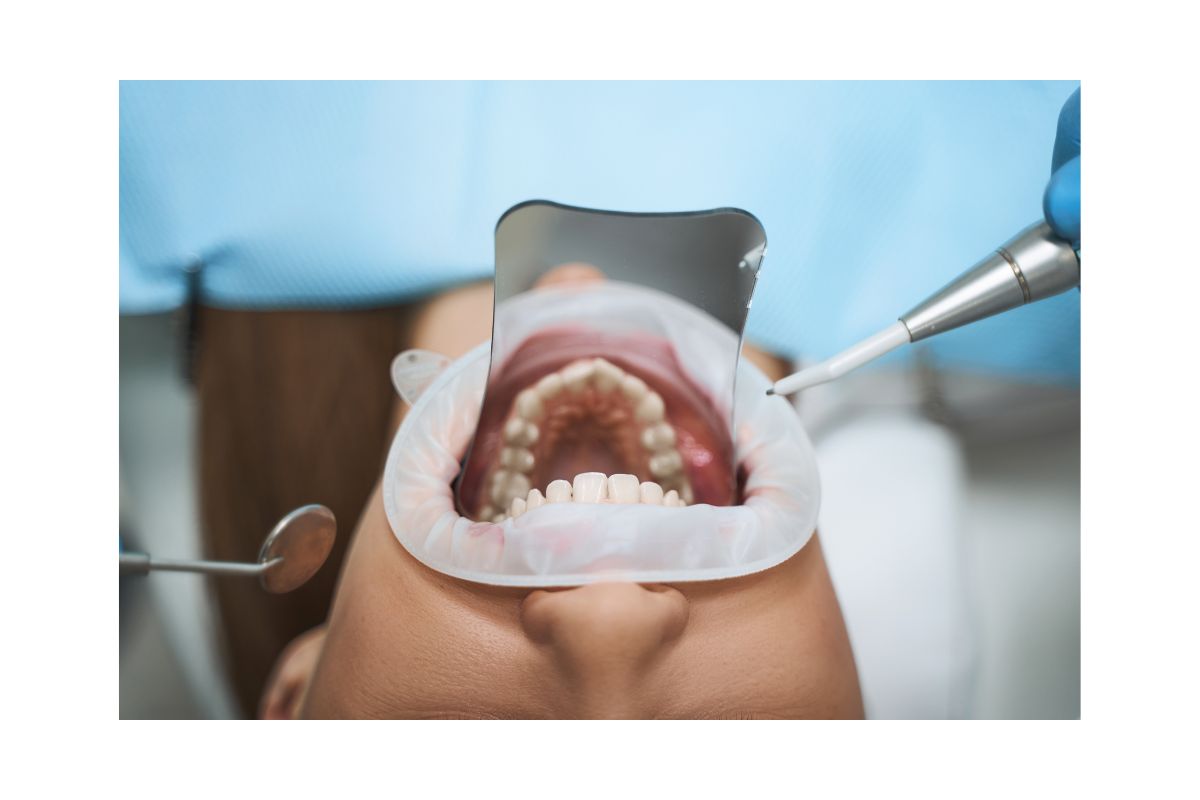
When it comes to saving natural teeth, endodontic treatment is often the go-to solution. But did you know that advancements like dental microscopy have made these procedures even more effective? Whether you’re dealing with persistent tooth pain or a tricky root canal issue, an endodontist equipped with microscopy technology can make all the difference. Let’s explore how this cutting-edge tool is revolutionizing endodontics.
What Is Endodontic Treatment and Microscopy in Dentistry?
Endodontic treatment, commonly known as root canal therapy, focuses on treating problems inside the tooth, particularly the pulp and root canals. When the pulp becomes inflamed or infected due to decay, trauma, or cracks, endodontic treatment removes the damaged tissue, cleans the area, and seals it to prevent further complications.
Microscopy in dentistry uses specialized dental microscopes to provide magnified views of the treatment area. These microscopes enhance visibility, allowing for precise and thorough care. For an endodontist in Arcadia, incorporating microscopy ensures even the smallest details aren’t overlooked, leading to more successful outcomes.
Benefits of Microscopy in Endodontic Treatment
1. Enhanced Precision and Accuracy
Microscopy allows endodontists to visualize tiny details that are impossible to see with the naked eye. This precision is especially important for locating hidden canals, detecting hairline fractures, and thoroughly cleaning the root canals.
2. Better Diagnosis
Dental microscopes help endodontists identify subtle issues that X-rays or traditional visual exams might miss. This ensures that problems are diagnosed accurately, leading to effective and targeted treatment.
3. Improved Patient Outcomes
With the help of microscopy, treatments are performed with exceptional accuracy, minimizing the risk of complications. This results in higher success rates and long-term dental health for patients.
4. Faster and More Comfortable Procedures
Microscopy can streamline the treatment process, reducing the time patients spend in the dental chair. The precision it offers often eliminates the need for multiple visits, making the experience more convenient and comfortable.
How Microscopy Enhances the Endodontic Procedure
1. Locating Hidden Canals
Some teeth have multiple or unusually shaped canals that can be difficult to find. Microscopy ensures these hidden canals are identified and treated, preventing future infections.
2. Retreatment Success
Microscopy is invaluable in retreatment cases where prior procedures failed. It helps endodontists spot issues like missed canals or incomplete cleaning from earlier treatments.
3. Minimally Invasive Techniques
By providing detailed views of the tooth, microscopy allows endodontists to preserve more of the natural tooth structure while effectively treating the problem.
4. Identifying Complex Issues
Complicated cases, such as calcified canals or intricate root anatomy, are more easily managed with the enhanced visibility provided by dental microscopes.
The Future of Endodontics with Microscopy
1. Integration with Digital Imaging
Microscopy is increasingly being combined with advanced digital imaging tools, creating a seamless approach to diagnosing and treating dental issues.
2. Standard of Care
As technology continues to advance, microscopy is becoming a standard in endodontics. Patients can expect more predictable and successful outcomes when treated by an endodontist using this technology.
3. Patient-Centered Care
Microscopy supports minimally invasive techniques, preserving as much of the tooth structure as possible and enhancing the overall patient experience.Microscopy has transformed endodontic treatment, providing a level of precision and care that was once unimaginable. If you’re facing a root canal or need advanced care, finding a local endodontist near you who uses microscopy can ensure the best possible results and a comfortable experience.