How Do Dental Implants Protect Adjacent Teeth?

Tooth loss doesn’t just affect the gap you can see—it can also impact the surrounding teeth and overall oral health. Many people assume replacing a missing tooth is only about appearance, but it actually plays a critical role in protecting nearby teeth and maintaining long-term function. Dental implants are widely recognized for their ability to restore smiles, but their deeper benefit lies in preserving the integrity of your entire mouth.
Understanding the Role of Adjacent Teeth
What Happens After Tooth Loss?
When a tooth is lost, the surrounding teeth begin to shift toward the empty space. This movement can cause misalignment, uneven bite pressure, and difficulty chewing. Over time, these changes may lead to additional wear, cracks, or even further tooth loss.
Why Adjacent Teeth Need Support
Teeth rely on each other for balance. Each tooth helps distribute bite forces evenly across the jaw. When one is missing, nearby teeth take on extra stress, which can weaken them over time. Protecting adjacent teeth means maintaining proper spacing, alignment, and support.
How Dental Implants Prevent Tooth Shifting
Stable Tooth Replacement
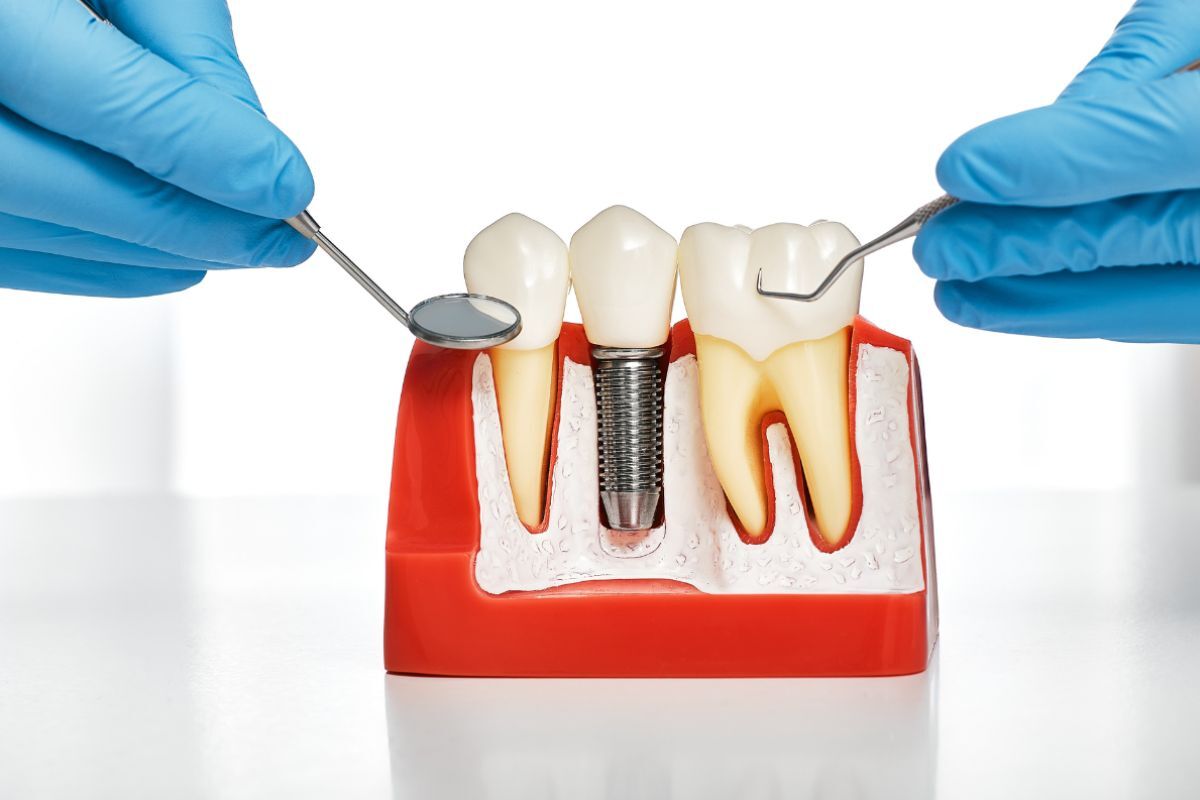
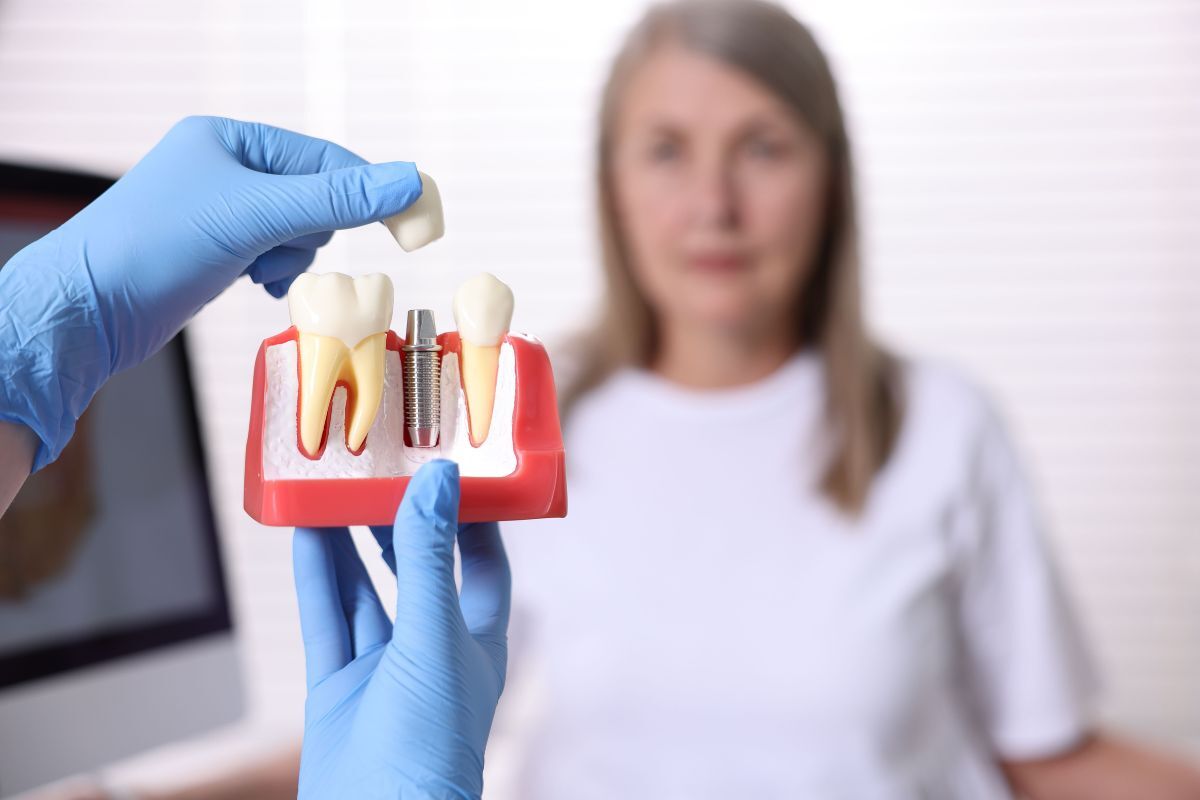
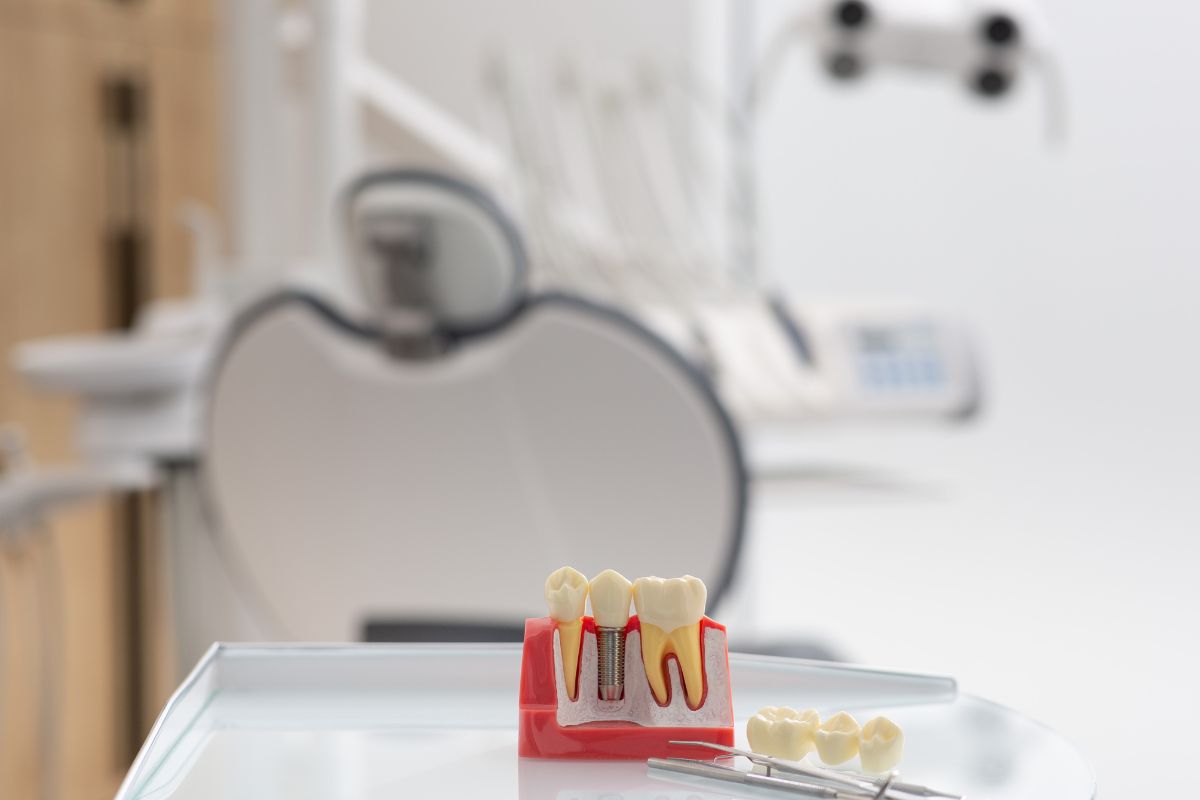
Dental implants act as artificial tooth roots, securely anchored into the jawbone. Unlike removable options, they remain fixed in place. This stability ensures that neighboring teeth do not drift into the empty space.
Preserving Natural Alignment
By filling the gap with a permanent solution, implants help maintain the natural positioning of surrounding teeth. This prevents crowding or tilting, which can otherwise lead to bite issues and discomfort.
Protecting Jawbone and Gum Health
Preventing Bone Loss
One of the most significant benefits of implants is their ability to stimulate the jawbone. When a tooth is missing, the bone in that area begins to shrink due to lack of stimulation. This bone loss can weaken the support for adjacent teeth.
A well-placed implant helps maintain bone density, ensuring that nearby teeth remain stable and properly supported.
Supporting Healthy Gums
Gaps in the smile can trap food particles and bacteria, increasing the risk of gum disease. Implants close these spaces, making it easier to maintain oral hygiene and protect the gums around neighboring teeth.
Reducing Stress on Nearby Teeth
Even Distribution of Bite Force
When a tooth is missing, adjacent teeth often bear extra pressure during chewing. This uneven force can lead to enamel wear or fractures. Dental implants restore balance by absorbing and distributing bite forces evenly across the jaw.
Avoiding Damage from Traditional Alternatives
Unlike dental bridges, implants do not require grinding down adjacent teeth for support. This means your natural teeth remain intact and healthy, reducing the risk of long-term damage.
In fact, many patients exploring options like dental implants in Arcadia appreciate how this approach preserves their natural tooth structure while improving overall oral stability.
Long-Term Stability and Oral Health
Preventing Chain Reactions
A single missing tooth can trigger a domino effect, leading to further dental issues. By replacing it with an implant, you stop this progression early and protect the rest of your smile.
Supporting Overall Function
With improved alignment and stability, daily activities like chewing and speaking become easier and more comfortable. This contributes to better oral health and confidence over time.
Healing and Adjustment Period
Every patient’s healing journey is unique, but understanding the process helps set realistic expectations. The healing period after implant placement typically involves several stages, including initial healing and gradual integration with the jawbone. During this time, following proper care instructions is essential to ensure successful results and long-term protection for adjacent teeth.
When to Consider Dental Implants
If you have one or more missing teeth, it’s important to explore solutions that not only restore appearance but also protect your oral health. Consulting experienced professionals, including Arcadia periodontists, can help determine whether implants are the right choice based on your specific needs.
Later in your decision-making process, you might find yourself thinking, If you are searching for a periodontist near Arcadia, it’s important to choose someone who focuses on long-term oral health and personalized care.
Information Table: Benefits of Dental Implants for Adjacent Teeth
| Benefit | How It Helps Nearby Teeth |
|---|---|
| Prevents shifting | Maintains proper alignment |
| Preserves jawbone | Keeps surrounding teeth stable |
| No alteration of adjacent teeth | Protects natural tooth structure |
| Even bite distribution | Reduces stress and wear |
| Improved hygiene | Lowers risk of gum disease |
Trending FAQs
- Do dental implants affect neighboring teeth?
No, implants protect neighboring teeth by preventing shifting and maintaining alignment. - Can implants stop teeth from moving?
Yes, they fill gaps and keep surrounding teeth in place. - Do dental implants prevent bone loss?
Yes, they stimulate the jawbone and help maintain bone density. - Are implants better for adjacent teeth than bridges?
Yes, because they do not require altering nearby teeth. - How long do dental implants last?
With proper care, they can last many years and support long-term oral health.
Replacing a missing tooth is about more than restoring your smile—it’s about protecting the health and function of your entire mouth. Dental implants offer a reliable way to maintain alignment, preserve bone, and reduce stress on surrounding teeth. By choosing the right treatment at the right time, you can prevent future complications and enjoy a healthier, more stable smile for years to come.