What Causes Dental Implants to Become Loose?

Dental implants give people a strong, natural-looking solution for missing teeth. Most last for decades without issues. Still, a small number start to feel wobbly over time. Spotting the issues early can save your smile and help you avoid bigger problems later.
Recognizing the Early Warning Signs
A loose implant rarely happens overnight. You might notice slight movement when you bite or chew. The area could feel tender or look a bit red. Some patients report a change in how their bite fits together. These clues matter. Quick action often stops minor looseness from turning into full failure.
The Main Culprits Behind Loose Implants
Several factors can affect stability. The good news is that many are preventable with proper care.
Mechanical Issues
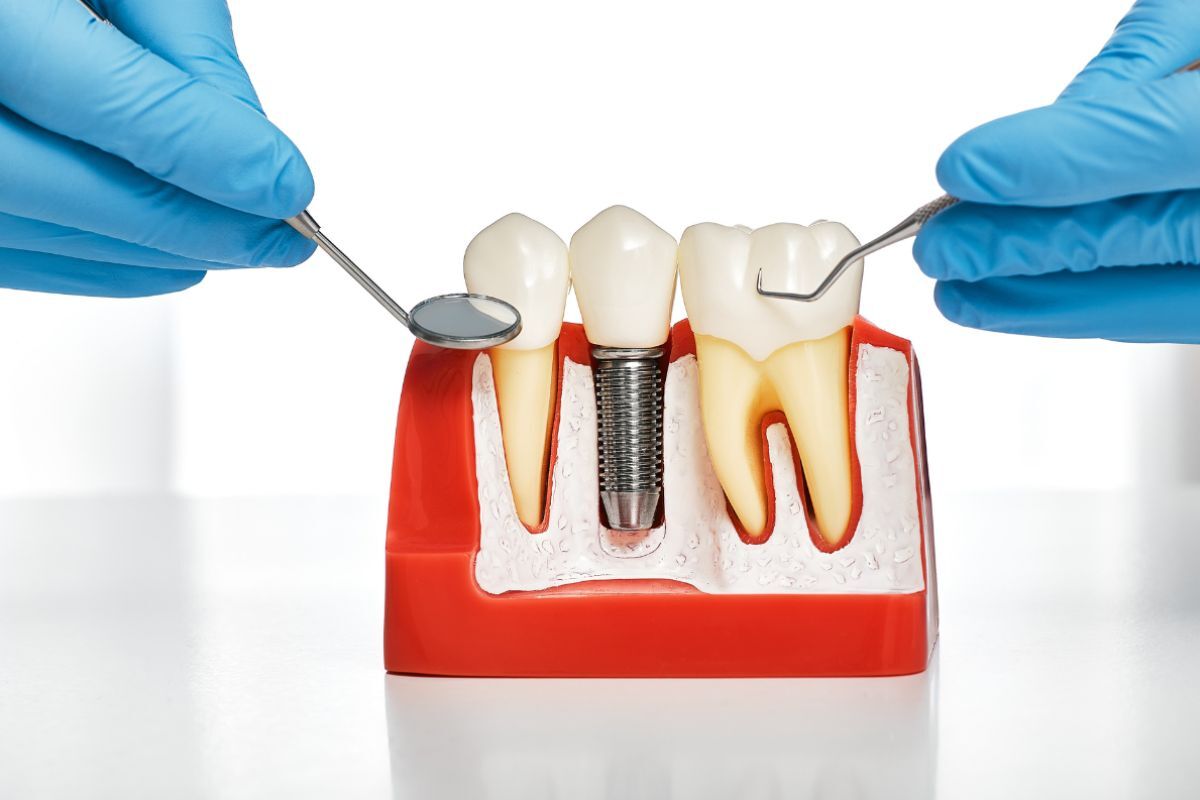
The crown or abutment—the piece that connects the visible tooth to the implant post—sometimes loosens first. Daily wear, hard foods, or teeth grinding can cause this. The actual implant post stays solid, but the top part shifts. A simple tightening usually fixes it.
Bruxism adds extra pressure. Nighttime clenching or grinding stresses the bone connection. Over time, that force weakens support and creates movement.
Biological Factors
Peri-implantitis tops the list of serious causes. This infection attacks the gums and bone around the implant, much like gum disease affects natural teeth. Poor oral hygiene lets bacteria build up. Swelling, bleeding, and bone loss follow. Without treatment, the implant loses its anchor.
Failed osseointegration occurs when the titanium post fails to fully bond with the jawbone. Smoking, uncontrolled diabetes, or thin bone at placement raise the risk. Early healing months prove critical here.
Trauma or sudden impact can also shift things. A sports injury or a hard fall disrupts the bond even years later.
Lifestyle and Health Connections
Smoking cuts blood flow and slows healing. It doubles the chance of complications. Certain medications or health conditions can also slow bone growth. These factors quietly undermine long-term success.
Patients receiving dental implants in Arcadia, CA, often learn these details during the planning process. Local specialists stress the same key points: strong bone, healthy gums, and steady habits make all the difference.
Prevention Steps That Actually Work
Daily brushing and flossing around the implant keeps bacteria away. Use tools made for implants—soft brushes, water flossers, and special threads. See your dentist every six months for professional cleanings and checks.
Wear a night guard if you grind your teeth. Quit smoking to boost healing power. Eat a balanced diet rich in calcium and vitamin D to support bone strength. These small habits add up to big protection.
Trending FAQs
Here are answers to the questions patients ask most often online:
- How common is dental implant failure? Failure rates stay low—between 3% and 10% over ten years. Most implants succeed at 90–97%.
- Can a loose dental implant be saved? Yes, in many cases. If only the crown or abutment moves, tightening or replacement works fast. Early peri-implantitis responds well to cleaning and antibiotics.
- What are the first signs my implant is failing? Minor movement, pain when chewing, gum swelling, or a bad taste. Do not wait—call right away.
- Is it normal for an implant to feel loose right after surgery? Slight wiggle during the first weeks is common while osseointegration occurs. True looseness after healing signals a problem.
- Does grinding teeth ruin implants? It can. Constant force weakens the bone link. A custom night guard helps protect them.
- How long do dental implants usually last? With good care, 15–25 years or longer. Many patients enjoy them for life.
Common Causes at a Glance
| Cause | Why It Happens | Simple Prevention Tip |
|---|---|---|
| Loose abutment/crown | Wear or bite force | Regular dental checks |
| Peri-implantitis | Infection from plaque | Daily implant-friendly cleaning |
| Failed osseointegration | Poor bone healing | Follow post-surgery instructions |
| Bruxism | Night grinding | Use a night guard |
| Smoking | Reduced blood flow | Quit for better healing |
Protecting Your Investment Long-Term
Your implants deserve the same attention you give natural teeth. Consistent habits and quick response to changes keep them steady for years. Just as you seek reliable care, choose experienced professionals for implant monitoring too.
If you are searching for an implant dentist near you, focus on offices that emphasize prevention and early intervention. Small steps today prevent big issues tomorrow.
Understanding these causes empowers you to act wisely. Stay proactive, keep up with cleanings, and enjoy the confidence your implants bring. Reach out today to schedule an appointment.