How Do Implants Prevent Jawbone Deterioration Over Time?

Losing a tooth can feel like a small setback at first. Yet, it often leads to bigger issues beneath the surface. Many people overlook how this affects overall oral health. Over the years, the jaw can weaken without proper support. This process happens quietly but impacts daily life. Dental implants stand out as a smart solution. They not only replace missing teeth but also protect the foundation of your smile. Let’s explore how they work to keep your jaw strong and healthy.
Understanding Jawbone Deterioration
Jawbone loss starts soon after a tooth goes missing. Natural teeth roots stimulate the bone through chewing. This keeps it dense and strong. Without that pressure, the body sees no need for the bone. It begins to resorb or break down. Studies show this can happen fast.
Bone resorption changes facial structure. Cheeks may sink in. Lips can appear thinner. Speech and eating become harder. Gum disease speeds this up. It attacks supporting tissues. Trauma or poor habits add to the risk. Over time, untreated loss makes other treatments tougher.
A key factor is lack of stimulation. The jaw needs ongoing activity to stay vital. Missing teeth create gaps. Nearby teeth shift. This worsens the cycle. Early action helps stop further decline.
| Time After Tooth Loss | Bone Loss Percentage | Type of Loss |
|---|---|---|
| First Year | Up to 25% | Width |
| 3 Months | 32% | Horizontal |
| 6-7 Months | 29-63% | Horizontal |
| 6 Months | 11-22% | Vertical |
These stats highlight the rapid pace. Human studies confirm horizontal loss outpaces vertical. Addressing it promptly preserves options.
The Science Behind Bone Loss Prevention
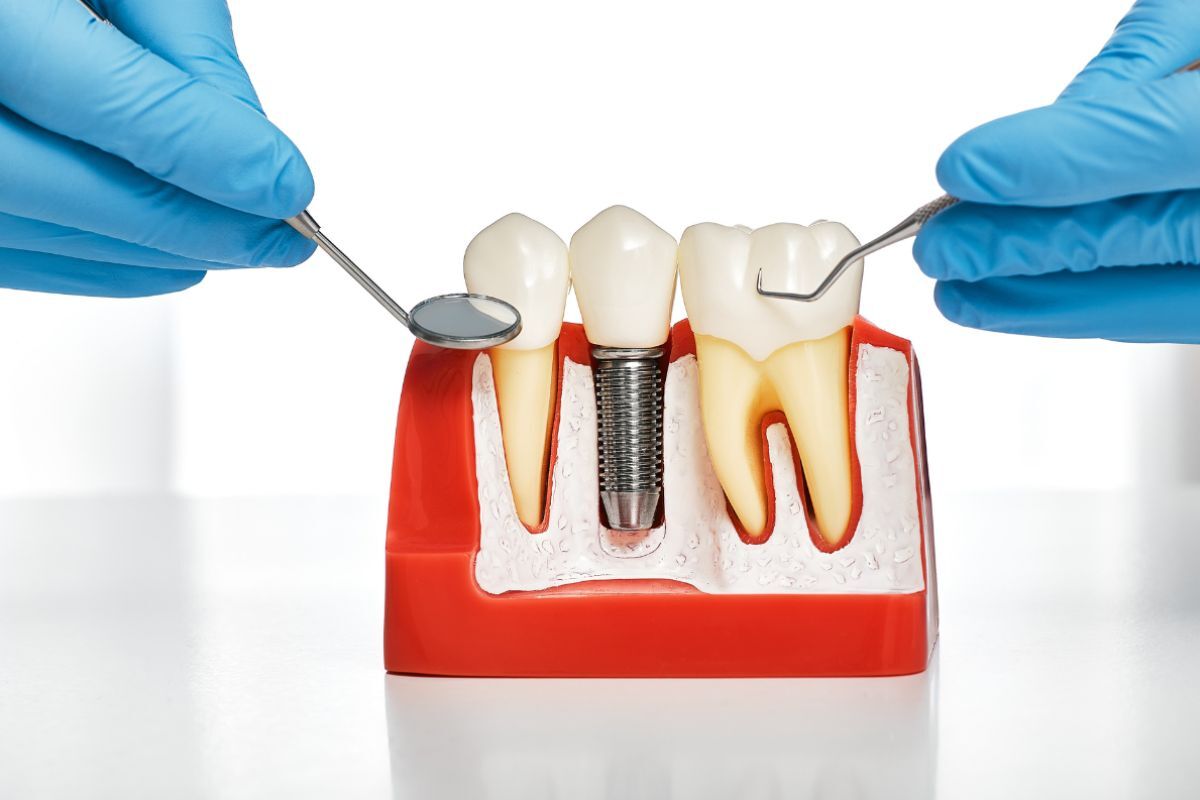
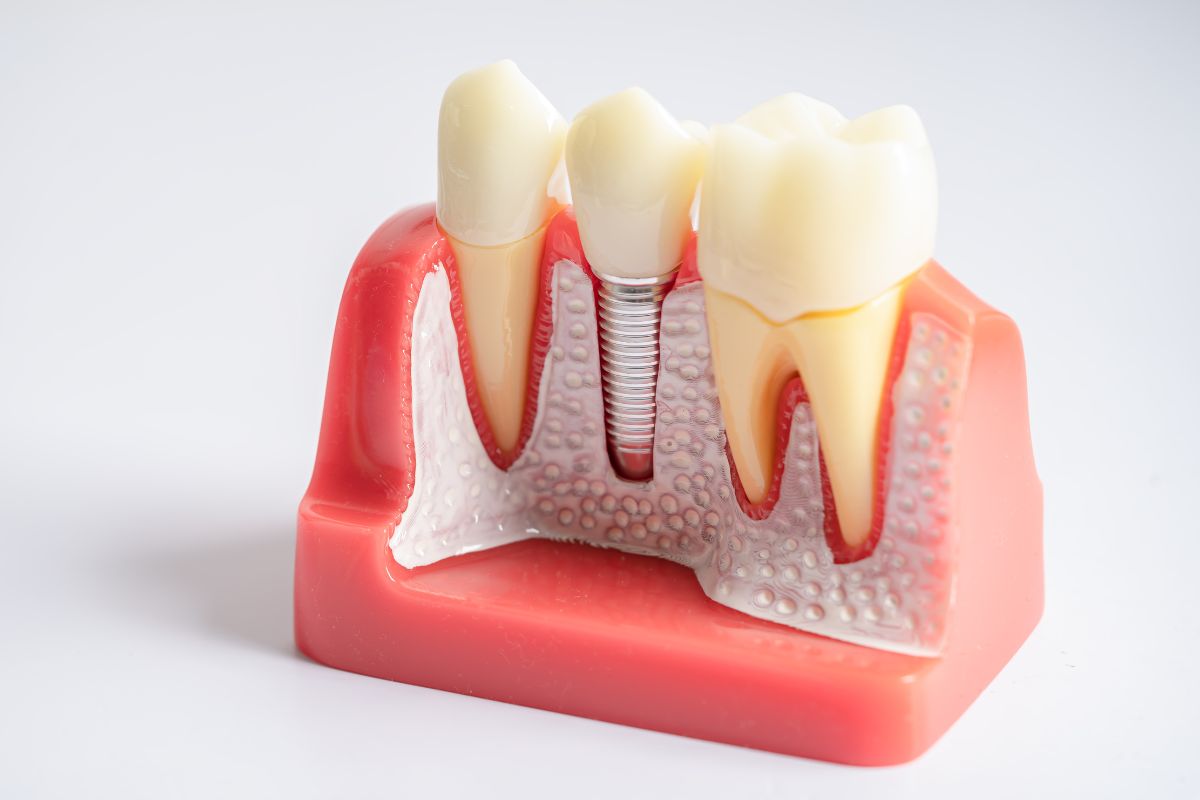
Dental implants mimic natural tooth roots. Made from titanium, they fuse with the jaw. This bond provides steady stimulation. Chewing forces transfer to the bone. It responds by staying dense.
Unlike bridges or dentures, implants integrate fully. They don’t sit on top. This direct link halts resorption. Research shows areas with implants keep stable bone levels for over a decade. Adjacent spots without teeth lose volume.
Osseointegration is the magic here. The implant bonds at a cellular level. Bone grows around it. This creates a solid base. It encourages new growth too. For long-term health, this beats other options.
How Implants Work Step by Step
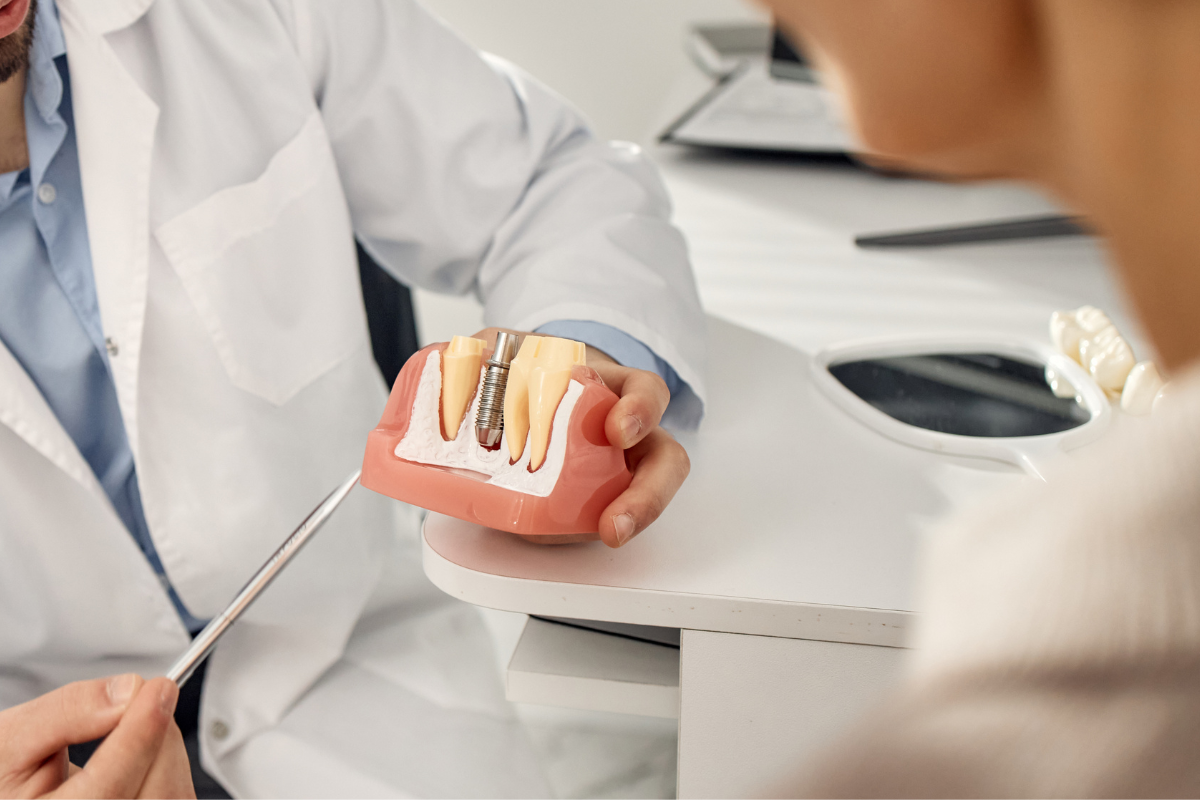
The process begins with assessment. A specialist checks bone quality. If needed, grafting builds it up. This ensures a strong foundation.
Surgery places the implant in the jaw. It’s precise and quick. Healing takes months. During this, fusion happens. The bone accepts the post as its own.
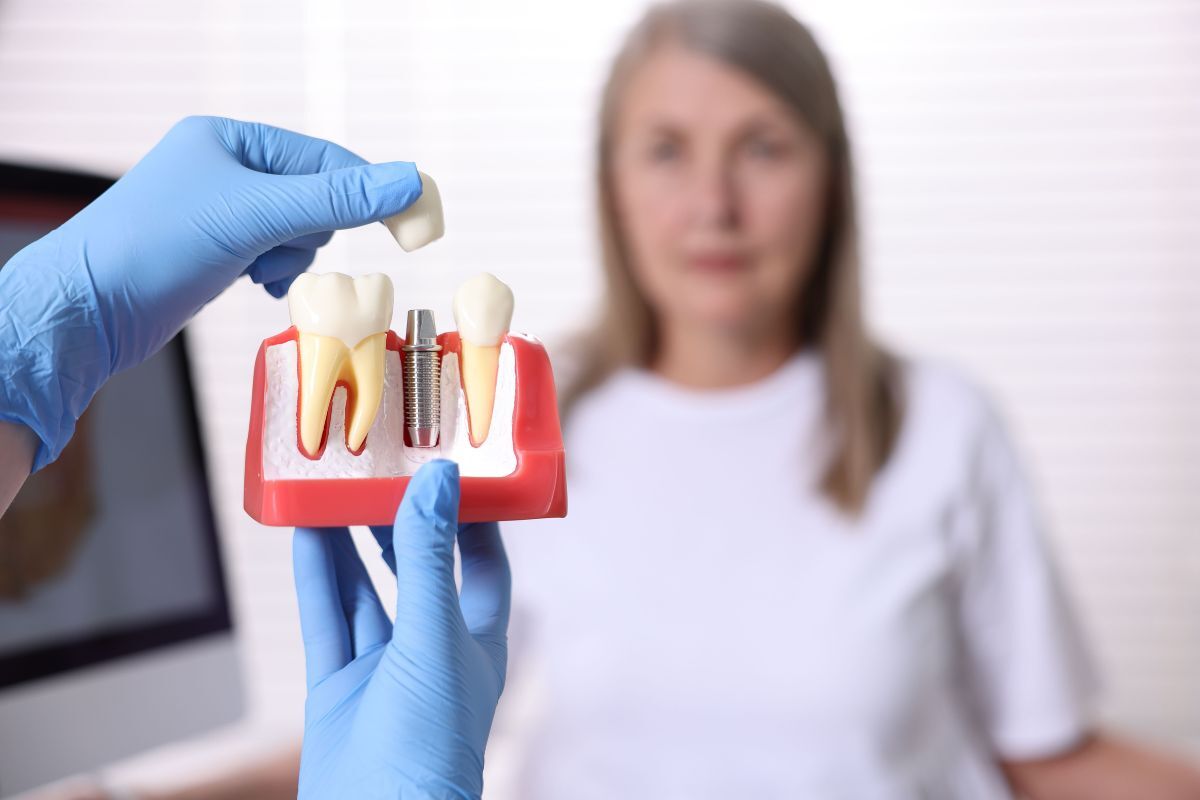
Once secure, a crown attaches. It looks and feels natural. Daily use keeps the jaw active. This prevents shrinking over the years.
Maintenance is simple. Brush and floss like real teeth. Regular check-ups catch issues early. With care, implants last a lifetime.
For those exploring dental implants in Arcadia, CA, this approach offers reliable results. Local experts focus on personalized plans. They address bone health from the start.
Benefits Beyond Bone Health
Implants boost confidence. A full smile improves social interactions. Eating favorites becomes easy again. No slipping like with dentures.
They support nearby teeth. Gaps cause shifting. Implants fill them. This maintains alignment. Overall oral function stays optimal.
Facial appearance improves. Preserved bone keeps contours youthful. Sunken looks fade. It’s a holistic win for well-being.
Addressing Common Concerns
Many worry about pain. Modern techniques minimize discomfort. Sedation options help. Recovery is straightforward for most.
Success rates top 95%. Factors like smoking affect outcomes. Quitting improves chances. Diabetes control matters too.
Age isn’t a barrier. Healthy adults qualify. Bone density is key. Grafting expands possibilities.
Trending FAQs on Implants and Jawbone Health
People often search for answers on this topic. Here are some frequent questions based on common Google queries:
- Do dental implants stop bone resorption? Yes, they do. Implants provide the stimulation natural roots offer. This halts the breakdown process. Studies confirm minimal loss around healthy implants.
- What causes jawbone deterioration after tooth loss? Lack of root stimulation leads to resorption. The body reabsorbs unused bone. Gum disease and trauma accelerate it.
- Can jawbone loss be reversed with implants? Implants prevent further loss and can promote regrowth. Osseointegration encourages density increase in some cases.
- How long does it take for jawbone to deteriorate? Significant loss starts in the first year. Up to 25% width can vanish. It continues gradually without intervention.
- Are there signs of early jawbone deterioration? Loose teeth, gum recession, and facial changes signal issues. Denture fit problems also indicate bone shrinkage.
These address top concerns. Consulting a pro gives tailored advice.
Choosing the Right Approach for You
Options vary based on needs. Single implants suit one missing tooth. Multiple support bridges. Full arches restore entire sets.
Bone health assessment comes first. Imaging reveals density. If low, grafting prepares the site. This ensures lasting success.
Lifestyle plays a role. Active chewers benefit most from stimulation. Implants adapt to daily demands.
If you’re looking for a dependable implant specialist in Arcadia, CA, options abound with skilled pros ready to guide you.
Ready to protect your jaw health? Taking that step leads to lasting benefits.
In conclusion, dental implants offer a proven way to safeguard your jaw from deterioration. They restore function and preserve structure. Don’t wait for issues to worsen. Schedule an appointment today to explore your path forward.