A Day-by-Day Guide to Healing After Your Implant Procedure

Imagine waking up with a renewed sense of confidence, ready to flash a complete smile after your procedure. Recovery might seem daunting at first, but with the right steps, it becomes a smooth journey. This guide walks you through each day, offering practical tips to ease discomfort and speed up healing. You’ll learn what to expect, how to care for your mouth, and ways to avoid common pitfalls. Let’s dive in and make your path to a stronger smile straightforward and stress-free.
Understanding the Implant Healing Process
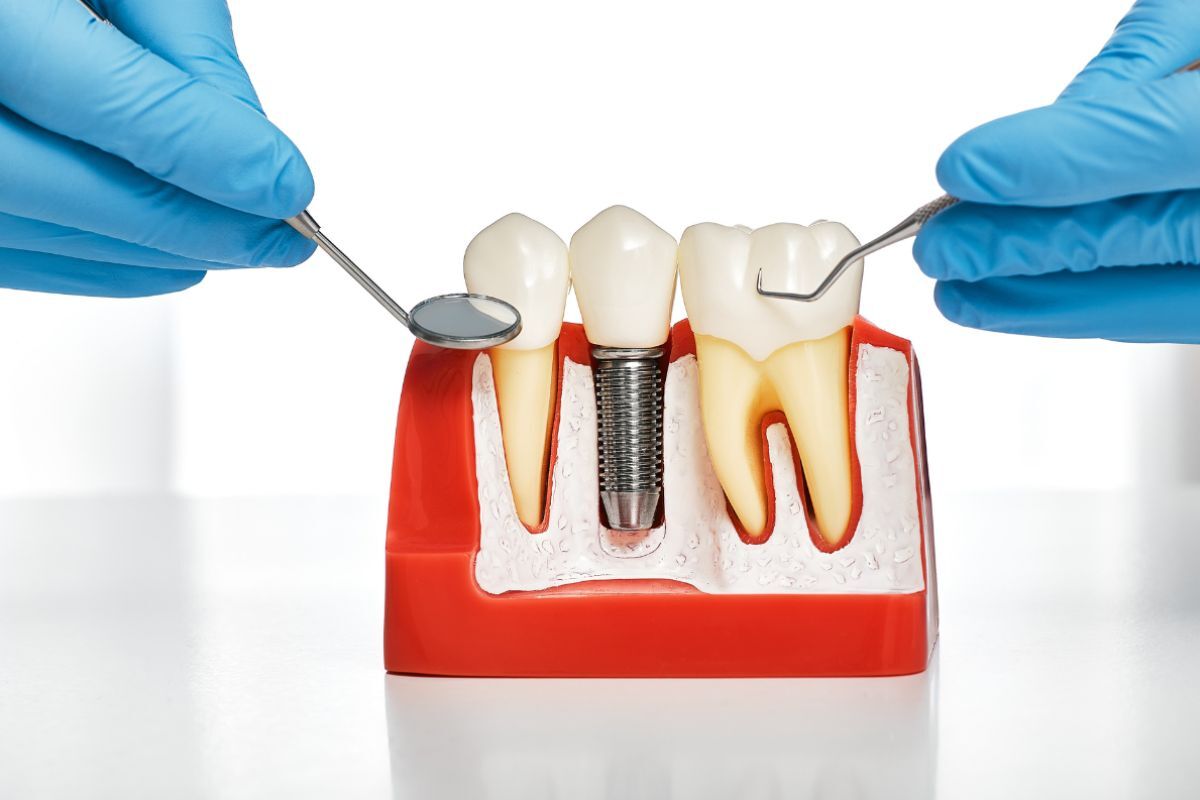
Healing after an implant starts right after surgery. Your body begins fusing the post with your jawbone in a process called osseointegration. This bond creates a stable base for your new tooth. Expect some swelling and minor bleeding at first. These signs show your body is responding normally. Rest plays a key role here. Avoid heavy lifting or strenuous activity to let your mouth recover without added strain.
Factors like overall health impact how quickly you heal. Smokers often face slower recovery due to reduced blood flow. Diabetes can also slow things down if not managed well. Always follow your dentist’s advice on medications and check-ups. Regular visits ensure everything stays on track. With good habits, most people see full integration in three to six months.
Day 1: The First 24 Hours of Recovery
Focus on rest right after surgery. Apply ice packs for 20 minutes on, then off, to reduce swelling. Eat soft foods like yogurt or smoothies. Avoid hot drinks that could irritate the site. Rinse gently with saltwater if advised, but don’t spit forcefully. Take prescribed pain relievers as directed. Bleeding might occur—bite on gauze to control it. Stay hydrated, but skip straws to prevent dislodging clots.
Watch for unusual symptoms like heavy bleeding. If it persists, contact your dentist promptly. Sleep with your head elevated to minimize swelling overnight. This day sets the tone for smooth healing ahead.
Days 2-3: Managing Initial Discomfort
Swelling often peaks around now. Continue icing and elevate your head when resting. Pain should start easing, but use meds if needed. Stick to a soft diet—think mashed potatoes or soups. Brush gently around the area, avoiding direct contact. Floss carefully too. These steps keep infection at bay.
Resume light activities, but nothing intense. Walks can help circulation without overdoing it. If bruising appears, it’s normal and fades soon. Hydration remains key. These early days build momentum for faster recovery.
For those getting dental implants in Arcadia, CA, local experts emphasize personalized aftercare plans. They use advanced imaging to monitor progress, ensuring your healing aligns with expectations.
Days 4-7: Building Momentum in Healing
Discomfort usually drops by now. You might feel more like yourself. Introduce softer solids, like pasta or eggs. Avoid crunchy or sticky foods that could harm the site. Continue gentle oral hygiene. Use a soft-bristle brush to clean without pressure.
Check the area daily for changes. Redness should lessen. If stitches are present, they might dissolve or need removal soon. Light exercise is okay, but listen to your body. Good nutrition supports bone growth—include proteins and vitamins in meals.
Weeks 2-4: Progressing Toward Stability
Your gums start closing around the post. Swelling is mostly gone. Eat a wider variety of foods, but chew on the opposite side. Osseointegration ramps up, strengthening the bond. Avoid tobacco products entirely—they hinder this vital phase.
Attend follow-up appointments. These check for proper integration. If you notice looseness or pain, report it right away. Daily routines return to normal, with mindful care.
During this time, be aware of habits that stress your mouth. Bruxism and dental implants can pose challenges if grinding wears down the restoration over time. Simple night guards often help protect your investment.
Months 1-3: Achieving Full Integration
The post fully bonds with bone in this period. You can eat most foods comfortably. Maintain excellent oral hygiene to support long-term success. Floss daily and use antimicrobial rinses if recommended.
Routine check-ups confirm everything is secure. Your dentist might place the abutment now, preparing for the final crown. This stage feels rewarding as your smile takes shape.
| Healing Stage | Timeline | Key Stats on Success |
|---|---|---|
| Immediate Post-Surgery | Days 1-3 | 99% of patients experience minimal complications with proper rest |
| Early Osseointegration | Weeks 1-4 | Over 95% integration rate in healthy individuals |
| Full Bone Fusion | Months 1-6 | Overall success rate exceeds 97% at 10 years |
| Long-Term Maintenance | Ongoing | 75% survival at 20 years with good care |
These stats highlight why following guidelines leads to strong outcomes.
Trending FAQs on Implant Healing
Many people turn to online searches for quick answers on recovery. Based on common queries from Google, here are some trending FAQs with straightforward responses:
- How long does it take to fully heal from dental implant surgery? Full healing, including osseointegration, typically takes 3-6 months, though initial recovery happens in 1-2 weeks.
- What should I avoid eating after dental implant surgery? Skip hard, crunchy, or sticky foods for the first few weeks to protect the site.
- Is swelling normal after dental implants? Yes, swelling peaks in 2-3 days and subsides with ice and elevation.
- Can I brush my teeth after implant surgery? Brush gently starting the day after, avoiding the surgical area directly.
- What are signs of infection after dental implants? Watch for increasing pain, fever, or pus—contact your dentist immediately if these occur.
- How soon can I return to work after dental implants? Most return in 1-3 days, depending on the job’s physical demands.
These address top concerns and help set realistic expectations.
Long-Term Care for Lasting Results
Once healed, treat your implant like a natural tooth. Brush twice daily and floss. Schedule cleanings every six months. Protect against habits that could compromise it. Night guards help if grinding is an issue. Healthy gums support the structure, so monitor for inflammation.
If you are searching for an implant dentist in Arcadia, CA, consider one with a focus on advanced techniques and patient comfort—they can tailor advice to your needs.
Healing from an implant procedure transforms your daily life, bringing back function and aesthetics. Embrace the process with patience and care. It leads to a durable, natural-looking smile that lasts. Ready to start? Call (626)-445-8530 today to schedule an appointment and take the next step.