How Do I Know If My Root Canal Has Failed?

Root canals bring welcome relief for countless patients. Yet discomfort can return weeks or even years later. Catching the warning signs early protects your tooth and prevents serious complications. This guide walks you through the clear indicators and next steps so you feel confident and informed.
Understanding Root Canal Failure Basics
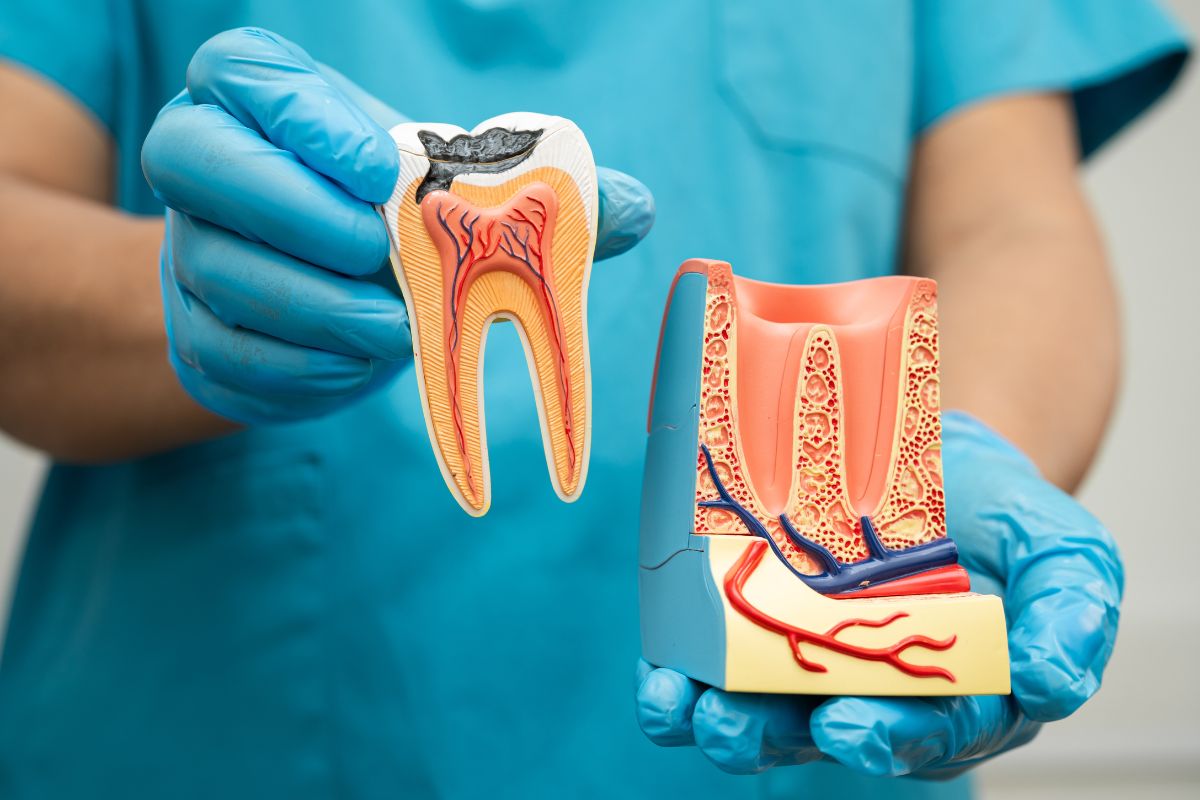
Root canal treatment removes infected pulp and seals the tooth. Success rates stay high overall. Still, bacteria can linger or return. Incomplete cleaning, missed canals, or new cracks often play a role. The good news? Most issues show up through noticeable changes you can track at home.
Key Symptoms That Demand Attention
Pain tops the list. Sharp or dull aches when you bite or chew signal trouble. This discomfort often feels different from normal post-treatment soreness. It may come and go or grow stronger over days.
Swelling follows closely. Tender, puffy gums near the treated tooth point to a returning infection. In some cases, the swelling spreads to your cheek or neck. A small pimple-like bump on the gum, called a sinus tract, drains pus and confirms active infection.
Sensitivity lingers too. Hot or cold drinks trigger sharp reactions long after the procedure. Discoloration appears next. The tooth darkens or turns gray when internal issues build up. A bad taste or odor in your mouth rounds out the clues. These signs rarely fade without help.
Subtle Clues You Might Overlook
Some patients notice looseness in the treated tooth. Others feel facial pressure or mild headaches. Radiographic changes hide without X-rays. Dark spots at the root tip reveal hidden problems. Regular dental checkups catch these early.
Diagnostic Steps Professionals Take
Dentists start with a thorough exam. They tap the tooth and check the gums for tenderness. Digital X-rays show bone loss or incomplete seals. Cone-beam CT scans offer three-dimensional views when needed. These tools confirm whether infection persists or a new fracture exists.
Common Causes Behind the Problem
Missed accessory canals hide bacteria. Poorly fitted restorations allow leaks. Cracks from chewing hard foods create pathways. New decay around the crown invites fresh infection. Understanding these helps you protect your investment.
In cases where infection persists, specialists often recommend root canal retreatment in Arcadia, CA, to address the issue effectively and give the tooth another chance to heal.
Trending FAQs on Root Canal Failure
Patients search for these questions daily. Here are clear answers based on common concerns:
- What does a failed root canal feel like?
It often starts with a return of pain during chewing, along with gum swelling or a small bump. Sensitivity to temperature may linger, too. - How long can a root canal last before it fails?
Most hold for years or decades. Failure can appear months after treatment or much later if new issues arise. - Can a failed root canal heal without treatment?
No. An untreated infection can spread and lead to tooth loss or further complications. - Why do some root canals fail even with expert care? Complex tooth anatomy, hidden cracks, or bacterial resistance cause most cases.
- What happens if you ignore signs of failure?
Infection may spread to the surrounding bone or neighboring teeth, leading to abscesses or the need for extraction.
Root Canal Success Rates at a Glance
| Time Frame | Approximate Success Rate | Key Note |
|---|---|---|
| First 2 years | 90–95% | Highest healing window |
| 10 years | 85–93% | Strong with proper restoration |
| 20+ years | 80–90% | Drops if cracks or decay develop |
These figures come from large clinical studies. Proper follow-up boosts your odds dramatically.
When to Act Quickly
Any returning symptom warrants prompt evaluation. Early intervention often saves the tooth. Delaying lets the infection grow. Track changes and note patterns. Share details with your dentist for faster diagnosis.
Many patients ask what comes next if they are searching for an endodontist near them. A specialist evaluates your X-rays and exam findings. They discuss options tailored to your situation. Modern techniques improve outcomes and comfort.
Protect Your Smile Today
Stay alert to these signals and act without delay. Your natural teeth deserve every chance to thrive. Schedule an appointment with a qualified specialist right away. Peace of mind and a healthy smile await when you address concerns early.