Root Canal vs. Retreatment: How Are the Procedures Different?

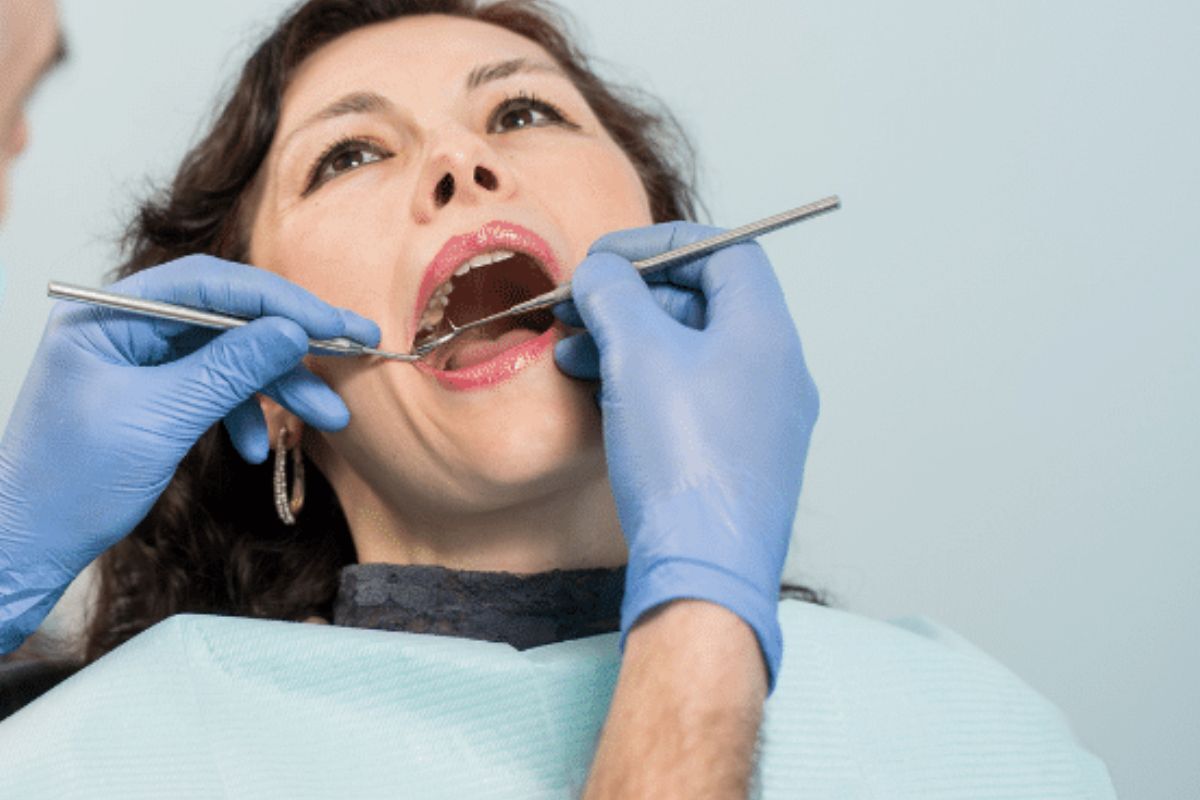
Persistent tooth pain can be unsettling, sparking questions about how to save your smile. Root canal treatment and retreatment are two effective solutions to address infections and preserve your natural tooth. Both procedures tackle issues deep within the tooth, but they serve distinct purposes. This blog explores their differences, helping you understand what each involves and when they’re needed. With clear insights, you’ll feel more confident navigating these dental options.
What Happens During a Root Canal?
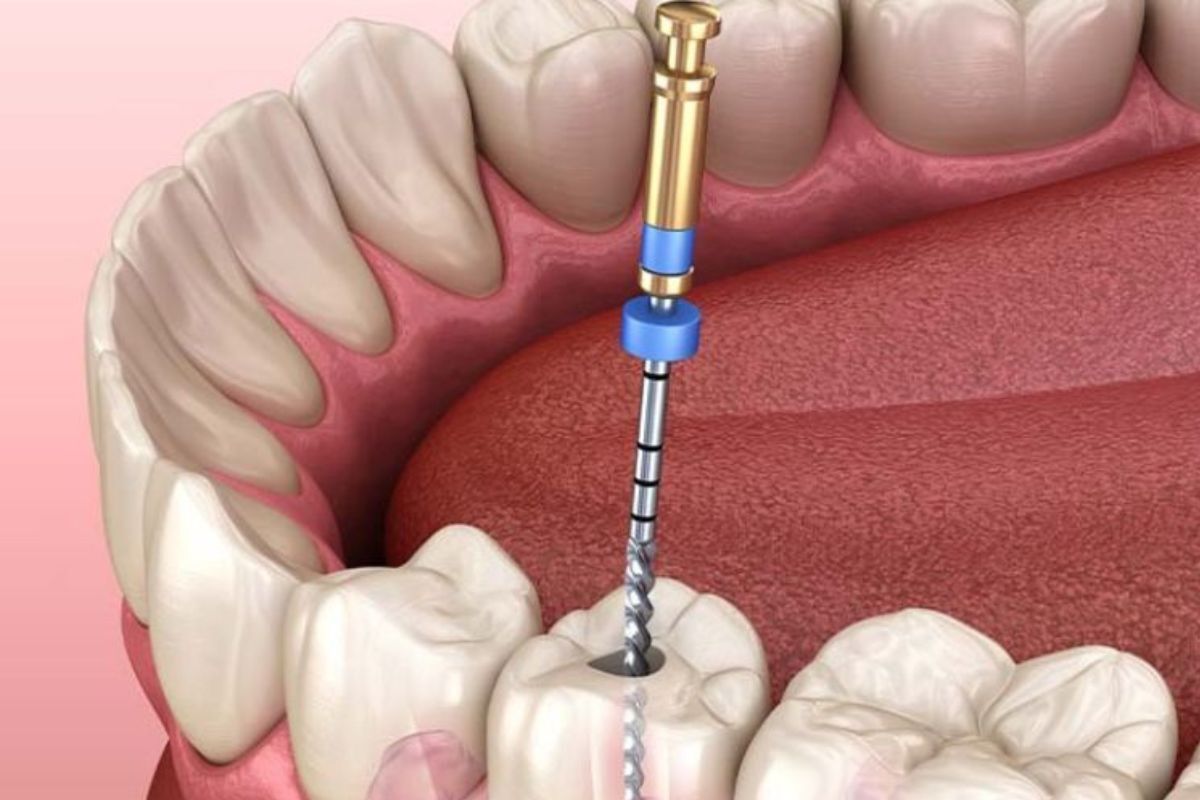
Root canal treatment addresses an infection in the tooth’s pulp, the soft tissue containing nerves and blood vessels. When decay or injury causes infection, pain often follows. The process begins with local anesthesia to ensure comfort. The endodontist creates a small opening in the tooth’s crown to access the pulp. Using specialized tools, they remove the infected tissue and clean the inner canals. These canals are then shaped and filled with a biocompatible material, typically gutta-percha, to seal them against bacteria. A temporary filling closes the opening, and a crown is later placed to protect the tooth. This approach saves the tooth, restores its function, and often relieves pain quickly. Advanced technology, like digital x-rays and microscopes, enhances precision during the procedure.
What is Root Canal Retreatment?
Sometimes, a previous root canal doesn’t fully resolve the issue, leading to retreatment. This procedure targets problems like persistent pain or new infections. The endodontist reopens the tooth to remove the old filling material. They carefully clean the canals again, searching for hidden issues like missed canals or cracks. After thorough cleaning, the canals are refilled and sealed to prevent further infection. A temporary filling is placed, followed by a permanent restoration, such as a crown. Retreatment aims to revive the tooth’s health, addressing complications to avoid extraction. Root canal treatment specialists or endodontists in Arcadia, CA, use advanced techniques to ensure effective outcomes.
Key Differences Between Root Canal and Retreatment
While both procedures aim to save the tooth, they differ in purpose and approach. The table below outlines the key distinctions:
| Aspect | Initial Root Canal | Retreatment |
|---|---|---|
| Purpose | Treats fresh infection in the tooth’s pulp | Fixes issues from a previous root canal |
| Procedure | Removes pulp, cleans, and seals canals | Reopens tooth, removes old material, re-cleans |
| Complexity | Typically straightforward, 1-2 visits | Often more complex, may require additional visits |
| Focus | Addresses initial infection | Targets persistent or new issues |
| Tools Used | Files, irrigants, microscopes | Similar tools, with extra care for old materials |
These differences highlight why each procedure is chosen based on the tooth’s condition.
When is Retreatment Necessary?
Retreatment becomes necessary when a root canal doesn’t heal as expected. Symptoms like ongoing pain, swelling, or sensitivity may appear months or years later. New infections can develop if bacteria re-enter through cracks or a loose crown. X-rays help endodontists identify issues like untreated canals or fractures. Early detection is key to saving the tooth. Regular dental visits can catch problems before they worsen, ensuring timely intervention.
Why Might a Root Canal Fail?
Certain factors increase the likelihood of needing retreatment. 5 factors leading to root canal retreatment include undetected narrow canals, new decay exposing the filling, fractured crowns allowing bacteria, salivary contamination from poor seals, and delays in placing a permanent restoration. Addressing these issues promptly through check-ups can prevent complications and maintain tooth health.
Success Rates and Outcomes
Both procedures boast high success rates, preserving teeth for years. Studies show initial root canals succeed in about 86% of cases, while retreatments achieve around 78% success. Surgical options, if needed, have a lower success rate of approximately 63%. These stats vary based on factors like tooth location and patient health. The table below summarizes these outcomes:
| Procedure | Success Rate (%) |
|---|---|
| Initial Root Canal | 86 |
| Retreatment | 78 |
| Surgical Option | 63 |
These figures demonstrate the reliability of both treatments when performed by skilled endodontists.
Trending FAQs on Root Canal and Retreatment
Patients often have questions about these procedures. Here are answers to common Google searches:
- What is root canal retreatment? It’s a procedure to fix a previous root canal by reopening the tooth, removing old materials, and re-cleaning and sealing the canals to address lingering issues.
- Why might I need retreatment? Persistent pain or new infections from missed canals, cracks, or decay may require retreatment to save the tooth without extraction.
- Is retreatment painful? With modern anesthesia, retreatment feels similar to the initial procedure, with minimal discomfort that subsides quickly.
- What happens during retreatment? The tooth is reopened, old fillings are removed, canals are cleaned and refilled, and a new restoration is placed.
- How successful is retreatment? Retreatment has a success rate of about 78%, offering a reliable way to preserve the tooth in most cases.
These answers address top concerns, helping you feel informed and prepared.
Choosing the Right Path for Your Smile
Deciding between a root canal and retreatment depends on your tooth’s condition. An endodontist’s evaluation, often using x-rays, guides the choice. Both options prioritize saving your natural tooth, maintaining your bite and appearance. Staying proactive with dental care prevents complications. Advances in endodontic techniques make these procedures more effective than ever. Don’t ignore tooth pain—seek expert advice to restore your comfort.
If you’re dealing with tooth pain or considering your options, help is nearby. If you are searching for an “endodontist near Arcadia,” contact a specialist today. Call (626)-445-8530 to schedule an appointment and take the first step toward a healthier smile.