Apicoectomy vs. Retreatment: Which Endodontic Path Is Right for You?

When a root canal treatment does not fully resolve the issue, many patients face a tough decision. Persistent discomfort or signs of infection can return, leaving you wondering about the next step. Both retreatment and apicoectomy aim to save your natural tooth, but they take different approaches. Understanding these options helps you feel confident about your care.
What Is Root Canal Retreatment?
Root canal retreatment is a non-surgical procedure. It involves reopening the tooth to remove old filling material, clean the canals thoroughly, and reseal them. This option works well when the original treatment left behind missed canals, had leakage around the restoration, or allowed new bacteria to enter.
The process follows similar steps to the first root canal but often uses advanced tools for better precision. Many patients prefer this because it avoids surgery. Recovery is usually straightforward with mild discomfort that fades within a few days.
What Is an Apicoectomy?
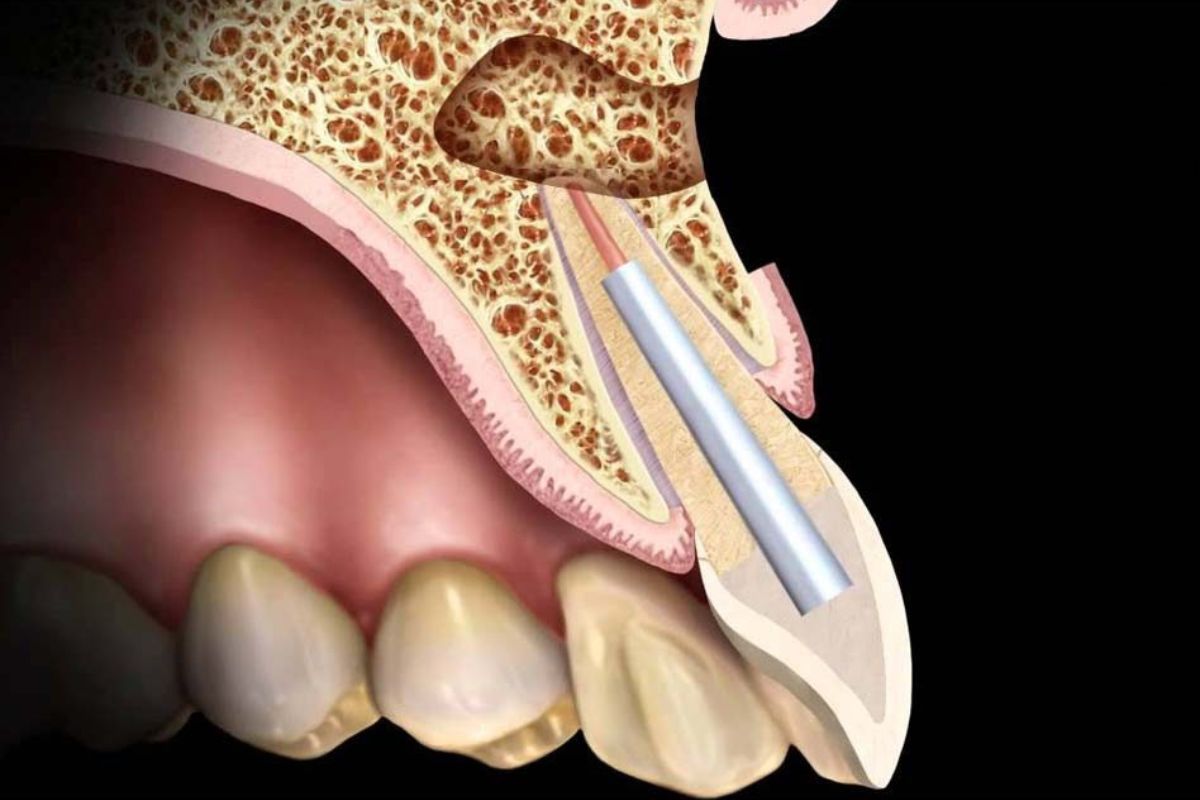
An apicoectomy is a minor surgical procedure also known as root-end resection. The endodontist makes a small incision in the gum tissue near the tooth root. They remove the infected tip of the root and any surrounding inflamed tissue. Then they seal the end of the canal to prevent future problems.
This approach targets issues specifically at the root tip. It proves especially useful when problems cannot be reached through the crown of the tooth.
Key Differences Between the Two Procedures
Retreatment cleans the entire canal system from inside the tooth. Apicoectomy focuses only on the last few millimeters of the root. Retreatment is non-surgical and less invasive for many cases. Apicoectomy requires surgery but offers direct access to persistent root-tip infections.
Success rates for both are high when performed by skilled hands. The choice depends on the exact location of the problem, the tooth’s anatomy, and previous treatments.
When Retreatment Makes Sense
Your endodontist may recommend retreatment if X-rays show issues higher up in the canals or if the crown needs replacement anyway. It is often the first choice because it preserves more of the natural tooth structure without cutting the gums. Patients with good canal access usually see excellent results from this method.
When Apicoectomy Is the Better Path
Apicoectomy becomes the preferred solution when infection lingers at the root tip despite a well-done root canal and retreatment is not practical. It also helps in cases with calcified canals, broken instruments, or complex root anatomy that blocks traditional cleaning.
Dr. David Li brings extensive experience to these precise surgical decisions. His careful evaluation ensures each patient receives the most appropriate treatment for long-term success.
If you are searching for a reliable endodontist near Arcadia, a thorough consultation and checkup can reveal details that standard X-rays might miss. This step is key to choosing the right path.
Recovery and What to Expect
Recovery from retreatment is generally quicker. Most people return to normal activities within a day or two. Apicoectomy may involve slight swelling and discomfort for a few days, but modern techniques make the process comfortable.
In both cases, following post-procedure instructions supports proper healing. Regular follow-up visits help confirm the tooth is stable.
Trending FAQs
- What is the difference between apicoectomy and retreatment?
Retreatment is non-surgical and cleans the full canal length. Apicoectomy is surgical and removes the root tip to address persistent infection. - Which procedure is more invasive?
Apicoectomy is more invasive as it involves gum surgery. Retreatment is less invasive. - How do I know which treatment I need?
Your endodontist determines this through exams, symptoms, and 3D imaging to locate the exact source of the problem. - Can these procedures save my tooth?
Yes. Both options have high success rates and focus on preserving your natural tooth when possible.
Making the Right Choice for Your Smile
Every tooth and situation is unique. Factors like the tooth’s location, your overall health, and the specific cause of the problem all play a role. A detailed evaluation provides clarity and peace of mind.
The goal remains the same: relieve pain, eliminate infection, and keep your natural tooth functioning for years. With today’s technology and expert techniques, both paths offer strong outcomes.
Ready to take the next step? Schedule an appointment with a trusted specialist who listens to your concerns and explains every option clearly. Your oral health deserves personalized attention that puts long-term success first. To schedule an appointment.