Top 5 Causes of Root Canal Retreatment

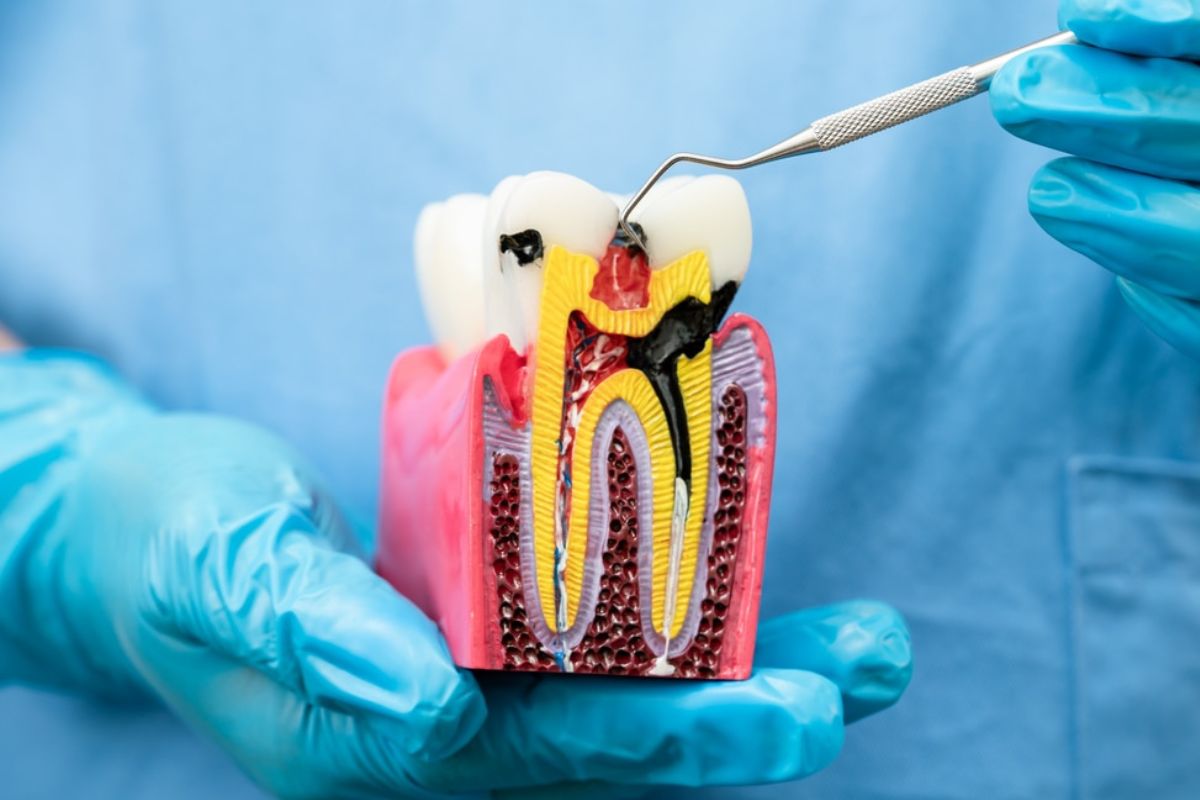
Root canal treatment is a common dental procedure that helps save teeth that are severely damaged or infected. However, for some patients, their tooth may not heal completely after the initial procedure, leading to the need for root canal retreatment. Understanding the main causes of retreatment can help prevent unnecessary procedures and keep your smile intact. Let’s explore the top 5 causes of root canal retreatment.
1. Incomplete or Inadequate Cleaning of the Root Canals
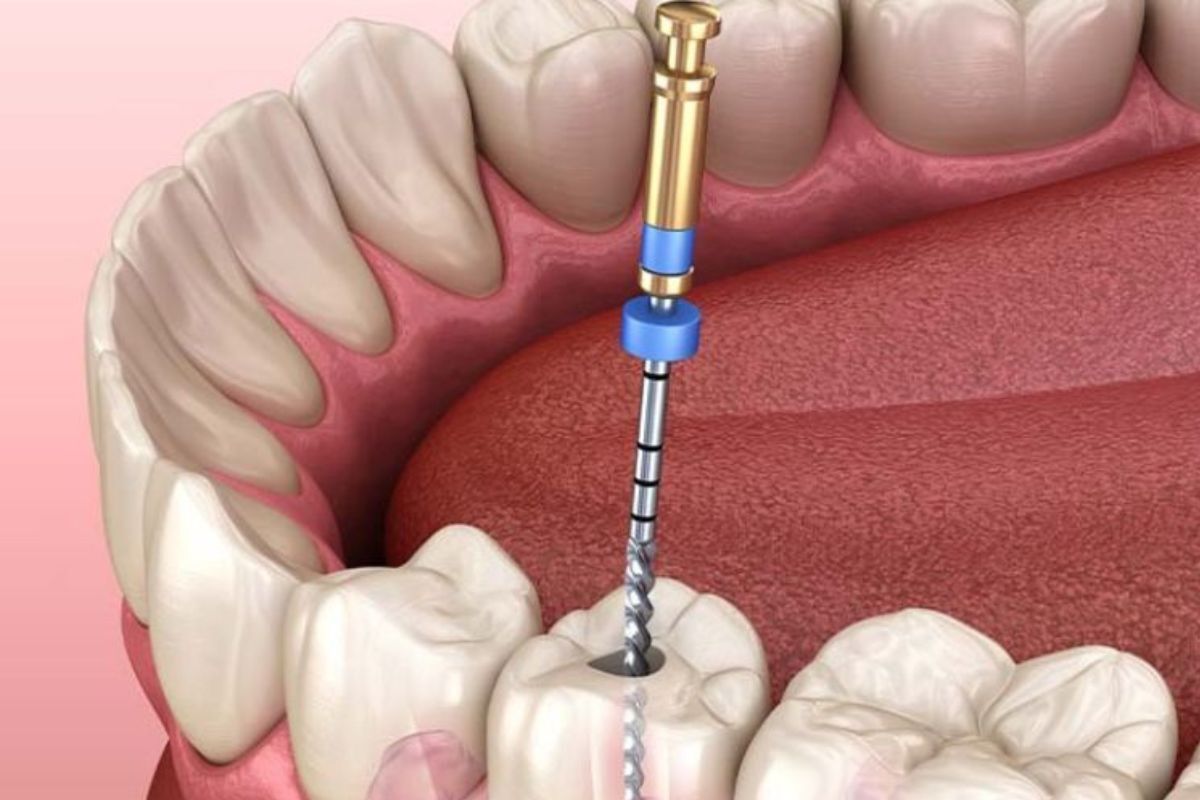
One of the most common reasons for root canal retreatment is incomplete cleaning of the root canals. The goal of the procedure is to remove bacteria and infected tissue from the root canals. However, the root canal system can be intricate, with multiple small branches that may be difficult to clean thoroughly. If the bacteria are not fully removed, the infection can linger, causing further problems.
This issue arises when the tooth’s canals are complex or curved, making it hard to reach every infected area. If an endodontist misses even a small section, the bacteria can remain and cause reinfection. That’s why it’s crucial to choose an experienced professional for your root canal treatment in Arcadia to ensure the job is done right the first time.
2. New Infection or Recurrent Infection
Even if the original root canal was successful, a new infection can develop later, requiring retreatment. This can happen if the tooth gets recontaminated due to a crack or a breakdown in the filling material used during the root canal procedure. The bacteria can find their way back into the root canal system, causing another infection.
Some factors that contribute to this issue include improper sealing of the tooth or the breakdown of the crown or filling over time. Without proper sealing, bacteria can enter through the cracks and cause a fresh infection. If this happens, retreatment may be necessary to clean the canals and restore the tooth.
3. Failure to Completely Seal the Root Canal
After a root canal procedure, the canals need to be sealed properly to prevent bacteria from re-entering. If the seal is incomplete, the tooth becomes vulnerable to reinfection. Unfortunately, sometimes endodontists may fail to create a tight seal, leaving tiny gaps that bacteria can exploit.
When the sealing material doesn’t fill all areas of the root canal, bacteria can gradually invade and cause a new infection. It’s important to ensure that the filling material is well-placed and creates a secure barrier. Regular check-ups after the procedure can help detect any early signs of a failing seal.
4. Undetected Cracks in the Tooth
Cracks in the tooth can be difficult to detect, and in some cases, they may not even be visible on X-rays. These cracks can develop over time, especially in teeth that have been subjected to heavy chewing or trauma. Even the smallest crack can allow bacteria to infiltrate the root canal, causing an infection that may lead to retreatment.
If your endodontist misses a crack during the initial root canal procedure, it can become a source of reinfection later. It’s crucial to address any cracks or fractures in the tooth as soon as possible. Advanced imaging techniques and careful inspection can help detect cracks that aren’t visible at first glance.
5. Poor Post-Treatment Care or Delayed Restoration
After a root canal procedure, the tooth should be restored with a permanent filling or crown. If the restoration is delayed or neglected, the tooth may be vulnerable to damage or infection. Without proper restoration, the treated tooth can crack, become brittle, or even allow bacteria to enter the root canal.
It’s important to follow through with the restoration as soon as possible after the root canal treatment. Delaying the process can lead to complications that may require retreatment. Be sure to consult your endodontist about the best options for restoring your tooth and protecting it from future issues.
Root canal retreatment is necessary when a tooth doesn’t heal as expected or gets reinfected after the initial procedure. By understanding the top causes of retreatment—such as incomplete cleaning, recurrent infections, improper sealing, undetected cracks, and poor post-treatment care—you can take proactive steps to ensure the long-term success of your root canal treatment. For those seeking reliable root canal treatment in Arcadia, choosing a skilled and experienced endodontist is crucial for avoiding unnecessary procedures. If you’re dealing with complications after a root canal or need expert care, consider consulting a trusted specialist in Endodontics in Arcadia for the best treatment options.