Can Smokers Get Dental Implants? Arcadia Periodontist Advice


Dental implants have become a go-to solution for replacing missing teeth, offering a natural look and feel that can last for decades with proper care. However, if you’re a smoker considering this procedure, you might be wondering about the implications of your habit on the success of the treatment. Smoking introduces unique challenges to oral health, and many patients are curious about how it might affect their eligibility for implants. In this blog, we’ll dive into the relationship between smoking and dental implants, explore the risks, and share expert advice from Arcadia-based dental professionals to help you make an informed decision about your oral health journey.
Understanding Dental Implants and Their Benefits
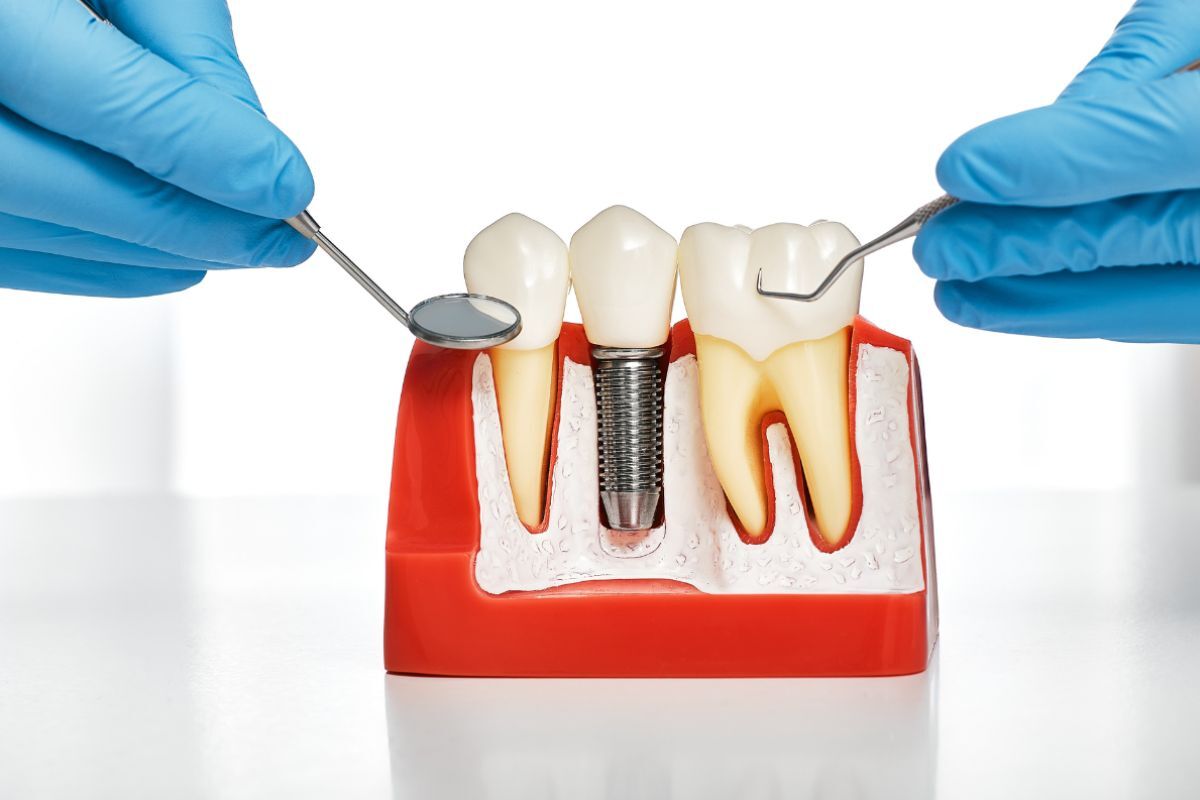
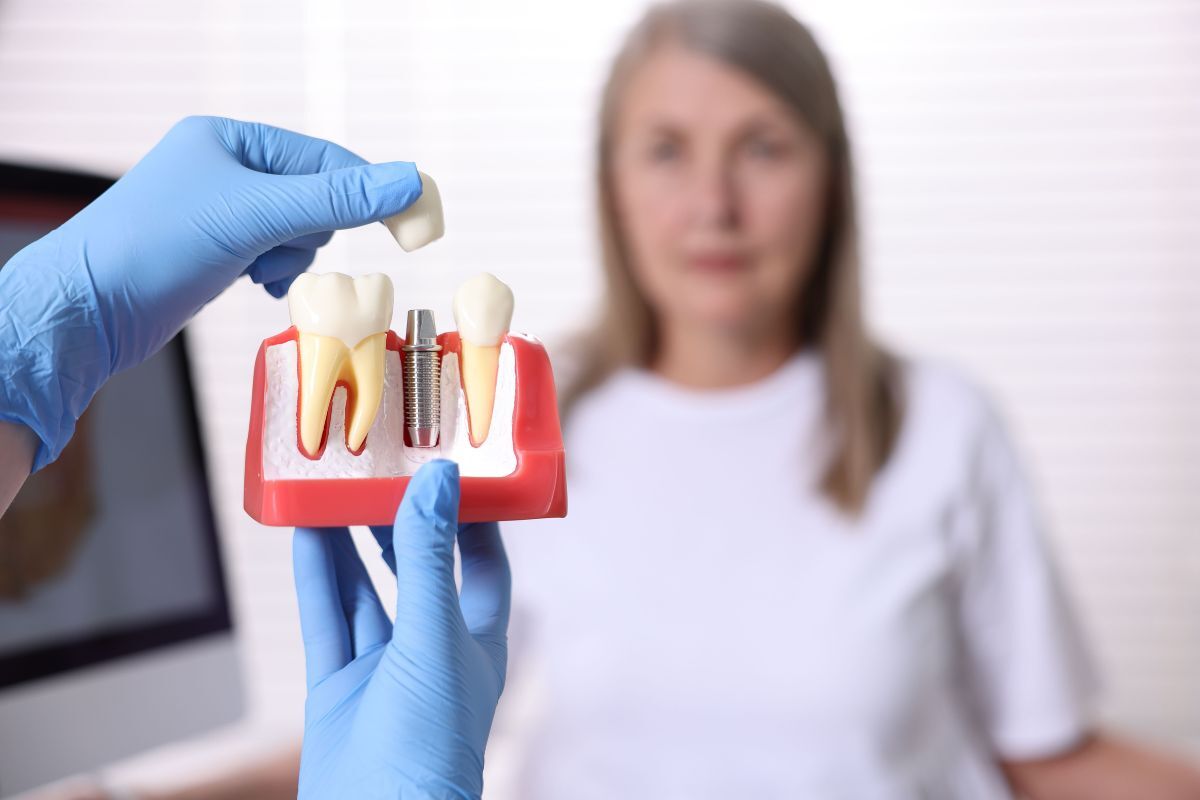
Dental implants are titanium posts surgically placed into the jawbone to act as artificial tooth roots. They provide a stable foundation for crowns, bridges, or dentures, mimicking the function of natural teeth. The process involves osseointegration, where the implant fuses with the bone, ensuring durability and stability. This makes implants an excellent option for those seeking a long-term solution for missing teeth. Their ability to restore chewing function, improve speech, and enhance aesthetics has made them increasingly popular. However, the success of this procedure depends on several factors, including overall health, oral hygiene, and lifestyle habits like smoking, which can significantly impact the outcome.
How Smoking Affects Oral Health
Smoking has well-documented negative effects on oral health, which can complicate dental procedures like implants. Nicotine and other chemicals in tobacco reduce blood flow to the gums, slowing healing and increasing the risk of infection. Smokers are more prone to gum disease, such as periodontitis, which can weaken the bone and soft tissues that support implants. Additionally, smoking contributes to dry mouth, a condition that fosters bacterial growth and can lead to complications like peri-implantitis, an inflammatory condition around the implant site. These factors create a challenging environment for the implant to integrate properly with the jawbone, potentially leading to failure if not addressed.
Can Smokers Get Dental Implants in Arcadia?
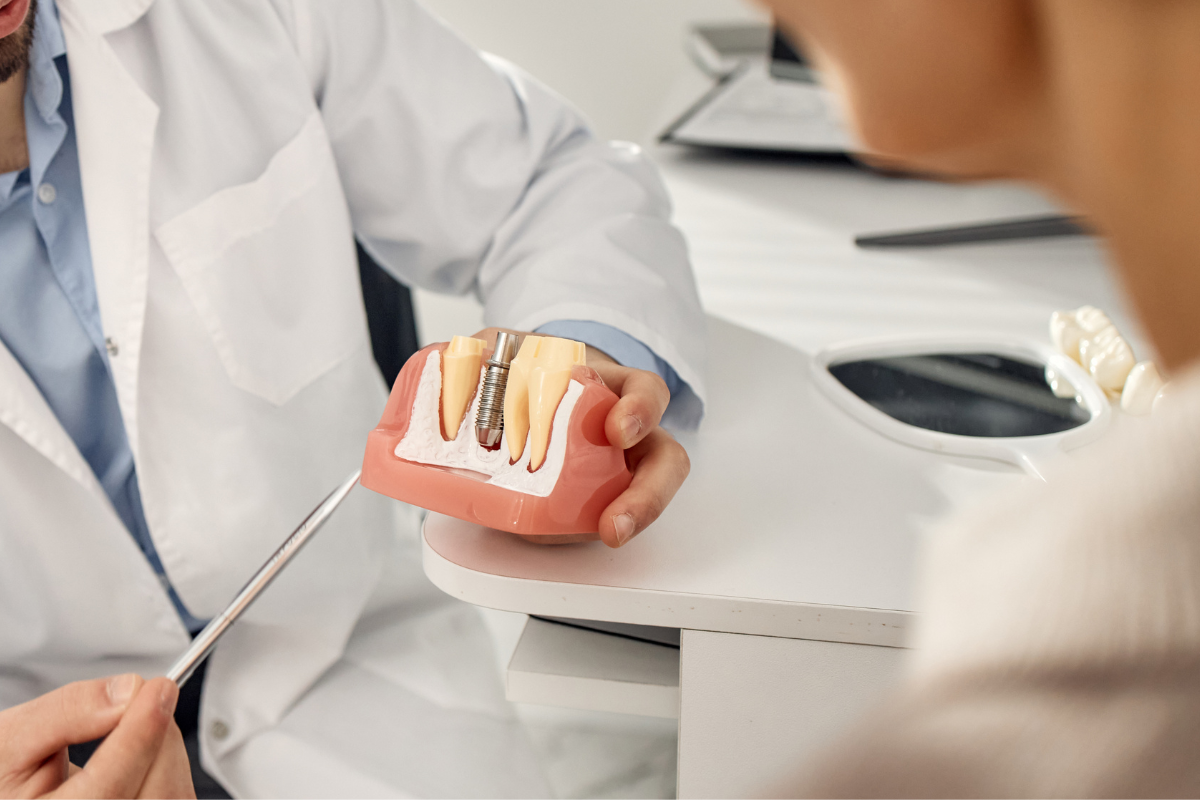
The short answer is yes—smokers can get dental implants in Arcadia, but it comes with important considerations. Dental professionals in the area often evaluate smokers on a case-by-case basis, taking into account the frequency of smoking, overall oral health, and commitment to post-operative care. While smoking doesn’t automatically disqualify you, it does increase the risk of complications. For instance, the reduced blood flow caused by smoking can hinder osseointegration, making it harder for the implant to bond with the bone. Periodontists often recommend a thorough consultation to assess your candidacy, which may include X-rays, gum health evaluations, and discussions about your smoking habits to create a personalized treatment plan that maximizes success.
Risks of Dental Implants for Smokers
Smoking introduces several risks that can affect the longevity and success of dental implants. These include:
- Delayed Healing: Nicotine constricts blood vessels, slowing the delivery of oxygen and nutrients to the surgical site, which can prolong recovery.
- Higher Failure Rates: Studies show that smokers have a higher implant failure rate compared to non-smokers due to poor bone integration and increased infection risk.
- Gum Disease: Smokers are more susceptible to peri-implantitis, which can cause bone loss around the implant and lead to its failure.
- Bone Density Issues: Smoking can weaken the jawbone over time, reducing the support needed for a stable implant.
Despite these risks, many smokers have successfully received implants by working closely with their dental team to mitigate potential issues.
Advice from a Local Periodontist in Arcadia
A local periodontist in Arcadia can provide specialized care for smokers considering implants, focusing on gum health and bone support. Periodontists often recommend quitting smoking at least a few weeks before and after the procedure to improve healing outcomes. If quitting isn’t an option, reducing smoking and maintaining rigorous oral hygiene can make a significant difference. They may also suggest additional treatments, such as bone grafting, if smoking has caused bone loss, or prescribe antimicrobial rinses to reduce infection risk. Collaborating with a periodontist ensures that your gums and jawbone are in optimal condition before proceeding with the implant surgery, increasing the likelihood of a successful outcome.
Steps Smokers Can Take to Improve Implant Success
If you’re a smoker interested in dental implants, there are actionable steps you can take to enhance your chances of success:
- Consider Quitting or Reducing Smoking: Even a temporary break from smoking before and after surgery can significantly improve healing and reduce complications.
- Maintain Excellent Oral Hygiene: Brush twice daily, floss regularly, and use an antibacterial mouthwash to keep the implant site clean and free of infection.
- Follow Post-Operative Care Instructions: Adhere to your periodontist’s guidelines, such as avoiding hard foods and attending follow-up appointments to monitor healing.
- Stay Committed to Regular Checkups: Routine visits to your dental professional can help catch and address issues early, ensuring the longevity of your implant.
Additionally, seeking out a prosthodontist near me can be beneficial for smokers, as these specialists focus on restorative dentistry and can offer tailored solutions to ensure your implant integrates well despite the challenges posed by smoking.
Trending FAQs on Dental Implants for Smokers
Here are some frequently asked questions about dental implants for smokers, sourced from common Google searches:
- Does smoking cause dental implants to fail? Smoking increases the risk of implant failure due to delayed healing, infection, and poor bone integration, but success is possible with proper care.
- How long should I quit smoking before getting dental implants? Periodontists often recommend quitting for at least 2-4 weeks before and after the procedure to optimize healing and reduce complications.
- Can I smoke after getting dental implants? It’s best to avoid smoking for at least a few weeks post-surgery, as it can interfere with recovery and increase the risk of infection.
- Are there alternatives to dental implants for smokers? Yes, options like dentures or bridges may be considered if implants aren’t suitable, depending on your oral health and preferences.
These questions reflect the concerns many smokers have, and addressing them with your dental team can provide clarity and confidence in your treatment plan.
Alternatives to Dental Implants for Smokers
If the risks associated with smoking make dental implants less viable, there are alternatives to consider. Removable dentures offer a non-surgical option that can restore function and aesthetics, though they may not provide the same stability as implants. Dental bridges, which attach to adjacent teeth, are another option for replacing missing teeth without the need for bone integration. Your periodontist can help you weigh the pros and cons of each option based on your oral health, lifestyle, and smoking habits, ensuring you find a solution that meets your needs.
Smoking doesn’t have to be a dealbreaker when it comes to dental implants, but it does require extra caution and commitment. By understanding the risks, taking proactive steps to improve your oral health, and working closely with a trusted dental professional, you can increase your chances of a successful outcome. Whether you’re ready to take the next step or exploring alternatives, a thorough consultation with an Arcadia periodontist can guide you toward the best solution for your smile. With the right approach, you can achieve a healthy, confident smile that enhances your quality of life for years to come.