What Causes Pain Months After a Root Canal Treated Tooth?


Have you noticed discomfort in a tooth that had a root canal months ago? It’s frustrating when you expect relief, but pain creeps back. This issue affects many people, often leaving them puzzled about what’s wrong. Let’s dive into the reasons behind it and how to find real solutions. Knowledge can ease your worries and guide you toward better oral health.
Understanding Root Canal Treatment
Root canal therapy saves infected teeth by removing damaged pulp. The dentist cleans the inner chambers, fills them, and seals the tooth. This process stops infection from spreading. Most procedures succeed, preserving the natural tooth. Yet, some patients face delayed issues. Factors like tooth structure or healing play a role. Endodontists specialize in these treatments for precise care.
Common Causes of Delayed Pain After Root Canal
Pain doesn’t always vanish right away. Several factors can trigger discomfort later.
Lingering inflammation often occurs. Tissues around the root need time to heal. This can cause mild throbbing for weeks.
A persistent infection might remain. Bacteria sometimes hide in tiny canals. If not fully cleared, pain returns.
Missed canals are another culprit. Teeth have complex root systems. Overlooking one allows infection to linger.
Cracks or fractures in the tooth lead to issues. These let bacteria enter, sparking new pain.
High bite pressure from a crown or filling irritates. Uneven contact causes soreness when chewing.
Nerve irritation can happen. Nearby nerves react to the procedure, leading to referred pain.
New decay around the restoration worsens things. It undermines the seal, inviting problems.
Gum disease near the tooth adds to discomfort. Inflammation spreads, mimicking root issues.
Sinus problems or jaw tension sometimes mimic tooth pain. These non-dental causes confuse diagnosis.
Diagnosing Persistent Tooth Pain
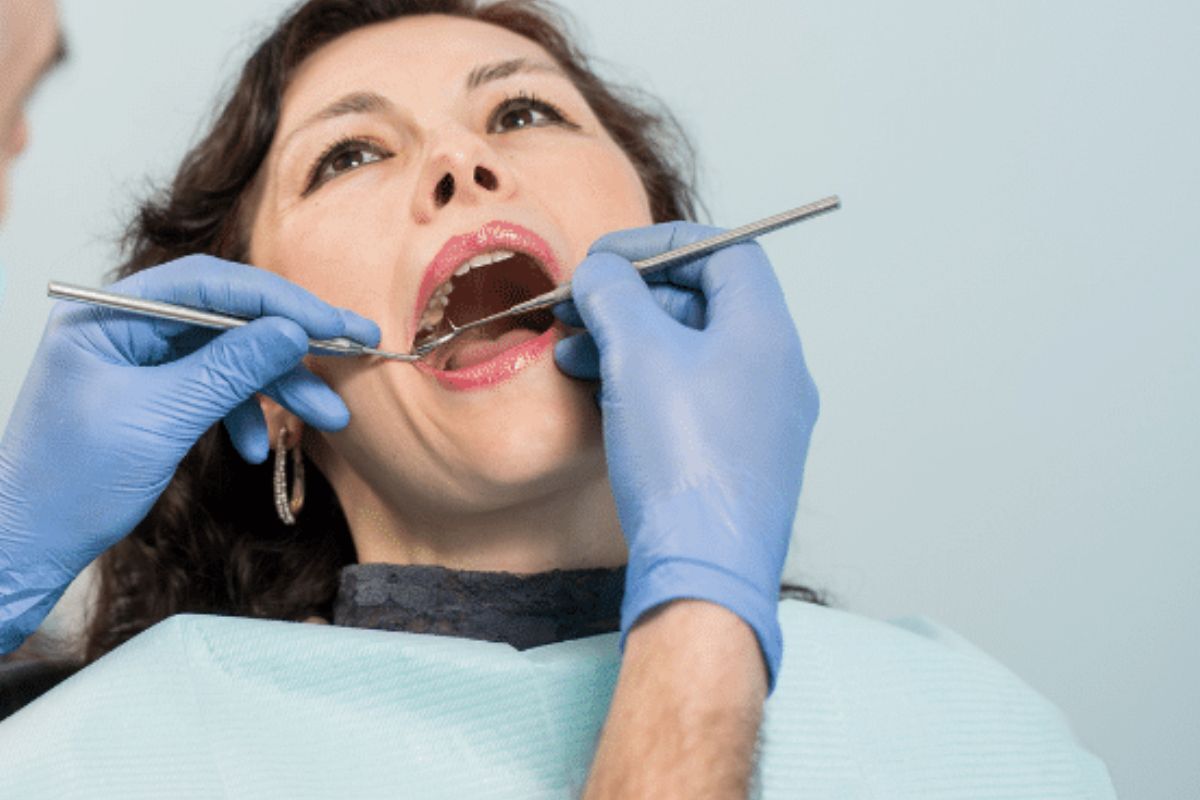
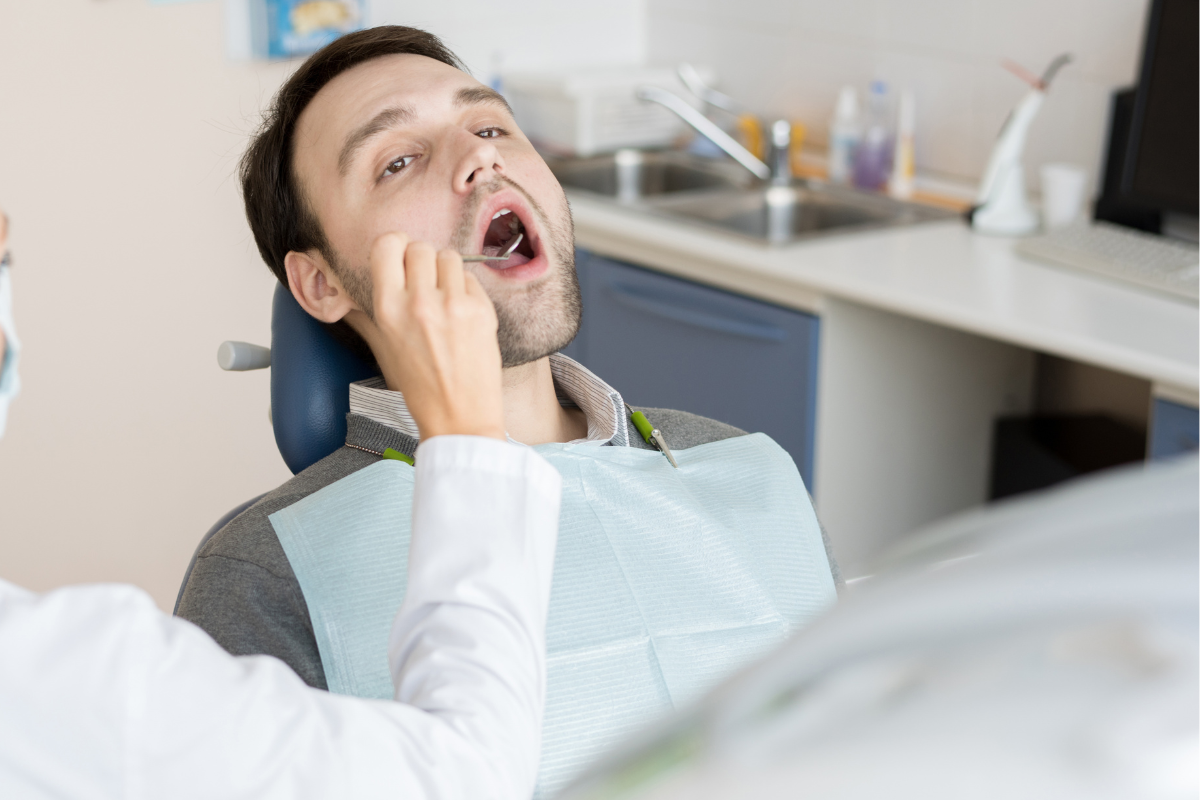
Spotting the cause requires expert evaluation. Dentists use X-rays to check roots and bones. They look for signs of infection or cracks. Sensitivity tests help pinpoint issues. Sometimes, CBCT scans provide 3D views for accuracy. If you are searching for an endodontist near you, a specialist can offer detailed assessments. Early detection prevents bigger problems. Listen to your symptoms and note when pain flares.
Treatment Options for Ongoing Pain
When pain persists, options exist to fix it. Retreatment cleans and reseals the canals. This addresses missed infections effectively.
Surgery might help in tough cases. Comparing apicoectomy to root canal retreatment, the former removes the root tip through a small incision. It’s ideal when retreatment isn’t feasible. Both aim to save the tooth.
Antibiotics tackle active infections. Pain relievers ease symptoms during healing.
Adjusting the bite fixes pressure issues. A quick visit resolves this.
In rare cases, extraction becomes necessary. But specialists prioritize preservation.
For locals seeking reliable care, options like our root canal retreatment in Arcadia, CA, fit seamlessly into addressing these concerns. Always consult a pro for tailored advice.
Key Statistics on Root Canal Outcomes
Data shows root canals perform well over time. Here’s a breakdown:
| Years After Treatment | Survival Rate | Success Rate |
|---|---|---|
| 10 | 97% | 93% |
| 20 | 81% | 85% |
| 30 | 76% | 81% |
| 37 | 68% | 81% |
These figures come from long-term studies. Proper restoration boosts rates. Crowns nearly double longevity.
Trending FAQs on Post-Root Canal Pain
People often search for answers on this topic. Here are common questions with insights:
- Is it normal to have pain months after a root canal? No, ongoing pain isn’t typical. It might signal infection or a crack. See a specialist if it lasts beyond a week.
- Why does my root canal tooth hurt when I bite down? This could stem from inflammation or a high filling. Adjustments often fix it. Persistent issues may indicate deeper problems.
- What if pain returns after a root canal? Returning pain suggests reinfection or missed canals. Prompt evaluation prevents worsening.
- How long does pain last after a root canal? Mild discomfort fades in days. Severe pain beyond that needs attention.
- When should I see a dentist for pain after root canal? Contact them if swelling, fever, or intense pain occurs. Don’t wait for complications.
- Can a root canal fail years later? Yes, due to new cracks or decay. Regular check-ups catch issues early.
Pain months after a root canal signals something needs attention. You’ve learned the causes, from infections to cracks. Diagnosis and treatments like retreatment offer hope. Stay proactive with check-ups. If discomfort lingers, reach out to schedule an appointment. Your smile deserves lasting comfort.