Retreatment vs. Apicoectomy: Which is Right for You?


When a root canal fails to resolve persistent dental issues, the path forward can feel uncertain. You may experience discomfort or swelling in a previously treated tooth, leaving you wondering about the next steps to preserve your smile. At The Ivy Institute, we specialize in advanced endodontic care, offering solutions like retreatment and apicoectomy to save your natural teeth. This blog explores these two procedures, helping you understand their differences, benefits, and when each is appropriate, empowering you to make an informed decision about your dental health.
Understanding Root Canal Challenges
Root canal therapy is designed to save a tooth by removing infected tissue within its canals. However, issues like missed canals, new infections, or inadequate sealing can cause symptoms to persist. When this happens, endodontists consider two primary options: retreatment or apicoectomy. Both aim to preserve your natural tooth, but they differ in approach and application. Let’s dive into what each procedure entails and how they address specific dental concerns.
What is Root Canal Retreatment?
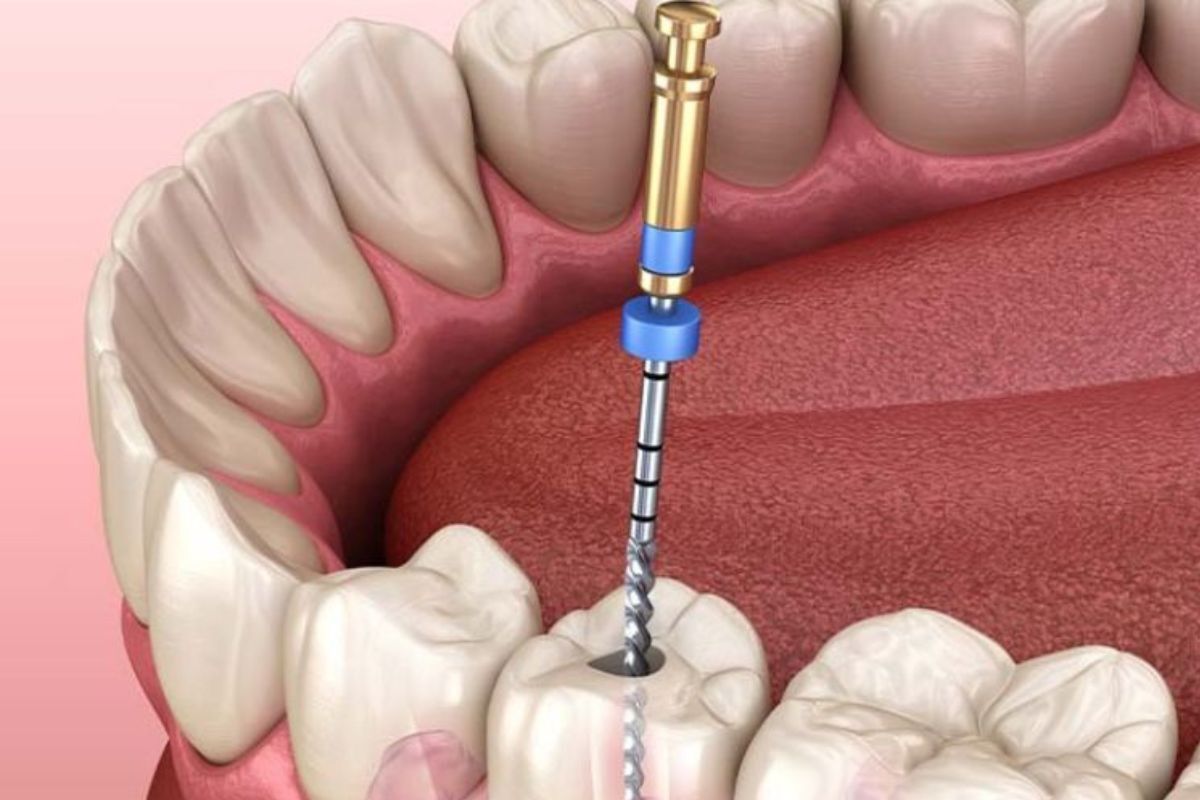
Root canal retreatment is a non-surgical procedure that revisits a previous root canal to address unresolved issues. The endodontist reopens the tooth, removes the existing filling material, and thoroughly cleans the canals to eliminate any lingering infection or bacteria. The canals are then resealed with new filling material, and a crown or filling is placed to restore the tooth’s function. This approach is often the first choice when the tooth’s structure is intact and the issue stems from incomplete treatment or new decay.
Retreatment is ideal for cases involving:
- Missed or untreated canals during the initial procedure.
- Coronal leakage, where bacteria re-enter due to a compromised seal.
- Persistent infection within the canal system.
This method is less invasive than surgery, offering a shorter recovery time, typically one to two weeks. It’s particularly effective when the tooth’s anatomy allows for thorough cleaning and the restoration remains viable.
What is an Apicoectomy?
An apicoectomy, also known as root-end resection, is a surgical procedure used when retreatment alone cannot resolve the issue. It targets the tip of the tooth’s root, called the apex, where persistent infection or inflammation may linger. The endodontist makes a small incision in the gum tissue to access the root tip, removes the infected portion, and seals the canal with a biocompatible material to prevent further infection. The gum is then sutured, and healing typically takes two to four weeks.
An apicoectomy is recommended when:
- Infection persists at the root tip, inaccessible through retreatment.
- Calcifications or anatomical complexities block canal access.
- Fractures or perforations at the root tip require surgical intervention.
This procedure is more targeted, addressing issues that non-surgical methods cannot reach, and is often used when retreatment is not feasible due to structural concerns.
Key Differences Between Retreatment and Apicoectomy
Choosing between retreatment and apicoectomy depends on the tooth’s condition and the nature of the problem. Here’s a comparison to clarify their differences:
| Aspect | Retreatment | Apicoectomy |
|---|---|---|
| Type | Non-surgical | Surgical |
| Procedure | Reopens tooth, cleans canals, reseals | Removes root tip, seals canal surgically |
| Recovery Time | 1-2 weeks | 2-4 weeks |
| Best For | Missed canals, coronal leakage, reinfection | Root tip issues, calcifications, fractures |
| Invasiveness | Less invasive | More invasive |
Retreatment is often preferred for its simplicity and faster recovery, while apicoectomy is reserved for cases requiring surgical precision. Your endodontist will use diagnostic tools like CBCT imaging to assess the tooth’s condition and recommend the best approach.
When to Choose Retreatment
Retreatment is typically the first option when a root canal fails, especially for patients seeking root canal therapy in Arcadia, CA. It’s ideal when the tooth’s restoration is intact, and the issue lies within the canal system. For example, if a missed canal or inadequate sealing caused the infection, retreatment can address these issues without surgery. It’s also preferred when the tooth’s structure can support another procedure without compromising its integrity. Patients benefit from a less invasive approach and quicker return to normal function.
When to Choose an Apicoectomy
An apicoectomy is recommended when retreatment cannot resolve the issue, such as when infection persists at the root tip or anatomical complexities prevent canal access. Endodontic treatment innovations, like microsurgery techniques and biocompatible sealants, have improved apicoectomy outcomes, offering reliable results. This procedure is crucial for preserving teeth with calcifications, fractures, or extra roots that standard retreatment cannot address. It’s a targeted solution for complex cases, ensuring the tooth remains functional.
Trending FAQs on Retreatment and Apicoectomy
Here are answers to common questions patients ask about these procedures, based on popular queries:
- Why does my root canal need retreatment? Persistent pain, swelling, or new infections may indicate missed canals, coronal leakage, or inadequate sealing from the initial procedure.
- Is an apicoectomy painful? Local anesthesia ensures comfort during the procedure. Mild discomfort or swelling post-surgery is normal and manageable with prescribed medication.
- How long does recovery take? Retreatment recovery takes 1-2 weeks, while apicoectomy healing may take 2-4 weeks due to surgical intervention.
- Can I avoid surgery with retreatment? In many cases, yes, if the issue is within the canal system and the tooth’s structure supports retreatment.
- What happens if neither procedure works? Your endodontist will discuss alternative options, such as extraction, to maintain your oral health.
These answers address common concerns, helping you understand what to expect from each procedure.
Factors Influencing Your Decision
Choosing between retreatment and apicoectomy depends on several factors:
- Tooth Condition: Intact restorations favor retreatment, while root tip issues may require surgery.
- Anatomical Complexity: Calcifications or extra roots may necessitate an apicoectomy.
- Symptoms: Persistent pain or swelling guides the endodontist’s recommendation.
- Patient Preference: Some prefer non-surgical options for faster recovery, while others opt for surgery to address specific issues.
Your endodontist will conduct a thorough evaluation, including radiographic assessments, to tailor the treatment to your needs. Advanced technologies, like cone-beam computed tomography (CBCT), enhance diagnostic accuracy, ensuring the chosen procedure maximizes tooth preservation.
Why Preserving Your Natural Tooth Matters
Both procedures aim to save your natural tooth, which is preferable to extraction. Natural teeth maintain chewing function, prevent adjacent teeth from shifting, and avoid the need for implants or bridges. Retreatment and apicoectomy offer effective solutions to extend the life of your tooth, supporting long-term oral health. By addressing infections and structural issues, these treatments help you avoid more invasive procedures down the line.
Take the Next Step for Your Dental Health
Persistent discomfort in a previously treated tooth can be concerning, but you have options to restore your smile. If you are searching for an “endodontist near me”, we offer expert care tailored to your needs. Our team uses advanced techniques to ensure the best outcomes for retreatment or apicoectomy. Schedule an evaluation today at (626)-445-8530 to explore the right solution for you and keep your natural teeth healthy for years to come.