Gingivitis vs. Periodontitis: What’s the Real Difference?


Have you ever noticed your gums bleeding a little during brushing? Or felt a tenderness around your teeth that you brushed off as nothing? These subtle signs often point to early gum issues. Many people overlook them until problems worsen. Understanding gum health matters. It can prevent bigger troubles down the line. In this post, we’ll break down two common conditions: gingivitis and periodontitis. We’ll explore their differences, symptoms, and steps you can take. Knowledge empowers you to protect your smile effectively.
What is Gingivitis?
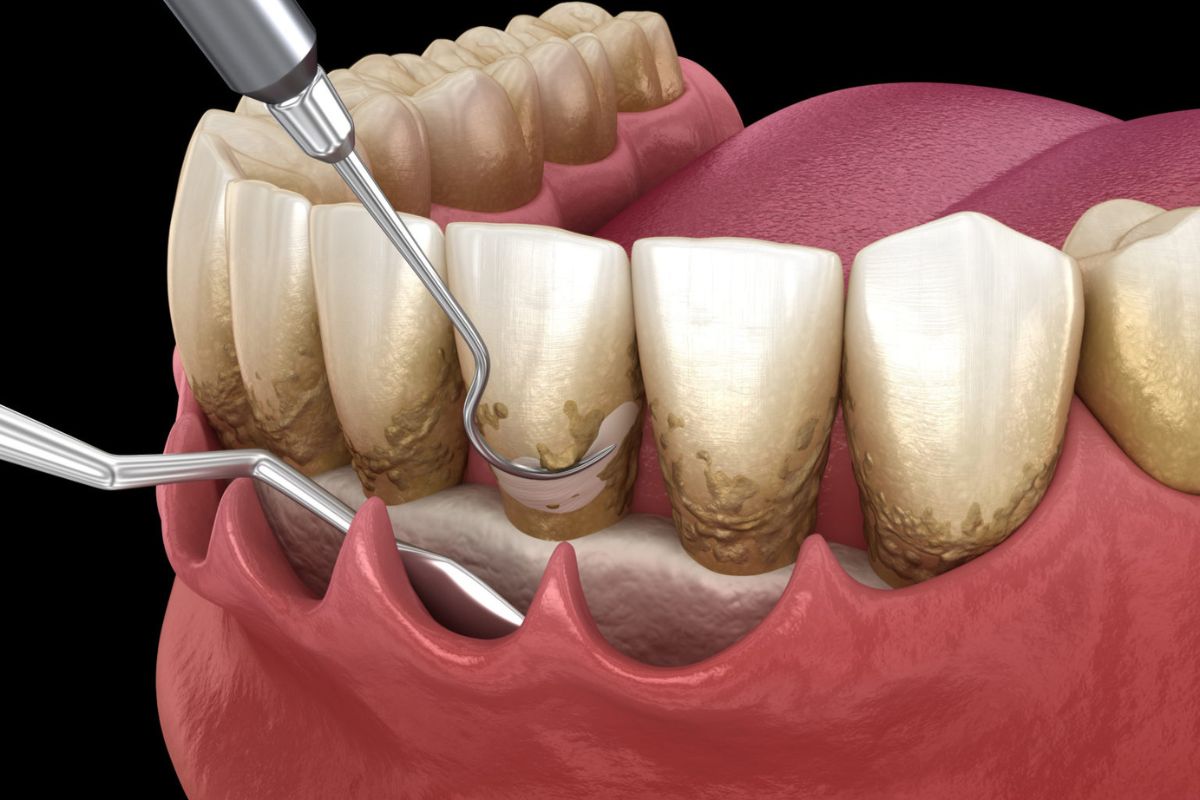
Gingivitis marks the first stage of gum disease. It involves inflammation of the gums. Plaque buildup causes this issue. Plaque is a sticky film of bacteria on teeth. If not removed, it irritates the gums.
Gums turn red and swollen. They may bleed easily. Bad breath can occur too. Most cases show no pain. That’s why it’s sneaky.
Gingivitis affects many adults. Good news: it’s reversible. Better oral hygiene often fixes it. Brush twice daily. Floss regularly. This stops progression.
Risk factors include poor brushing habits. Hormonal changes play a role. Certain medications contribute. Dry mouth worsens it.
What is Periodontitis?
Periodontitis is the advanced form of gum disease. It goes beyond gums. Infection spreads to supporting tissues and bone. Teeth loosen over time. Tooth loss becomes a risk.
Deep pockets form between teeth and gums. Bacteria thrive there. The body fights back, but damage accumulates. Bone loss happens gradually.
This stage isn’t reversible. Early intervention slows it. Untreated, it leads to severe complications. Links to heart disease and diabetes exist. Inflammation connects them.
Smoking accelerates progression. Genetics influences susceptibility. Poor nutrition plays a part. Regular checkups catch it early.
Key Differences Between Gingivitis and Periodontitis
Gingivitis stays at the surface. It targets gums only. No bone involvement. Periodontitis digs deeper. It destroys bone and ligaments.
Reversibility sets them apart. Gingivitis heals with care. Periodontitis needs professional help. Damage is permanent.
Symptoms differ in intensity. Gingivitis causes mild bleeding. Periodontitis brings receding gums and pus. Pain increases.
Progression defines them. Gingivitis can lead to periodontitis if ignored. Catching it early prevents escalation.
| Aspect | Gingivitis | Periodontitis |
|---|---|---|
| Stage | Early, mild | Advanced, severe |
| Affects | Gums only | Gums, bone, tissues |
| Reversibility | Yes, with hygiene | No, but manageable |
| Common Symptoms | Red, swollen, bleeding gums | Loose teeth, deep pockets, bone loss |
| Prevalence (Adults 30+) | Up to 90% experience at some point | 47.2% (CDC data) |
This table highlights core contrasts. Stats show gum disease’s reach. Half of U.S. adults over 30 have periodontitis. Globally, 1 billion people face severe forms. Awareness drives action.
Symptoms to Watch For
Spotting signs early helps. For gingivitis, look for tender gums. They bleed during flossing. Halitosis lingers despite brushing.
Periodontitis shows more. Gums recede, exposing roots. Teeth shift. Abscesses form with pus. Chewing hurts.
Both share red, puffy gums. But periodontitis adds persistent bad breath. Gum sensitivity grows. Changes in bite occur.
Monitor closely. Self-check monthly. Use a mirror. Note any shifts. Early detection saves smiles.
Causes and Risk Factors
Bacteria cause both. Plaque hardens into tartar. It harbors germs. Inadequate cleaning starts the cycle.
Lifestyle factors amplify risks. Tobacco use impairs healing. Diabetes controls blood sugar poorly, worsening inflammation.
Age matters. Older adults face higher odds. Pregnancy hormones spike gingivitis. Stress weakens immunity.
Genetics loads the gun, and the environment pulls the trigger. A balanced diet supports gum health, and vitamins aid in repair.
Prevention Strategies for Healthy Gums
Prevent gum issues daily. Brush gently for two minutes. Use soft bristles. Fluoride toothpaste fights bacteria.
Floss once daily. It removes interdental plaque. Mouthwash reduces germs. Antimicrobial types work best.
Eat wisely. Crunchy fruits clean teeth. Avoid sugary snacks. They feed bacteria.
Visit your dentist biannually. Cleanings remove tartar. X-rays spot hidden problems.
Quit smoking. It boosts recovery. Manage chronic conditions. Control diabetes for better outcomes.
These habits build resilience. They keep gums strong. Consistency pays off.
Treatment Options for Gum Disease
Treatments vary by stage. For gingivitis, professional cleaning suffices. Scaling removes plaque. Polishing smooths surfaces.
Periodontitis demands more. Deep cleaning targets roots. Antibiotics fight infection. Laser therapy minimizes discomfort.
In severe cases, gum disease surgery reshapes tissues. It eliminates pockets. Regenerative procedures rebuild bone. Grafts restore lost areas.
Follow-up care is key. Maintain hygiene post-treatment. Monitor progress. Adjust as needed.
Success depends on compliance. Most respond well. Expertise guides the process.
If symptoms persist, seek a periodontist in Arcadia, CA. Specialists handle complex cases. They offer tailored plans.
Trending FAQs on Gingivitis and Periodontitis
People often search Google for clarity. Here are the top questions with answers:
- What causes gingivitis?
Plaque buildup from poor oral hygiene triggers it. Bacteria irritate gums, leading to inflammation. - Can periodontitis be cured?
No full cure exists. But treatments halt progression. Good care manages it long-term. - How do I know if I have periodontitis?
Look for receding gums, loose teeth, or deep pockets. A dentist measures via probing. - Is gingivitis contagious?
Not directly. But bacteria spread through saliva. Kissing or sharing utensils can transmit. - Does periodontitis cause tooth loss?
Yes, advanced stages destroy support. Up to 70% risk without intervention.
These address common worries. They guide the next steps.
If you are searching for “periodontist near me,” consider local experts. They understand regional needs. Personalized advice fits your lifestyle. Don’t delay. Early care prevents escalation.
In summary, knowing the difference between gingivitis and periodontitis empowers you. Act on signs promptly. Protect your oral health today. Schedule an appointment at (626)-445-8530. Your smile deserves expert attention.