Will My Teeth Become Sensitive After Periodontal Surgery?

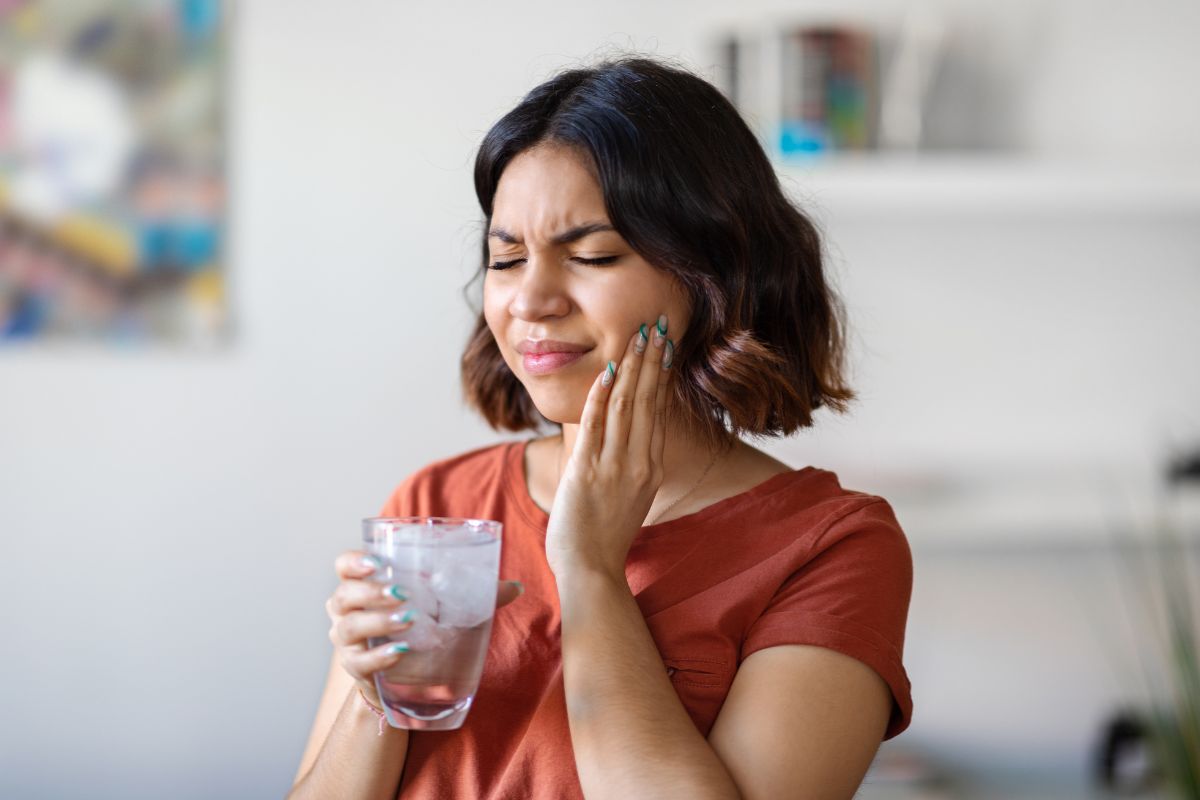
Many patients feel anxious about what comes next after gum treatment. Tooth sensitivity ranks high among their top worries. The truth is, it happens often, yet it rarely lasts forever. With simple steps and patience, most people return to normal comfort quickly. This guide walks you through the process so you know exactly what to expect and how to handle it.
What Is Periodontal Surgery?
Periodontal surgery corrects advanced gum issues. Surgeons lift gum tissue, clean roots, and reshape bone when needed. The goal stays clear: stop disease, protect teeth, and create a stable foundation for long-term oral health. Procedures vary by case, but each targets deep pockets and inflammation that daily cleaning cannot reach.
Why Teeth Often Feel Sensitive Afterward
Surgery exposes root surfaces that gums once covered. Dentin tubules open to air, temperature, and touch. This creates the classic sharp zing from cold drinks or hot foods. Gum recession during healing adds to the effect. Nerves stay active while tissues settle. These changes explain the common reaction.
How Long Does Sensitivity Typically Last?
Sensitivity peaks in the first few days. It then drops steadily. Most patients notice big improvement within two to four weeks. Full relief can take up to eight weeks in some cases. Good plaque control speeds everything up. Persistent issues beyond three months remain rare.
Here is a quick look at typical patterns:
| Time After Surgery | Approximate Prevalence of Sensitivity |
|---|---|
| 1 Day | 77–80% |
| 1 Week | 37% |
| 4 Weeks | 30% |
| 8 Weeks | 22% |
These numbers come from clinical reviews. They show the issue fades for the vast majority.
Patients undergoing periodontal surgery in Arcadia, CA, often report similar short-term experiences when they follow aftercare closely. Local expertise helps tailor recovery plans that minimize discomfort.
Simple Ways to Manage Sensitivity at Home
Start with a soft-bristle toothbrush. Brush gently twice daily. Switch to desensitizing toothpaste with potassium nitrate or stannous fluoride. Use it consistently for two weeks. Rinse with a prescription-strength fluoride mouthwash if your periodontist recommends one. Avoid very hot, cold, or sugary items for the first week. Chew on the opposite side when possible. These habits protect exposed areas and calm nerves faster.
Signs That Need Professional Attention
Mild sensitivity fits the normal healing curve. Severe pain, swelling that worsens after day three, or pus signals a problem. Loose teeth that feel different from before also deserve a call. Your periodontist can check sutures, adjust care, or apply a protective coating. Early contact prevents small issues from growing.
If you are searching for a periodontist near you, honest talks about your symptoms build the best recovery plan.
Trending FAQs
- Is tooth sensitivity normal after periodontal surgery?
Yes. It affects most patients temporarily as roots adjust. - How long will the sensitivity last?
Usually two to eight weeks. It improves with proper hygiene. - What causes teeth to feel sensitive after gum surgery?
Exposed dentin and minor gum recession open nerve pathways. - Does sensitivity go away completely?
Yes for the vast majority. Rare cases need extra desensitizing help. - What helps reduce sensitivity fastest?
Desensitizing toothpaste, gentle brushing, and fluoride rinses work best. - When should I contact my periodontist?
Call if pain increases after day three or you see swelling or pus.
These answers match the most common searches people type before and after treatment.
Healthy gums support strong teeth for years. Sensitivity after periodontal surgery forms a normal, passing phase that proper care shortens. Stay consistent with your home routine. Listen to your body. The long-term payoff—stronger gums and saved teeth—makes every step worthwhile. Reach out to schedule an appointment.