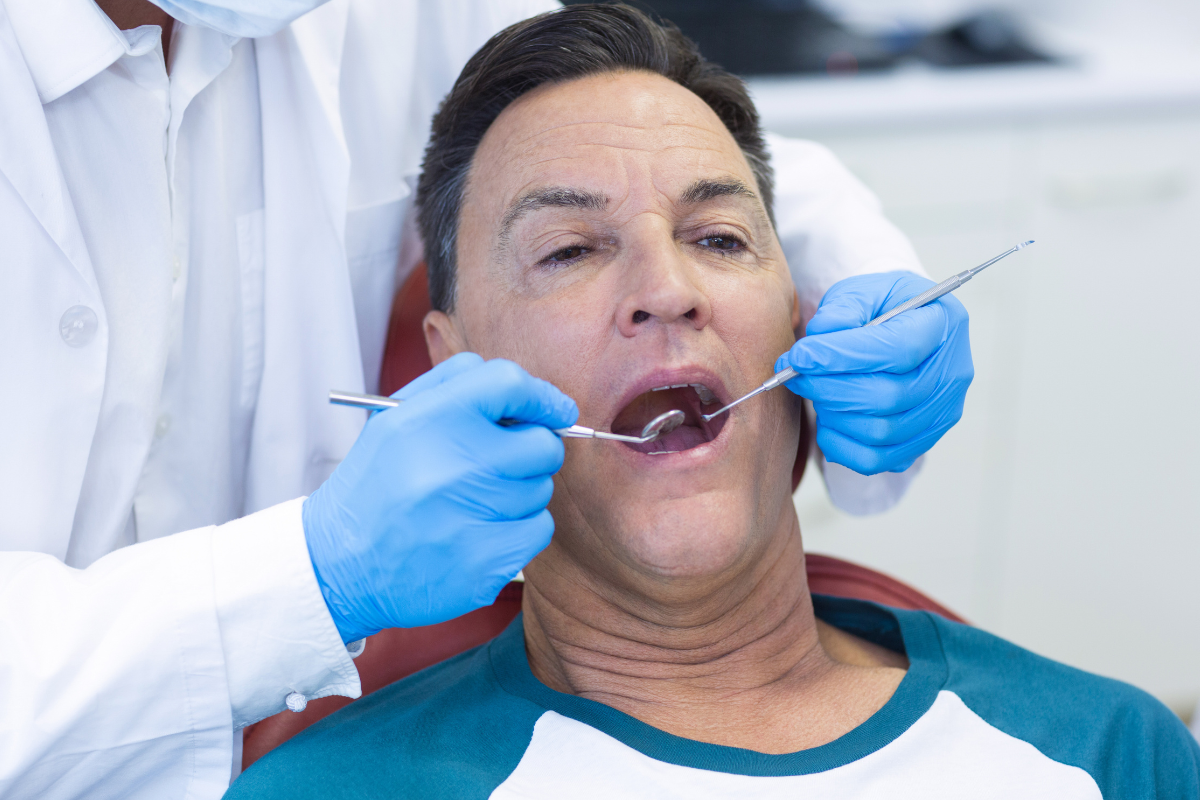
How Does Periodontal Surgery Deeply Clean Below the Gum Line?

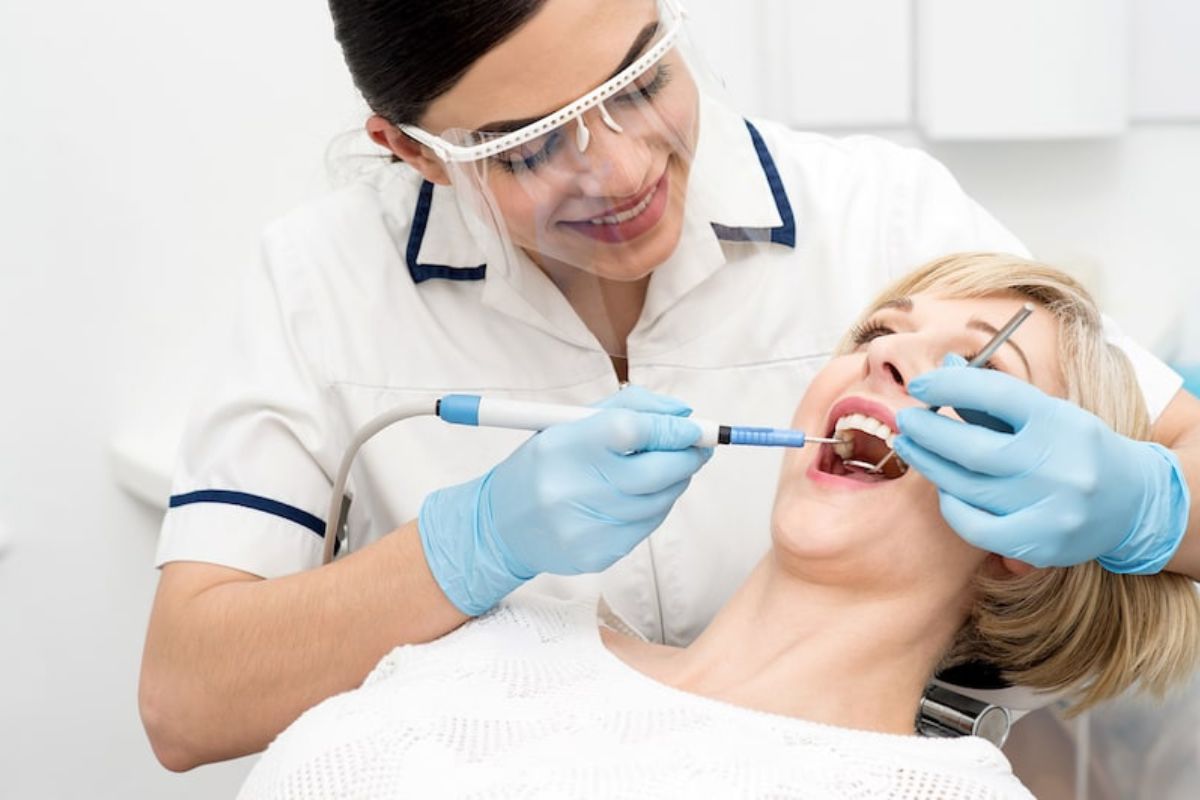
Your gums protect far more than just your smile. They help support your teeth, shield sensitive root surfaces, and act as a defense against harmful oral bacteria. When plaque and tartar begin collecting beneath the gum line, regular brushing and flossing can no longer fully remove the infection. Over time, bacteria settle deep into periodontal pockets and start damaging the surrounding gum tissue and bone.
That is where periodontal surgery becomes essential. These advanced procedures are specifically designed to clean deep below the gums, eliminate harmful bacteria, and restore a healthier environment around the teeth. Understanding how this process works can help patients feel more confident about protecting their long-term oral health.
Why Deep Gum Cleaning Is Important
Gum disease develops gradually. Many patients first notice mild symptoms like bleeding while brushing or swollen gums. As the condition progresses, bacteria spread further beneath the gum tissue and create pockets around the teeth.
These pockets trap bacteria, plaque, and hardened tartar deposits that cannot be removed through daily oral hygiene alone. Without treatment, the infection may continue damaging gum tissue and supporting bone.
Deep periodontal cleaning targets these hidden areas directly before the condition worsens.
Common Signs of Gum Disease
Persistent Bleeding
Gums that bleed regularly during brushing or flossing often indicate inflammation beneath the surface.
Chronic Bad Breath
Bacteria trapped deep below the gums can contribute to ongoing bad breath.
Gum Recession
As infection progresses, gums may pull away from the teeth and expose root surfaces.
Loose Teeth
Advanced periodontal disease may weaken the structures supporting the teeth.
Patients experiencing these symptoms often benefit from a detailed periodontal evaluation before further damage develops.
How Periodontal Surgery Cleans Beneath the Gums
Periodontal surgery allows direct access to the infected areas below the gum line. Unlike routine cleanings, this treatment reaches deeper bacterial buildup that standard instruments cannot fully remove.
Step 1: Evaluating the Gum Pockets
The process begins with a comprehensive examination. Pocket depths around each tooth are carefully measured to determine how far the infection has progressed.
Healthy gums typically fit tightly around the teeth. Deeper pockets often indicate advanced bacterial accumulation below the surface.
Step 2: Removing Deep Bacterial Deposits
During the procedure, the gum tissue is gently repositioned to expose the root surfaces underneath. This allows the specialist to thoroughly clean away plaque, tartar, and infected tissue from areas hidden beneath the gums.
For patients researching treatment options from a trusted periodontist in Arcadia, CA, understanding this deep-cleaning process often helps reduce anxiety and build confidence before treatment.
Step 3: Smoothing the Tooth Roots
Once the infected buildup is removed, the root surfaces are carefully smoothed through a process called root planing.
Smoother root surfaces make it more difficult for bacteria to collect again. This also encourages healthier gum reattachment during healing.
Step 4: Supporting Gum Healing
After the deep cleaning is completed, the gums are repositioned carefully to promote healing and reduce pocket depth. As inflammation decreases, the tissue begins adapting more closely around the teeth.
What Makes Periodontal Surgery So Effective?
The primary goal of periodontal surgery is to eliminate harmful bacteria hiding beneath the gum line before irreversible damage occurs.
Key Benefits of Deep Periodontal Cleaning
| Benefit | Why It Matters |
|---|---|
| Removes deep bacteria | Helps stop infection progression |
| Reduces periodontal pockets | Makes home care easier |
| Supports healthier gums | Encourages tissue healing |
| Protects supporting bone | Helps stabilize teeth |
| Reduces inflammation | Improves overall oral health |
This deeper level of cleaning is often necessary when gum disease no longer responds to standard preventive care alone.
Modern Techniques Used During Periodontal Treatment
Advancements in periodontal technology have made these procedures more precise and comfortable than many patients expect.
Ultrasonic Scaling Technology
Ultrasonic instruments use vibration and water irrigation to break apart stubborn tartar deposits beneath the gums while flushing away bacteria.
Precision Surgical Techniques
Modern periodontal procedures focus on preserving as much healthy tissue as possible while removing infected areas.
Antibacterial Irrigation
In certain cases, antibacterial solutions may be used during treatment to help reduce bacterial activity beneath the gums.
Patients today benefit from cleaner, more targeted treatment approaches with improved healing outcomes.
Recovery After Periodontal Surgery
Healing after periodontal treatment varies depending on the severity of the infection and the depth of the periodontal pockets.
Most patients notice gradual improvement in gum comfort and reduced inflammation during recovery.
Tips for Supporting Healing
Maintain Gentle Oral Hygiene
Careful brushing and flossing help keep bacteria under control while the gums heal.
Avoid Smoking
Smoking may interfere with tissue healing and increase bacterial accumulation.
Attend Follow-Up Visits
Regular periodontal maintenance appointments help monitor healing progress and reduce the risk of reinfection.
Stay Consistent With Home Care
Long-term success depends heavily on maintaining strong oral hygiene habits after treatment.
The Connection Between Gum Health and Overall Health
Research continues to highlight the relationship between periodontal disease and overall wellness. Chronic inflammation inside the mouth may affect other areas of the body over time.
Reducing harmful bacteria below the gum line supports healthier gum tissue and contributes to better oral stability overall.
Patients often report:
- Fresher breath
- Reduced gum tenderness
- Less bleeding
- Improved comfort while chewing
- Healthier-looking gums
These improvements can significantly enhance both oral health and daily confidence.
Why Personalized Periodontal Care Matters
No two cases of gum disease are identical. Some patients develop deep periodontal pockets quickly, while others experience gradual progression over time.
Experienced Arcadia periodontists carefully evaluate:
- Gum pocket depth
- Tissue inflammation
- Bone support levels
- Gum recession
- Oral hygiene habits
This personalized approach allows treatment plans to be tailored to each patient’s specific condition.
Patients searching online for a perodontist in Arcadia often want more than just treatment. They want guidance, education, and long-term solutions that help preserve their oral health for years to come.
Trending FAQs About Deep Gum Cleaning
- How deep does periodontal cleaning go?
It cleans beneath the gum line and reaches deep periodontal pockets around the tooth roots. - Can periodontal surgery help save teeth?
Yes. Removing deep infection may help preserve gum tissue and supporting bone. - Why do gums bleed during brushing?
Bleeding gums are commonly caused by inflammation from plaque and bacteria buildup. - How long does gum healing take?
Initial healing usually begins within several days, while complete healing may take several weeks. - Can gum pockets shrink after treatment?
Yes. Successful periodontal treatment may reduce pocket depth and improve gum attachment. - Does periodontal disease come back?
It can return if oral hygiene and periodontal maintenance are neglected.
As awareness about gum disease continues growing, more patients are seeking advanced periodontal care earlier rather than waiting for severe symptoms to develop. If you are searching for a periodontist near you, choosing a provider who focuses on thorough evaluations, patient education, and modern periodontal techniques can make a significant difference in long-term gum health.
Periodontal surgery plays a critical role in removing harmful bacteria hidden deep beneath the gum line. By cleaning infected pockets, smoothing root surfaces, and supporting healthier tissue attachment, these procedures help protect both your gums and the structures supporting your teeth.
Early treatment is one of the most effective ways to reduce inflammation, preserve gum health, and maintain long-term oral stability. If you are experiencing signs of gum disease, scheduling a professional periodontal evaluation can help you take the next step toward a healthier smile.