The Link Between Periodontal Disease and Systemic Health


Periodontal disease is a common yet serious condition that can affect your oral health and overall well-being. Many people are not aware of the close relationship between systemic health and gum health. Untreated gum disease can lead to severe complications within the mouth and other parts of the body.
Maintaining good oral hygiene and addressing dental issues promptly can help reduce the risk of these systemic health concerns. A proactive approach to dental care, including periodontal treatment, is crucial in maintaining your smile and overall health.
What is Periodontic Dentistry?
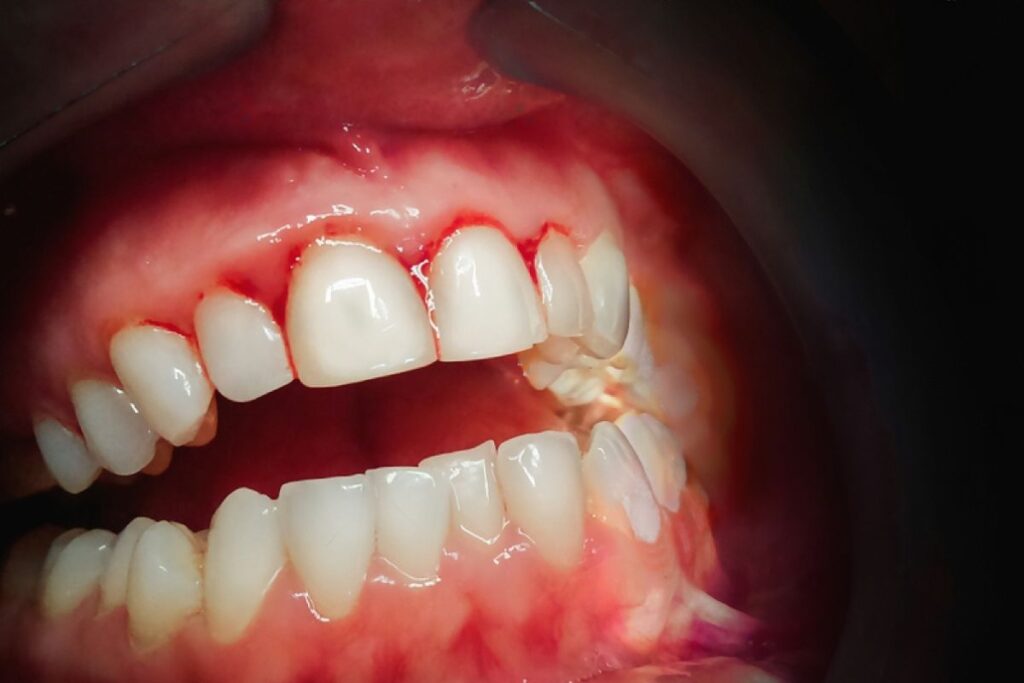
Periodontic dentistry or Periodontics especially focuses on diagnosing, preventing, and treating conditions affecting the gums and the supporting structures of the teeth. A periodontist is a dental specialist trained to manage and treat gum disease, from mild gingivitis to severe periodontitis.
These specialists are skilled in procedures such as periodontal surgery, which restores gum health and prevents further damage. Through early intervention, periodontal specialists help patients avoid the progression of gum diseases that can lead to tooth loss and systemic health issues.
The Link Between Periodontal Disease and Systemic Health
Recent research has shown a strong link between gum disease and systemic health conditions. This connection underscores the importance of treating gum disease early to avoid serious health complications. Here’s how periodontal issues might affect your body:
Diabetes
Diabetes and gum disease share a bidirectional relationship. Poor blood sugar control can worsen gum disease, making it harder to control blood sugar levels. Inflammation caused by infected gums may interfere with the ability to use insulin effectively. It leads to higher blood sugar levels and more severe diabetes complications.
Respiratory Disease
When left untreated, gum disease can increase the risk of respiratory infections. Bacteria from the mouth can be inhaled into the lungs, potentially causing conditions such as pneumonia or bronchitis. People with gum disease may be more susceptible to these respiratory conditions, especially if they have other underlying health issues.
Cancer
Several studies suggest a potential link between gum disease and certain types of cancer, particularly oral, esophageal, and pancreatic cancer. Inflammation caused by gum disease can affect immune function and increase the risk of cancer development. While more research is needed, maintaining oral health is believed to reduce the risk of some cancers.
Alzheimer’s Disease
Gum disease has been associated with an increased risk of Alzheimer’s disease and other forms of dementia. Inflammation from gum infections may contribute to brain inflammation, which can damage neurons and lead to cognitive decline. Good oral hygiene and treatment for gum disease may help lower the risk of mental disorders as we age.
Periodontal Problems and Pregnancy
Pregnancy can complicate gum disease, as hormonal changes make the gums more susceptible to infection. Pregnant women with gum disease are at higher risk of developing complications such as preterm birth or low birth weight. Regular dental checkups and early treatment are essential for pregnant women to avoid these risks.
The link between periodontal health and systemic health is undeniable. By maintaining healthy gums, you not only protect your smile but also safeguard your overall health. Gum disease has far-reaching consequences, from increasing the risk of chronic conditions to potentially complicating pregnancy. Addressing dental concerns promptly is critical in reducing these risks. A simple yet effective way to prevent gum disease from affecting your body is through consistent care and timely intervention.
If you’re concerned about your gum health and its impact on general well-being, seek advice from a periodontist in Arcadia. At The Ivy Institute – Dental Specialists and Pain Management, we offer expert care and personalized treatments for your oral care. Contact us today to schedule a consultation and take the first step toward better health.