The Timeline of a Root Canal Procedure: Complete Guide By an Endodontist


A root canal procedure can prevent the extraction of a severely damaged or infected tooth. Gaining an understanding of the timetable for a root canal treatment can ease your anxiety and help you know what to anticipate. Our talented endodontists at The Ivy Institute in Arcadia, California are committed to giving you the best care and making sure your treatment goes smoothly.
Initial Consultation and Examination
Scheduling Your Appointment
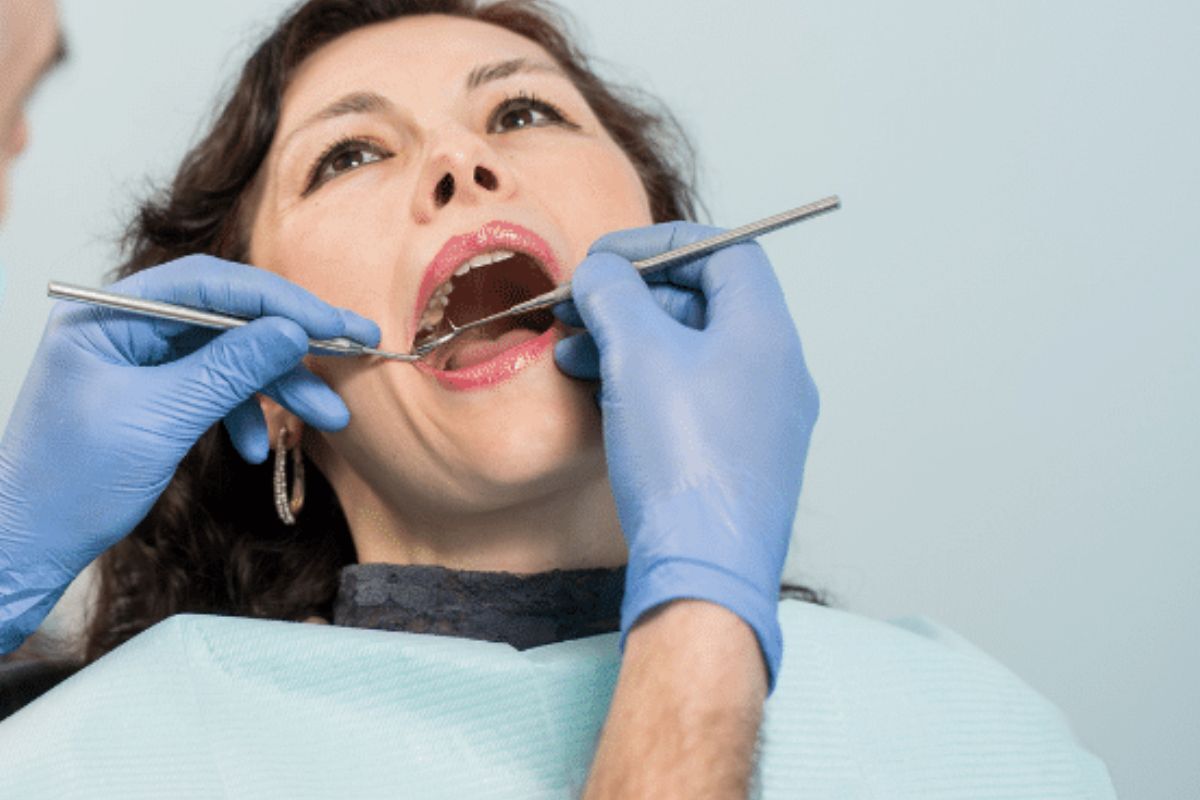
Your journey begins with scheduling an appointment with an endodontist. Your tooth will be thoroughly examined by the endodontist, who may also order X-rays to determine the extent of the infection or damage. In order to arrange the surgery and determine whether a root canal is necessary, this initial consultation is essential.
Discussing the Procedure
During your consultation, the endodontist will explain the root canal process, answer any questions you may have, and discuss any necessary preparations.You might feel more at ease and be sure you’re ready for the treatment if you know what to expect from the operation and its advantages.
The Day of the Procedure
Administering Anesthesia
On the day of the procedure, the endodontist will begin by administering local anesthesia to numb the affected area. This step ensures that you remain comfortable and pain-free throughout the process. For patients with dental anxiety,
additional sedation options may be available to help you relax.
Accessing the Tooth
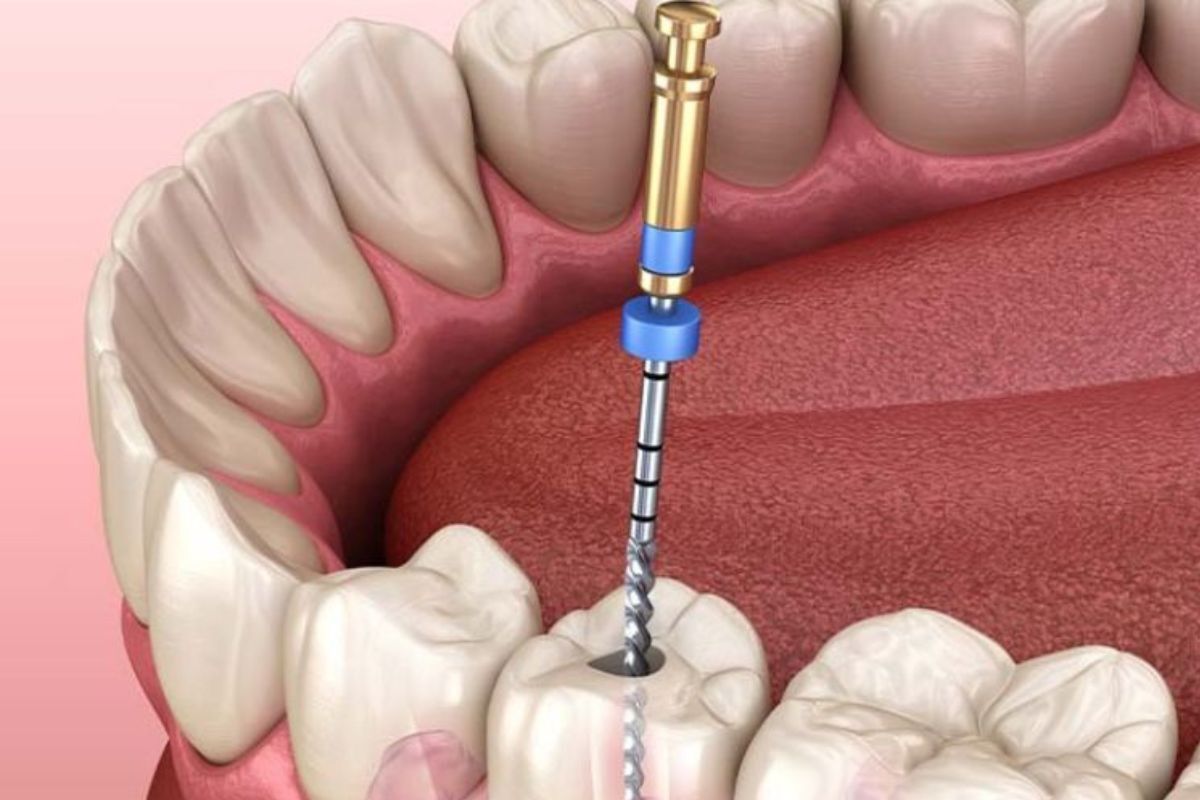
The endodontist will make a tiny incision in the tooth’s crown once the anesthesia wears off to provide access to the injured or infected pulp. The endodontist will carefully remove the infected pulp tissue from the tooth’s root canals using specialist equipment.
Cleaning and Shaping the Canals
After removing the infected tissue, the endodontist will meticulously clean and shape the root canals to prepare them for filling. To make sure that all germs and debris are removed, this stage uses irrigation solutions and microscopic files. Maintaining the long-term success of the root canal and avoiding further infections depend on thorough cleaning.
Filling the Canals
After cleaning and shaping the canals, the endodontist will fill them with gutta-percha, a biocompatible substance. This substance, which resembles rubber, plugs the canals to stop bacteria from returning and infecting new areas. After that, the endodontist will put a temporary filling in the tooth to keep it safe until the permanent replacement is placed.
Post-Procedure Care and Follow-Up
Managing Discomfort
Following a root canal operation, moderate soreness or sensitivity is common. You will receive comprehensive post-operative instructions from your endodontist, which will cover everything from how to take over-the-counter pain medicines to maintaining good dental hygiene. Most patients find that any discomfort subsides within a few days.
Permanent Restoration
For the purpose of strengthening and protecting the treated tooth, you will typically need to visit your general dentist again in order to receive a permanent restoration, like a crown. Usually, this visit is set up a few weeks after the root canal treatment. Your endodontist will provide you with specific recommendations and work closely with your general dentist to ensure a seamless transition.
Follow-Up Visits
Maintaining the health of your tooth and tracking its healing process require routine follow-up appointments with your endodontist. These visits allow the endodontist to address any concerns, check for signs of infection, and verify that the permanent restoration is functioning properly.
Long-Term Success of Root Canal Treatment
Maintaining Oral Hygiene
Maintaining excellent oral hygiene is crucial for the long-term success of your root canal treatment. Brush and floss your teeth regularly, and use an antibacterial mouthwash to help keep your mouth free of harmful bacteria. Good oral hygiene practices will help protect the treated tooth and prevent future infections.
Regular Dental Checkups
Regular dental checkups are essential for monitoring the health of your teeth and gums. Your dentist will check the treated tooth during routine visits to ensure that it remains healthy and free of infection. If any issues arise, your dentist can address them promptly to prevent complications.
Lifespan of a Root Canal
With proper care, a tooth that has undergone a root canal procedure can last a lifetime. Following your endodontist’s and dentist’s recommendations for oral care and regular checkups is key to maintaining the health and function of the treated tooth.
At The Ivy Institute in Arcadia, CA, our endodontists are committed to providing exceptional care and ensuring the best possible outcomes for our patients. By understanding the timeline of a root canal procedure and what to anticipate, you can approach your treatment with confidence and peace of mind. If you suspect you need a root canal or have any questions about the procedure, don’t hesitate to contact us for a consultation.n Arcadia, CA, our skilled endodontists are dedicated to providing exceptional care and making your experience as comfortable as possible. If you have any concerns or need to schedule a root canal, don’t hesitate to contact us. Your oral health is our priority, and we are here to support you every step of the way.