When Does a Dentist in Arcadia Suggest Root Canal Therapy?

Root canal therapy is a common dental procedure that many people encounter at some point in their lives. While the thought of it can seem daunting, understanding when and why it is recommended can help alleviate concerns. At The Ivy Institute, our expert Arcadia dentist ensures patients receive the best care possible, explaining the procedure and its necessity thoroughly. Let’s dive into when a dentist may suggest root canal therapy in Arcadia and why it might be the best solution for your dental health.
What Is Root Canal Therapy?
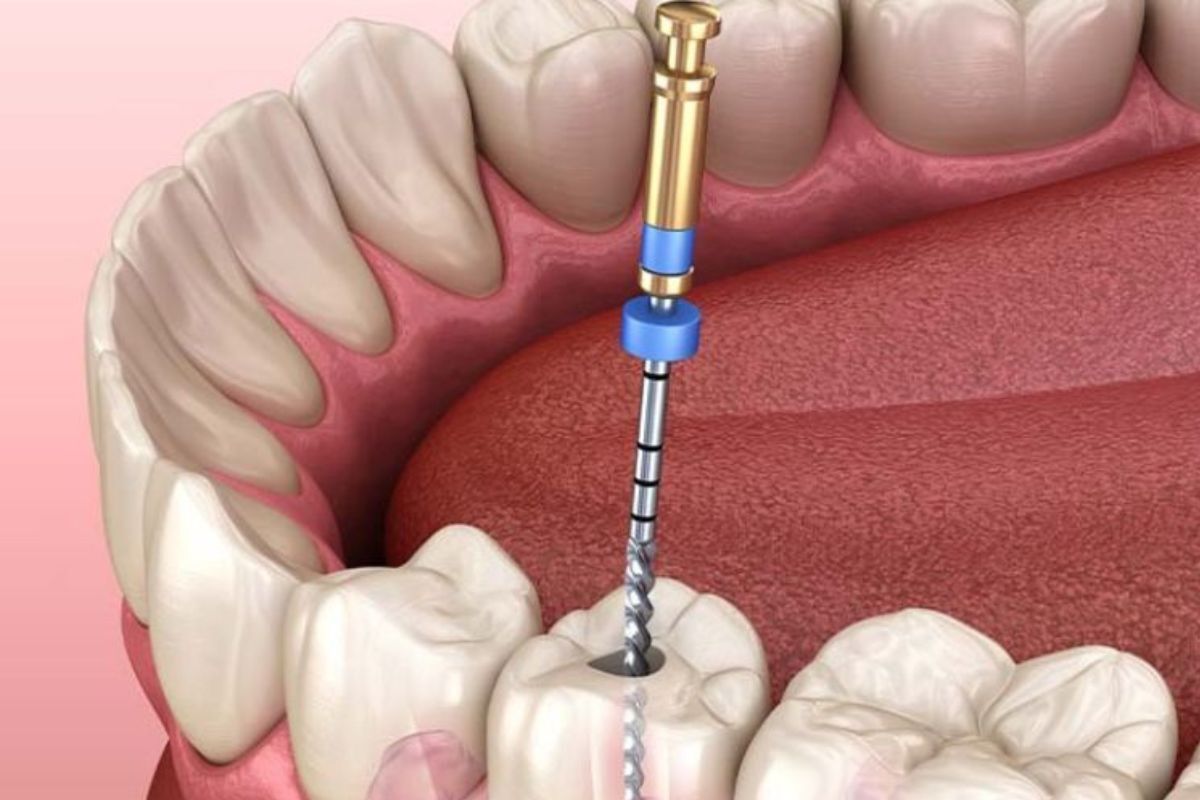
The goal of root canal therapy is to remove a tooth’s damaged or infected pulp. When this pulp becomes infected, it can cause excruciating pain and swelling since it contains nerves, blood vessels, and connective tissues. The goal of the procedure is to save the natural tooth by cleaning out the infected pulp, disinfecting the area, and filling the space with a biocompatible material. By preserving the natural tooth, this treatment helps maintain proper chewing function and the appearance of your smile.
Common Reasons for Root Canal Therapy
Several dental issues can lead a dentist to recommend root canal therapy:
- Severe Tooth Pain
If you experience intense pain while chewing or biting, it may be due to an infected tooth pulp. The discomfort might feel sharp or throbbing and may even radiate to your jaw or ear. In such cases, your Arcadia dentist will assess the situation to determine if the pain is caused by infection, and if so, whether a root canal is necessary. - Persistent Sensitivity
A tooth may have injured nerves if it is continuously sensitive to hot or cold temperatures, even if the source of the temperature fluctuation is eliminated. This prolonged sensitivity is often a sign that the tooth pulp is inflamed or infected. A root canal could be recommended by your dentist to treat the issue before it gets worse. - Swelling and Gum Tenderness
An infection in the tooth pulp can lead to swelling in the surrounding gum tissues. If left untreated, this can develop into an abscess, a serious condition that may spread to other areas of the mouth and jaw. If you notice tenderness, swelling, or pus around a tooth, your dentist may recommend root canal therapy in Arcadia to eliminate the infection and prevent further complications. - Tooth Discoloration
Sometimes, an infected or dying tooth pulp causes discoloration. If a tooth appears dark or gray, it could mean that the nerve inside is damaged. In such cases, a dentist might suggest a root canal to remove the dead tissue and save the tooth.
When Should You Visit Your Arcadia Dentist?
It’s crucial to visit your dentist if you experience any of the above symptoms. A timely diagnosis can stop the infection from growing and creating more serious problems.. At The Ivy Institute, we use state-of-the-art diagnostic tools to identify problems accurately and recommend the most effective treatment options.
The Benefits of Root Canal Therapy
While the thought of a root canal may seem intimidating, the procedure offers several benefits:
- Pain Relief: The main objective is to get rid of the infection’s pain so you may enjoy eating and drinking without any discomfort.
- Tooth Preservation: Root canals help save your natural tooth, which is essential for maintaining the structure of your jaw and overall dental health.
- Aesthetic Restoration: After the procedure, a crown or filling is placed to restore the tooth’s appearance and function.
A root canal is often necessary when the inner pulp of a tooth becomes infected or damaged. Symptoms such as severe pain, prolonged sensitivity, and gum swelling are signs that you may need this treatment. The Ivy Institute, your trusted Arcadia dentist, ensures that the procedure is as comfortable as possible, helping you achieve lasting dental health and relief from pain.If you’re experiencing any symptoms that might indicate a need for root canal therapy, don’t hesitate to contact The Ivy Institute. Early intervention can save your tooth and restore your smile.