Do Root Canals Hurt? Separating Fact from Fiction


Have you ever felt a sharp twinge in your tooth that makes you dread a trip to the dentist? Stories about dental procedures often spread fear faster than facts. Root canals top that list for many. But what if the reality is far less scary? This post dives into the truth, easing worries with clear insights. You’ll learn what happens during treatment and why it’s often a relief, not a nightmare.
Understanding Root Canal Therapy
Root canal therapy treats infected or damaged tooth pulp. The pulp sits inside your tooth, holding nerves and blood vessels. Infection here can cause severe discomfort. Dentists remove the infected part to save the tooth.
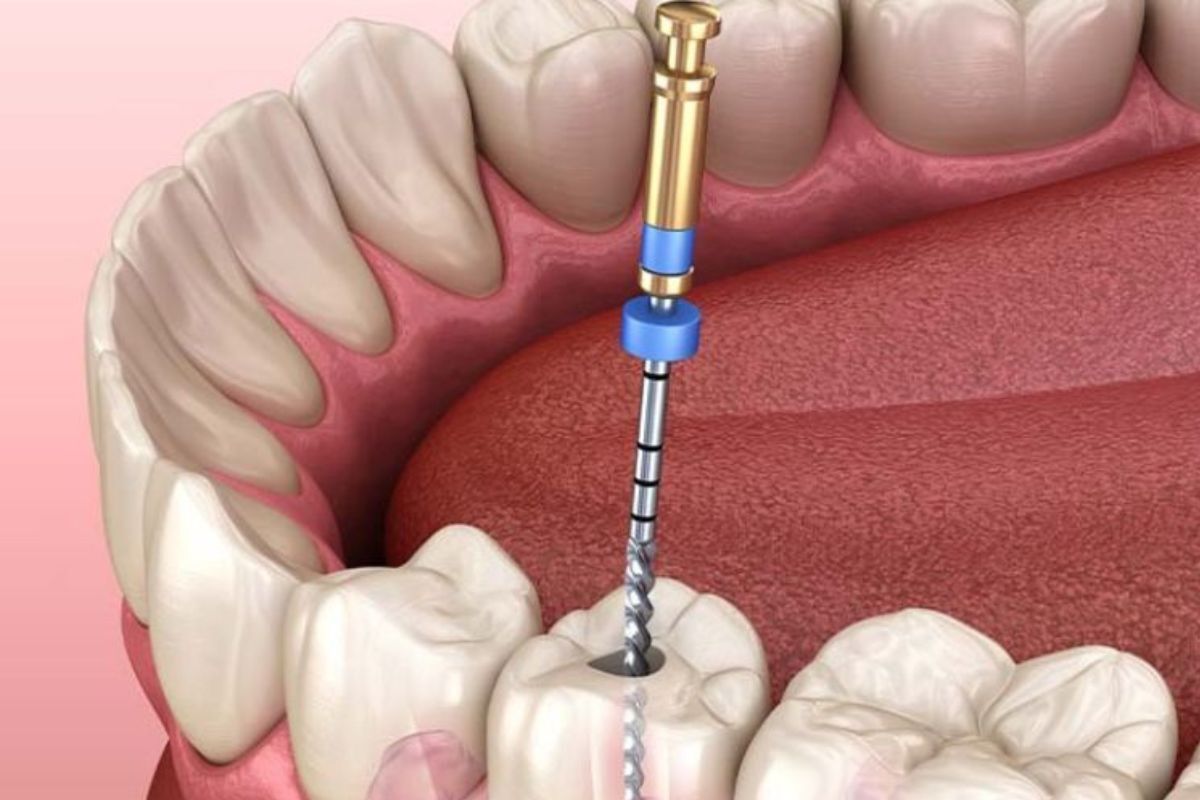
The process starts with X-rays to assess damage. Then, local anesthesia numbs the area. A small opening allows access to the pulp chamber. Tools clean out the infection. After shaping the canals, a rubber-like material fills them. A seal protects against future issues.
Endodontists specialize in this work. They train extra years beyond dental school. Their skills ensure precise care. In places like Arcadia, specialists use advanced tools for better results.
Modern tech improves outcomes. Cone beam CT scans give 3D views. Devices like GentleWave clean canals thoroughly. These reduce risks and speed healing.
Common Myths About Root Canals
Myths cloud the truth about root canals. Let’s clear them up one by one.
Myth 1: Root Canals Cause Intense Pain
Many think root canals hurt badly. That’s outdated. Anesthesia makes the procedure comfortable. Most feel only pressure, like during a filling.
The real pain comes from the infection before treatment. Removing it brings relief. Studies show low pain during the process.
Myth 2: It’s Better to Pull the Tooth
Some believe extraction is simpler. But saving your natural tooth is best. It keeps your bite aligned and jaw strong. Replacements like implants involve more steps.
Root canals preserve function. They let you chew normally without gaps.
Myth 3: Root Canals Lead to Illness
Old rumors link root canals to body-wide diseases. No science backs this. The American Association of Endodontists confirms safety. Treated teeth don’t spread infection.
Focus on facts from experts. This builds trust in the procedure.
What to Expect During the Procedure
Prep starts with a checkup. Your dentist explains each step. On the day, you get numb. A rubber dam isolates the tooth.
The dentist drills a small hole. They remove pulp and clean canals. Files shape them smoothly. Irrigation flushes debris.
Filling follows with gutta-percha. A temporary cap protects until a crown fits. The visit lasts one to two hours.
Most report little discomfort. Relaxing techniques help if anxious.
For those needing specialized care, root canal therapy in Arcadia, CA, offers access to experienced endodontists using state-of-the-art methods.
Managing Discomfort After Treatment
Some soreness follows. It’s normal and mild. Over-the-counter meds ease it. Avoid hard foods at first.
Swelling might occur. Ice helps. Keep the area clean. Brush gently.
Pain usually fades in days. Call if it worsens. Follow-up ensures healing.
Good habits prevent future issues. Brush twice daily. Floss regularly. See your dentist often.
Root Canal Success Statistics
Data shows root canals work well. Here’s a quick look:
| Aspect | Statistic | Source |
|---|---|---|
| Overall Success Rate | 85-95% | American Association of Endodontists |
| Tooth Survival After 10 Years | Up to 97% | Clinical Oral Investigations Study |
| Persistent Pain Frequency | 5-7% | Journal of Endodontics |
| Retreatment Success | Around 90% | Endodontic Specialists |
These numbers highlight reliability. High rates mean lasting results.
Trending FAQs on Root Canals
People often search for answers online. Here are common questions from Google searches, with clear responses:
- Are root canals painful?
No, modern anesthesia keeps it comfortable. The procedure relieves existing pain from infection. - How long does pain last after a root canal?
Mild soreness may linger for a few days to a week. It usually subsides with rest and meds. - What are signs of infection after a root canal?
Watch for swelling, fever, or pus. Severe pain signals a need to see your dentist right away. - Do root canals hurt more than fillings?
Not typically. Both use numbing, but root canals address deeper issues for greater relief. - Can a root canal fail?
Rarely, but if it does, retreatment or other options fix it. Success is high with proper care.
These address top concerns. Knowledge reduces fear.
Taking action early prevents bigger problems. Listen to your body. Tooth sensitivity or swelling? Get checked soon.
If you are searching for an endodontist near you, local specialists can guide you through options with ease.
In summary, root canals offer a safe path to pain-free smiles. They save teeth and boost health.
Ready to address that nagging tooth? Call (626)-445-8530 to schedule an appointment today.
Don’t let myths hold you back. Embrace the facts for a brighter, healthier future. Your smile deserves it.