What Factors Can Cause a Dental Implant to Fail?

Imagine investing in a confident smile, only to face unexpected setbacks. Dental implants offer a transformative solution for missing teeth. Yet, like any medical procedure, they aren’t foolproof. Failure can happen, but knowledge is your best defense. In this guide, we’ll unpack the key culprits behind implant issues. You’ll gain practical tips to safeguard your investment. Let’s dive in and empower you with insights that keep your smile thriving.
Understanding Dental Implant Failure: Early vs. Late
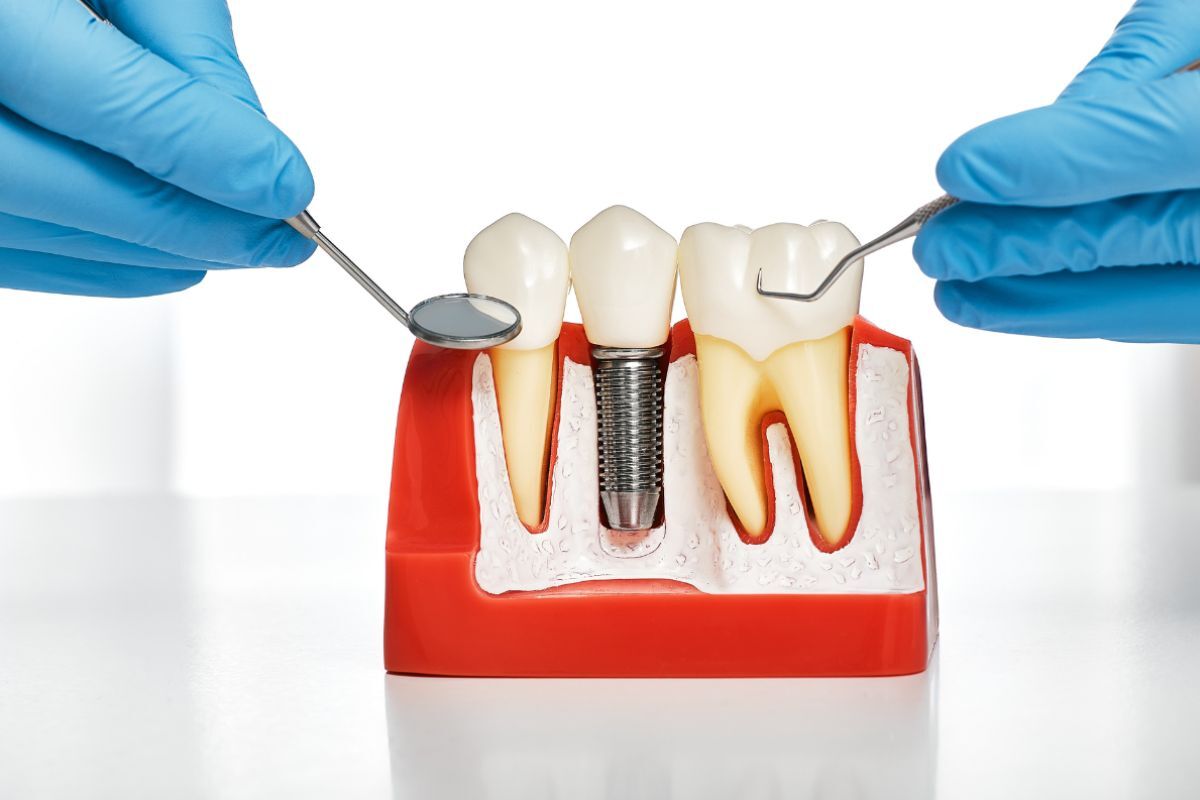
Dental implants fuse with your jawbone through osseointegration. This process anchors the post securely. Failure disrupts this bond. Early failure strikes within months, often from surgical issues. Late failure emerges years later, tied to ongoing habits.
Success rates hover around 95% over a decade. But complications like peri-implantitis affect up to 20% of cases. Here’s a quick stats overview:
| Factor | Failure Rate Impact | Key Stat Source Insight |
|---|---|---|
| Overall Implant Failure | 2-5% early; up to 10% late | Studies show 95-97% success at 10 years |
| Smoking/Tobacco Use | Increases risk by 2x | Doubles early failure odds |
| Peri-implantitis | Affects 15-23% | Leading late complication |
| Uncontrolled Diabetes | 3-4x higher risk | Impairs healing |
| Bruxism/Teeth Grinding | Up to 30% higher | Causes micromovement |
These numbers highlight why prevention matters. Spot trends early to act fast.
Common Factors Leading to Dental Implant Failure
Several everyday elements can undermine your implant. Awareness turns risks into manageable steps. Let’s break them down.
Poor Oral Hygiene: The Silent Saboteur
Neglect starts small. Plaque buildup invites bacteria. This leads to infection around the implant site. Gingivitis escalates to peri-implantitis. Gum recession follows, loosening the fixture.
Brush twice daily with a soft toothbrush. Floss around the implant base. Use antimicrobial rinses. Schedule cleanings every six months. These habits cut infection risks by half. Your implant thrives on consistent care.
Smoking and Tobacco Use: A Healing Hazard
Nicotine constricts blood vessels. It starves tissues of oxygen. Healing slows, raising early failure odds. Smokers face double the complication rate.
Quit before surgery if possible. Post-op, avoid tobacco for at least three months. Nicotine patches help some transition. Better circulation means stronger osseointegration. Breathe easier—literally—for lasting results.
Uncontrolled Medical Conditions: Hidden Health Hurdles
Diabetes tops the list. High blood sugar delays wound closure. Autoimmune disorders like rheumatoid arthritis inflame tissues. Osteoporosis weakens bone density.
Manage conditions tightly. Monitor glucose levels. Discuss meds with your doctor. Pre-surgery screenings catch issues early. Controlled health boosts success by 80%. Partner with specialists for seamless care.
Bruxism and Teeth Grinding: The Nighttime Nemesis
Clenching jaws exerts undue force. Implants can’t flex like natural teeth. Micromovement prevents fusion. Night guards absorb pressure effectively.
Wear a custom mouthguard. Stress management techniques like meditation reduce grinding. Early detection via exams prevents cracks. Protect your investment—sleep soundly without worry.
In the upper jaw, bone density often poses challenges. Maxillary sites fail more due to softer structure. Bone grafting strengthens foundations. Advanced imaging ensures precise placement.
Bone Quality and Surgical Precision: Foundational Flaws
Jawbone health is paramount. Low density or volume can’t support loads. Poor impressions lead to misalignment. Overloading too soon stresses the site.
Opt for 3D scans pre-op. Allow full healing—three to six months typically. Choose experienced surgeons. Precision placement slashes failure by 40%. Solid bones mean stable smiles.
Allergic reactions to metals are rare but real. Titanium suits most, but sensitivities occur. Test materials beforehand. Nerve damage from improper angles causes numbness. Vigilant pros minimize these.
Lifestyle and Placement Pressures: Overlooked Overloads
Excessive force from habits like nail-biting adds strain. Ill-fitted prosthetics distribute unevenly. Immediate loading risks early shifts.
Ease into normal chewing. Follow bite adjustment schedules. Regular check-ups monitor alignment. Balanced forces extend implant life.
Sleep disorders introduce unique strains. Obstructive sleep apnea often pairs with bruxism. CPAP masks apply constant pressure. This can dislodge fixtures over time. For those exploring dental implants for sleep apnea as part of oral appliance therapy, monitoring jaw stress is key. Integrated treatments address both breathing and bite issues holistically.
Trending FAQs on Dental Implant Failure
People often turn to search engines with pressing questions. Based on common Google queries, here’s what tops the list—with straightforward answers.
- What is the most common cause of dental implant failure? Poor oral hygiene leads the pack. It sparks peri-implantitis in 15-20% of cases. Daily brushing and flossing prevent most issues.
- How common is dental implant failure? Rare overall—95% succeed long-term. Early failures hit 2-5%, late ones under 10%. Risks rise with smoking or diabetes.
- What are the signs of a failing dental implant? Watch for pain, swelling, gum recession, or loose feeling. Mobility or bad taste signals trouble. See your dentist promptly.
- Can a failed dental implant be replaced? Yes, in most cases. After healing, a new one often succeeds. Address root causes first for better odds.
- How can I prevent dental implant failure? Prioritize hygiene, quit smoking, manage health conditions, and wear guards for grinding. Routine visits catch problems early.
These insights answer real curiosities. Knowledge empowers prevention.
If you’re in a vibrant area like Southern California, local expertise shines. For residents seeking dental implants in Arcadia, CA, tailored care addresses regional bone variations from diverse diets. Community-focused practices emphasize follow-ups amid busy lifestyles.
Maintaining implants demands vigilance. Track changes daily. Journal habits for patterns. Apps remind you of hygiene routines. Empower yourself—small actions yield big rewards.
If you are searching for an implant dentist near you serving in Arcadia and nearby communities, look for board-certified pros with glowing patient stories. They blend tech like CBCT scans with compassionate guidance. Your journey deserves that support.
Dental implants restore more than teeth—they rebuild confidence. Failures are setbacks, not endpoints. Armed with these factors and fixes, you’re set for success. Prioritize health today. Smile brighter tomorrow. Ready to chat? Reach out—your perfect grin awaits.