Dental Implants in Arcadia: What Makes Someone a Good Candidate?

Replacing a missing tooth involves more than choosing a replacement that looks natural. The condition of the gums, jawbone, remaining teeth, and overall oral health all influence whether dental implants are appropriate.
For patients considering dental implants in Arcadia, the first step is usually a detailed evaluation rather than immediately scheduling implant surgery.
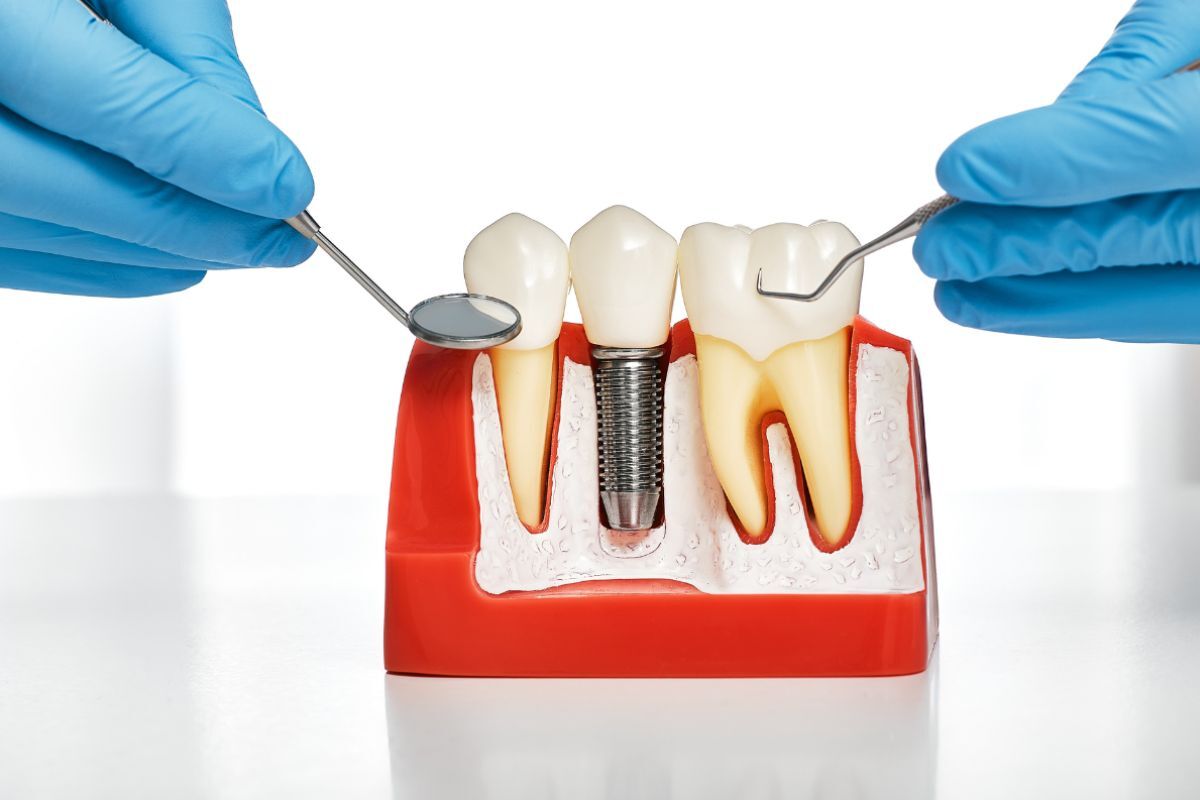
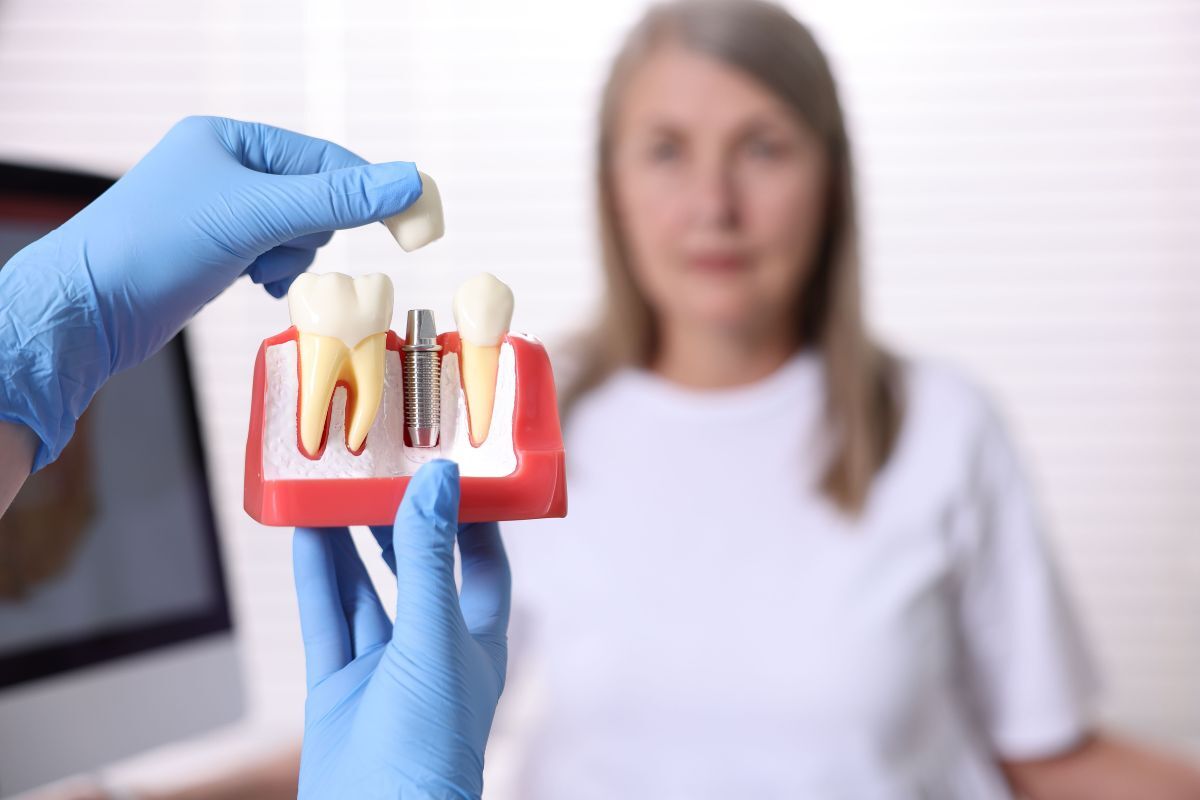
Dental implants are designed to replace the root portion of a missing tooth with a biocompatible implant that supports a restoration. The Ivy Institute’s periodontal team provides implant placement and works with patients to determine an appropriate restoration based on their individual needs.
What Makes Dental Implants Different?
A conventional tooth replacement can restore the visible portion of a missing tooth. An implant takes a different approach by replacing the tooth root as well.
The implant is surgically positioned in the jawbone. During healing, the surrounding bone can integrate with the implant, creating a stable foundation for the final restoration.
This makes implant treatment fundamentally different from a removable denture or traditional bridge.
Do You Need to Have Perfect Oral Health?
No, but active dental problems generally need to be addressed before implant treatment.
A successful treatment plan may require the dental team to evaluate:
- Gum health
- Jawbone volume and quality
- Remaining teeth
- Oral hygiene
- Existing infections
- Bite forces
- Medical history
- Smoking or tobacco use
The purpose of this evaluation isn’t to exclude patients. It helps identify factors that could interfere with healing or long-term implant stability.
Why Gum Health Matters Before Implant Placement
Healthy gums provide an important foundation for implant treatment.
Patients with untreated periodontal disease may have inflammation, infection, or bone loss around their natural teeth. Those conditions need to be controlled before proceeding with implant placement.
This is one reason periodontal specialists play an important role in implant dentistry.
A comprehensive evaluation can determine whether the gums and supporting structures are ready for treatment.
What About Jawbone Loss?
When a tooth has been missing for a long time, the surrounding jawbone may gradually change.
Because an implant requires adequate bone support, some patients may need additional treatment before placement.
Depending on the individual’s anatomy, this could involve bone grafting or another procedure designed to improve the implant site.
Not everyone needs grafting. Three-dimensional imaging and clinical examination help determine whether sufficient bone is available.
Can One Implant Replace One Missing Tooth?
Often, yes.
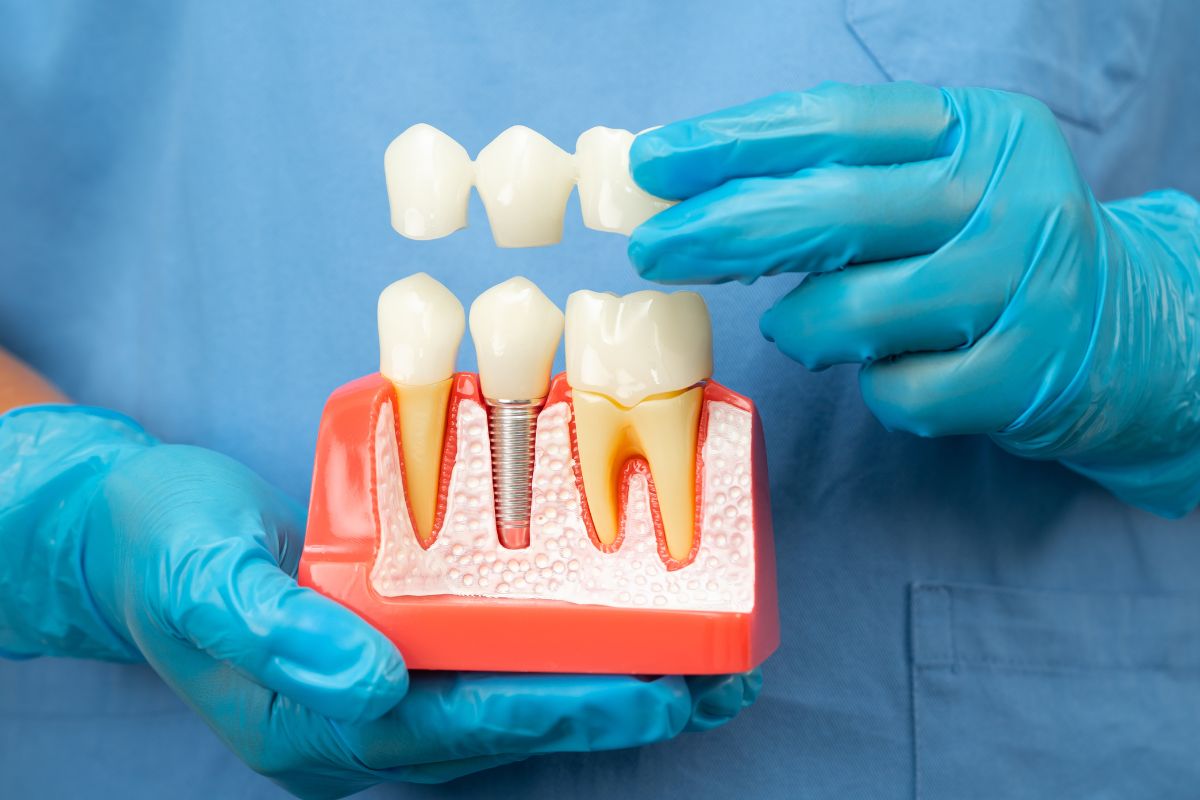
For a single missing tooth, an implant can support an individual crown without requiring neighboring teeth to serve as bridge supports.
For patients missing several teeth, the treatment strategy may be different. Multiple implants can sometimes support several replacement teeth, depending on the patient’s anatomy and treatment goals.
A consultation is necessary to determine the appropriate approach.
Does Age Determine Implant Candidacy?
Age alone doesn’t determine whether someone can receive dental implants.
Instead, clinicians consider factors such as:
- Bone development
- Oral health
- Medical history
- Healing ability
- Gum condition
- Treatment goals
For adults, implant candidacy is typically based more on overall oral and systemic considerations than on a specific maximum age.
Why a Personalized Implant Evaluation Matters
No two implant sites are exactly alike.
A front tooth may have different cosmetic and anatomical considerations from a back molar. Likewise, replacing one missing tooth is different from planning treatment for several missing teeth.
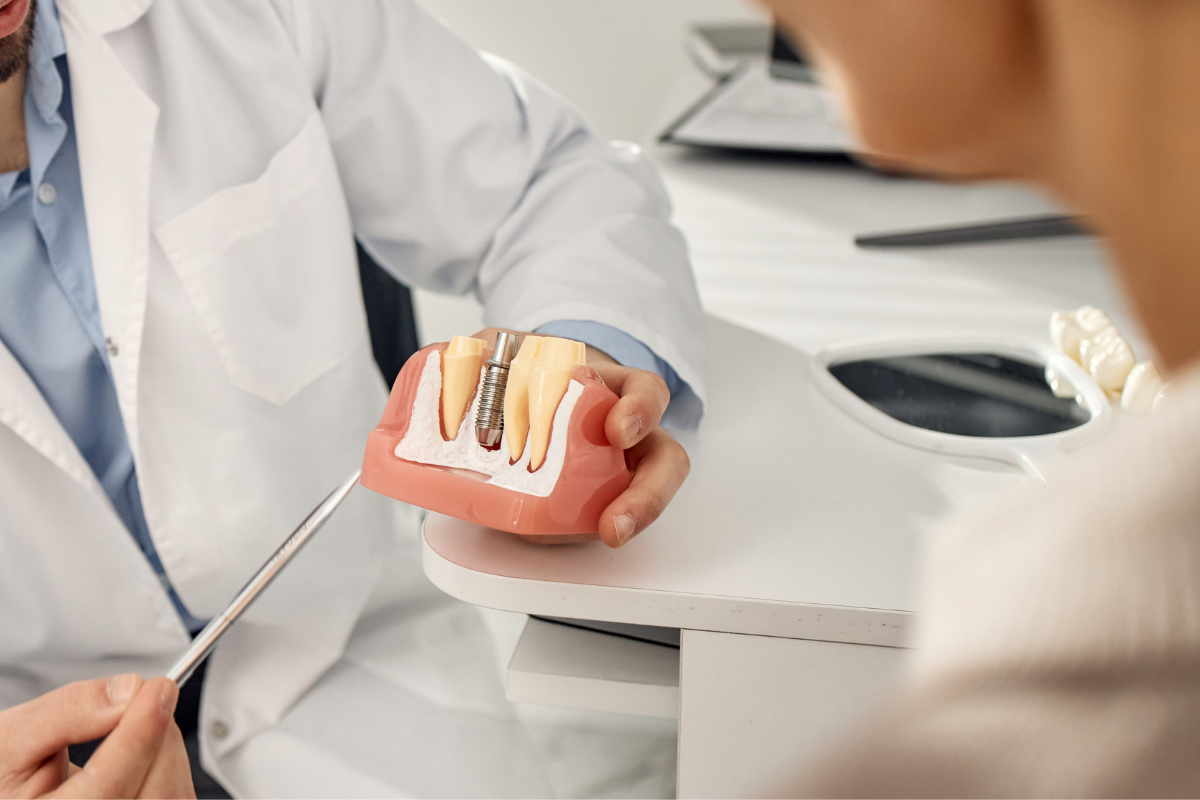
During an evaluation, your implant specialist may assess the missing-tooth area, surrounding teeth, gum tissue, bone, and bite.
The Ivy Institute’s implant services are provided through its periodontics specialty, with treatment planning based on the patient’s individual dental needs.
Questions to Ask Before Choosing Dental Implants in Arcadia
A consultation should be a two-way conversation.
Consider asking:
Is my bone adequate for an implant?
If not, ask whether bone grafting or another preliminary procedure could help.
Are my gums healthy enough?
Active periodontal disease may need treatment before implant placement.
Who will place the implant?
Ask about the provider’s specialty training and experience with implant surgery.
What restoration will be placed on the implant?
The final restoration may be a crown, bridge, or another prosthetic option depending on how many teeth are missing.
What maintenance will I need?
Implants don’t decay like natural teeth, but they still require professional care and excellent daily hygiene.
Why Localized Care Can Be Convenient
Choosing an implant specialist in Arcadia can make the treatment process easier when multiple visits are required.
Implant treatment may involve consultation, diagnostic imaging, surgical placement, healing, and restorative coordination. Having specialty care available locally can simplify communication and follow-up.
The Ivy Institute is located on West Huntington Drive in Arcadia and focuses on endodontic and periodontal specialty care.
The Bottom Line
Dental implants in Arcadia can be an effective way to replace missing teeth, but successful treatment begins with careful planning.
Bone quality, gum health, oral hygiene, medical history, and the location of the missing tooth all deserve attention before surgery.
If you’re considering an implant, don’t focus only on the final appearance. A comprehensive evaluation helps create a treatment plan designed around the health and anatomy of your mouth.
Contact The Ivy Institute in Arcadia, CA, to schedule an implant consultation and learn whether dental implants are appropriate for your individual situation.
FAQs
Who is a good candidate for dental implants?
Adults with adequate bone support, healthy or controlled gums, and suitable overall health may be candidates. A specialist must evaluate each patient individually.
Can I get dental implants if I have bone loss?
Possibly. Some patients with insufficient bone may benefit from bone grafting or other preparatory treatment before implant placement.
Do I need healthy gums before getting an implant?
Yes. Active gum disease should generally be addressed because healthy periodontal tissues are important for implant treatment.
Can dental implants replace several missing teeth?
They can. Depending on the number and location of missing teeth, multiple implants may support individual restorations, bridges, or other implant-supported solutions.
Does age prevent someone from getting dental implants?
Age alone is not usually the deciding factor. Oral health, bone condition, medical history, and healing considerations are more important.