How Arcadia, CA Periodontists Treat Receding Gums


Receding gums are a common dental concern that can lead to sensitivity, tooth decay, and even tooth loss if left untreated. Fortunately, a skilled periodontist in Arcadia, CA, can provide effective treatments to restore gum health and prevent further damage. Whether caused by gum disease, aggressive brushing, or genetics, receding gums require professional care. In this blog, we’ll explore the latest treatments, prevention tips, and expert insights to help you maintain a healthy smile.
Understanding Receding Gums
What Are Receding Gums?
Receding gums occur when the gum tissue pulls back, exposing more of the tooth or its root. This creates gaps where bacteria can accumulate, increasing the risk of infection.
Common Causes
- Gum disease (periodontitis) – The leading cause of gum recession.
- Aggressive brushing – Scrubbing too hard wears down gum tissue.
- Genetics – Some people are more prone to thin gums.
- Poor oral hygiene – Plaque buildup leads to gum inflammation.
- Hormonal changes – Especially in women, hormones can affect gum health.
Early detection is key. If you notice longer-looking teeth or increased sensitivity, visiting a “periodontist near me” can help diagnose and treat the issue before it worsens.
How Periodontists Diagnose Gum Recession
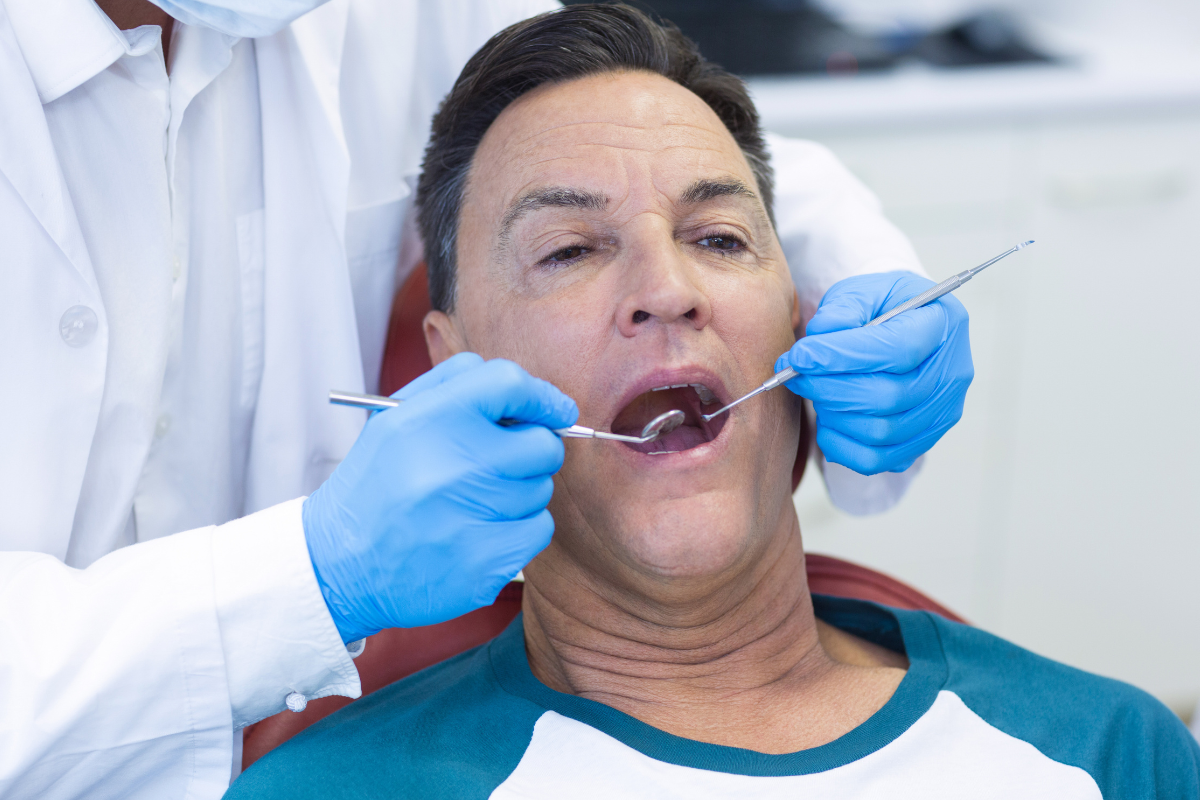
Before treatment, your periodontist will conduct a thorough examination:
1. Visual Inspection
They check for gum line changes, plaque buildup, and signs of inflammation.
2. Periodontal Probing
A small tool measures pocket depths between teeth and gums. Deeper pockets indicate gum disease.
3. X-rays
These reveal bone loss beneath the gums, helping determine the best treatment.
Effective Treatments for Receding Gums
1. Scaling and Root Planing (Deep Cleaning)
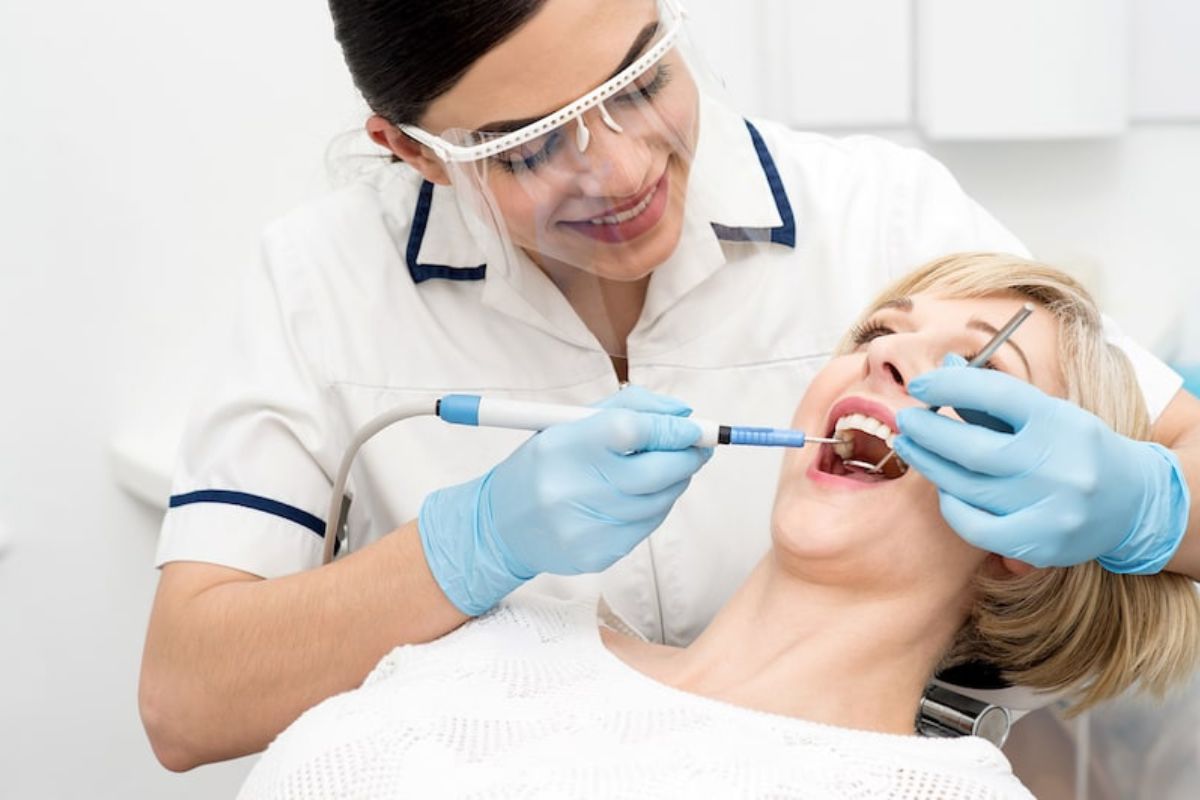
A non-surgical procedure where plaque and tartar are removed from below the gum line. The roots are smoothed to help the gums reattach.
2. Gum Grafting
For severe recession, a graft (using tissue from the palate or a donor) covers exposed roots. This reduces sensitivity and prevents further recession.
3. Pinhole Surgical Technique (PST)
A minimally invasive method where the periodontist loosens and repositions gum tissue over exposed roots. No stitches are needed, and recovery is quick.
4. Laser Therapy
Lasers remove infected tissue and promote gum regeneration with less discomfort than traditional surgery.
5. Antibiotic Therapy
If infection is present, antibiotics may be prescribed to eliminate bacteria and support healing.
Preventing Further Gum Recession
Proper Brushing Technique
Use a soft-bristled toothbrush and gentle, circular motions to avoid gum damage.
Floss Daily
Removes plaque between teeth where brushing can’t reach.
Regular Dental Checkups
Professional cleanings prevent tartar buildup, a major cause of gum disease.
Quit Smoking
Smoking weakens gum tissue and slows healing.
Wear a Mouthguard
If you grind your teeth, a custom guard protects your gums from excessive force.
Trending FAQs on Receding Gums
Here are some of the most frequently asked questions about gum recession:
1. Can receding gums grow back?
While gums don’t regenerate naturally, treatments like grafting can restore coverage.
2. How do I know if my gums are receding?
Look for longer teeth, sensitivity, or notches near the gum line.
3. Is gum recession reversible without surgery?
Early-stage recession can be managed with deep cleaning and improved oral care.
4. How long does gum graft recovery take?
Most patients heal within 1-2 weeks, with full recovery in a few months.
5. Can receding gums cause tooth loss?
Yes, if untreated, gum recession can lead to loose teeth or tooth loss.
Receding gums shouldn’t be ignored. With advanced treatments from a trusted periodontist in Arcadia, CA, you can protect your smile and maintain healthy gums. Whether through non-surgical deep cleaning or advanced grafting techniques, modern dentistry offers effective solutions. If you suspect gum recession, schedule a consultation today—your gums will thank you