Can Dental Implants Improve My Overall Oral Health?

If you’re missing one or more teeth, you’re not alone. Millions of people face the same challenge. And while there are several options available to restore your smile, dental implants stand out—not just for aesthetics, but for their powerful benefits to overall oral health. But how exactly do they help beyond just filling in a gap? Let’s explore how dental implants can actually enhance the long-term health of your mouth.
What Are Dental Implants?
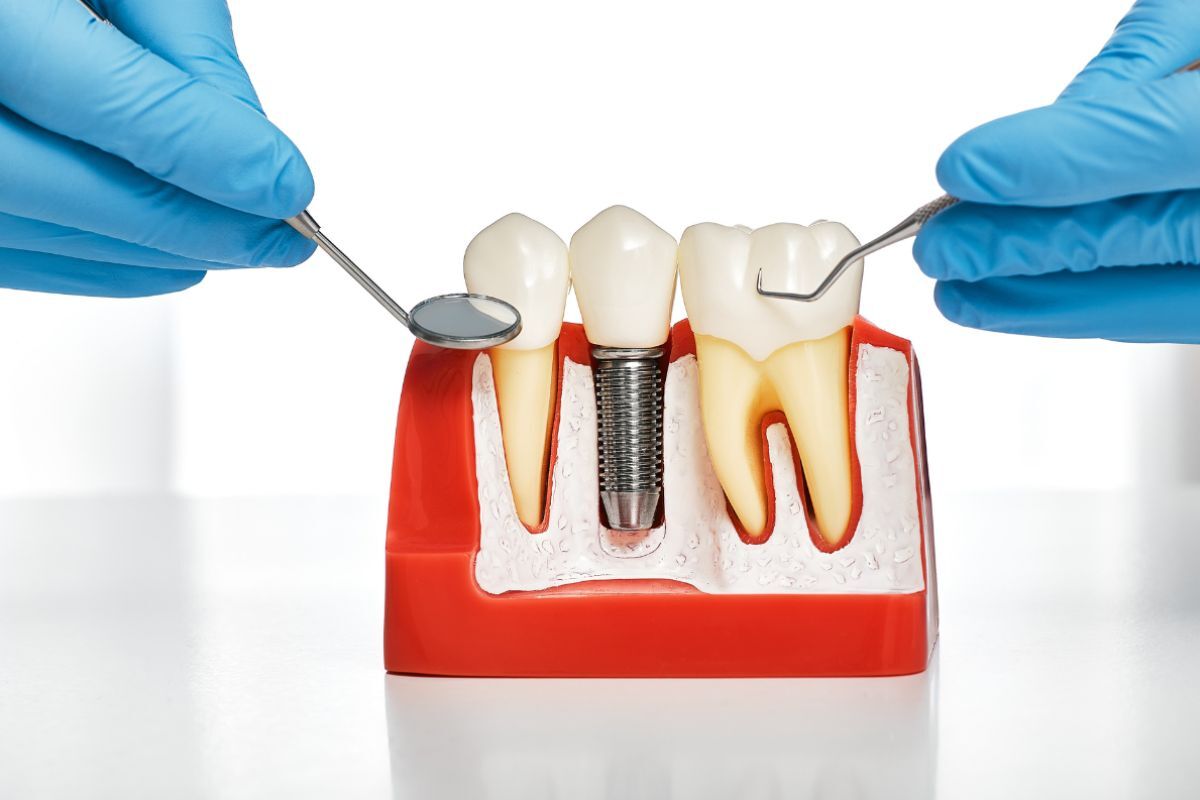
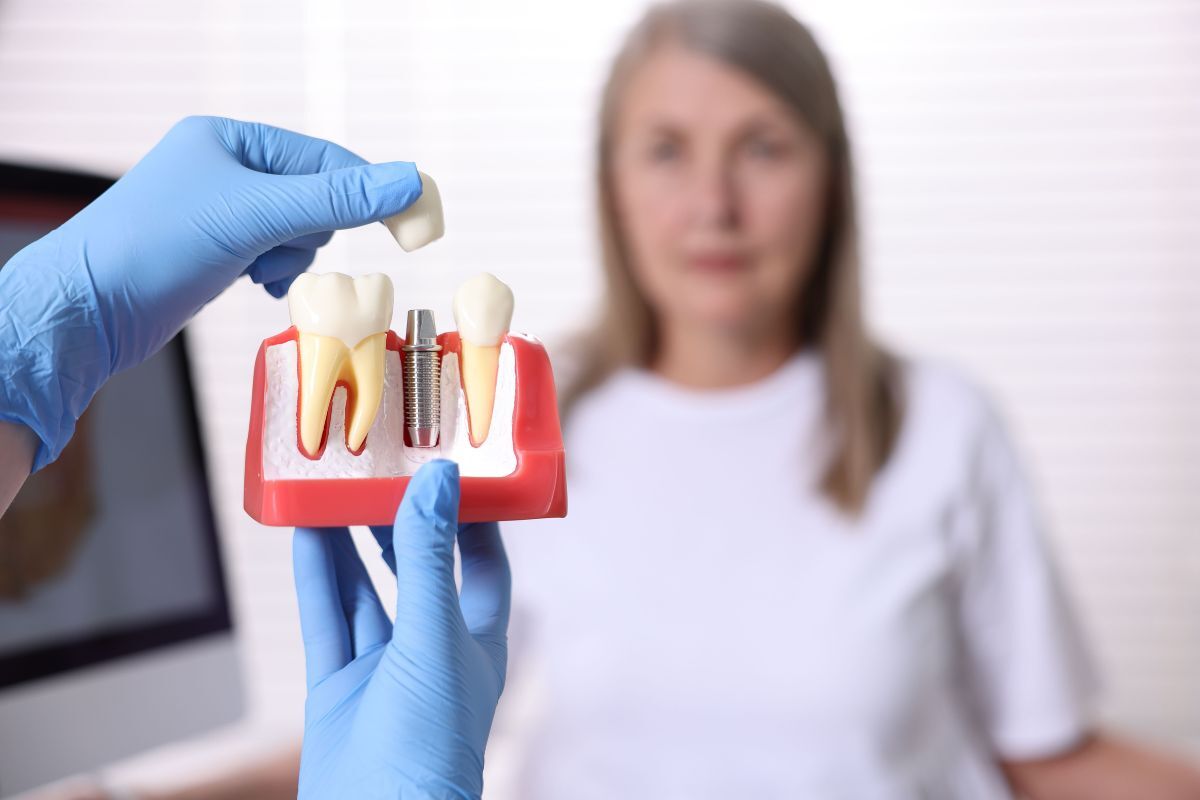
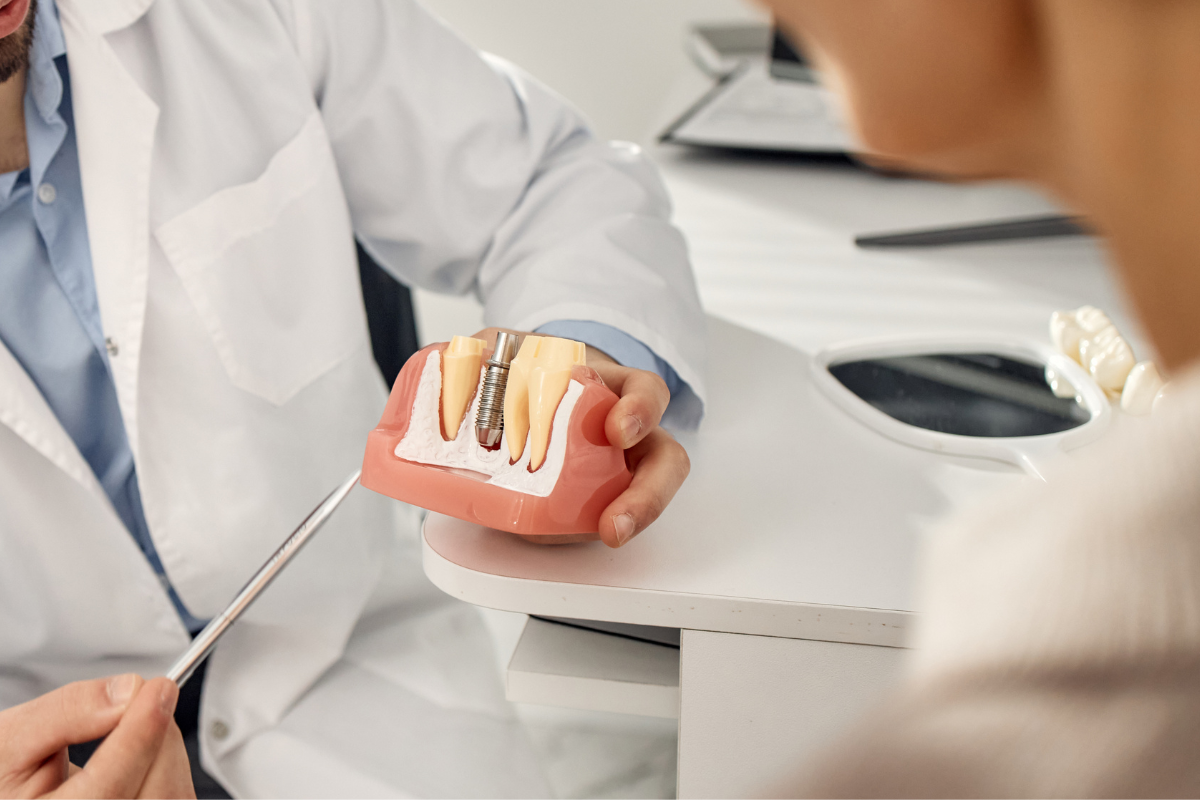
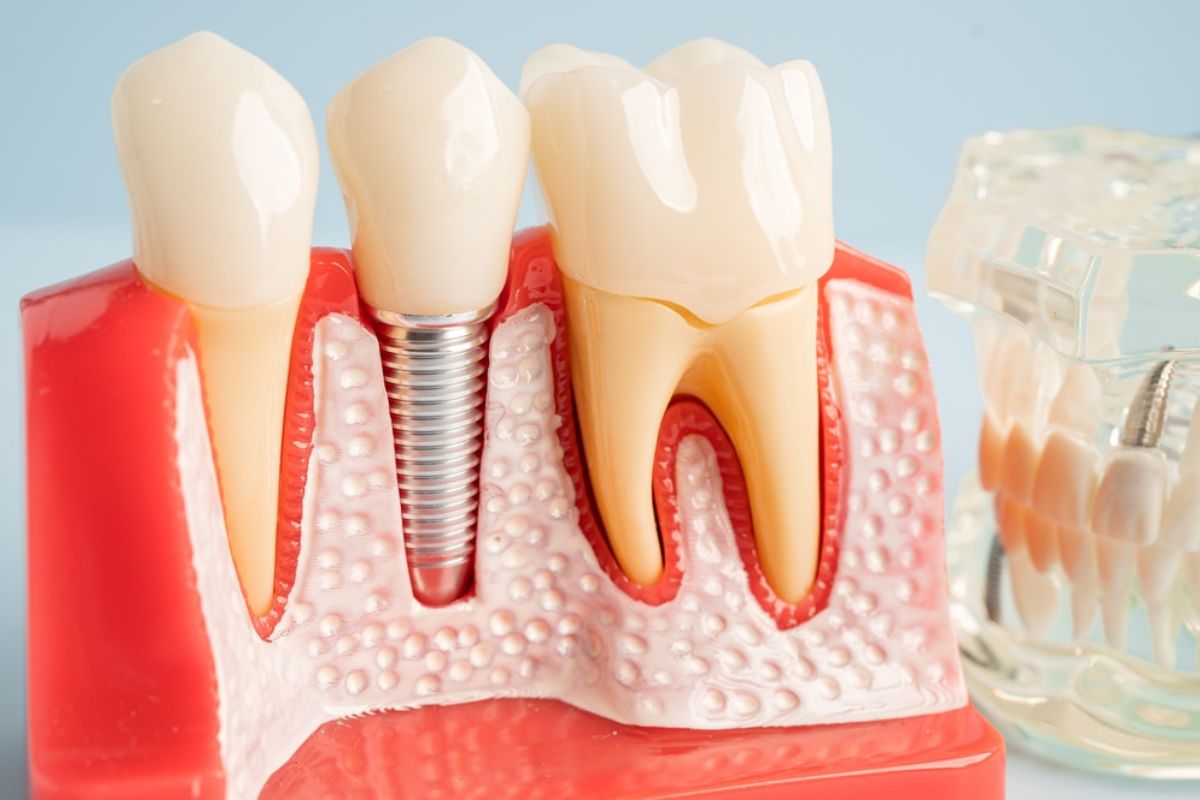
Dental implants are titanium posts surgically placed into the jawbone to serve as artificial tooth roots. Once the implant fuses with the bone, it supports a crown that looks and functions just like a natural tooth. Unlike dentures or bridges, implants offer a long-term solution that integrates into your oral structure, offering stability and reliability.
Replacing Missing Teeth Helps Prevent Further Dental Issues
When a tooth is lost and not replaced, several problems can arise. Nearby teeth may begin to shift into the empty space, leading to misalignment. This can cause bite problems, jaw discomfort, and uneven wear on teeth. Gaps in your smile can also trap food and bacteria, increasing the risk of gum disease and decay in surrounding teeth.
Dental implants act as placeholders, keeping your remaining teeth in place. This helps maintain the natural alignment of your bite and supports better long-term oral hygiene.
Supporting Jawbone Health and Structure
One of the most significant benefits of dental implants is their ability to preserve jawbone density. When a tooth is lost, the bone that once supported it begins to deteriorate over time due to lack of stimulation. This can result in facial sagging, premature aging, and further tooth loss.
Dental implants in Arcadia are designed to mimic the function of natural tooth roots, stimulating the jawbone and preventing bone loss. This not only maintains your facial structure but also supports healthy gums and surrounding teeth.
Enhancing Daily Oral Functions and Hygiene
Missing teeth can make chewing and speaking more difficult. Over time, you may start avoiding certain foods, which can affect your nutrition. With implants, you can eat and speak naturally again—without worrying about your teeth slipping or falling out, as might happen with removable dentures.
Because implants are securely anchored in the jawbone, they function like natural teeth, making daily oral care simple. Brushing, flossing, and regular check-ups are all you need to keep them in great shape—no special adhesives or soaking required.
A Boost in Confidence and Emotional Wellness
Oral health isn’t just physical—it has a major emotional component, too. People with missing teeth often feel self-conscious when smiling, speaking, or even eating in public. Dental implants restore your smile in a way that feels completely natural, helping boost self-esteem and confidence. That emotional comfort plays a key role in your overall well-being.
Dental implants don’t just improve your smile—they support the long-term health of your teeth, gums, and jaw. They can prevent bone loss, maintain alignment, and make everyday functions easier and more enjoyable. If you’re dealing with tooth loss and want a lasting solution that supports your entire oral system, it may be time to consult with a periodontist near you for a personalized treatment plan that fits your needs.