How Dental Implants in Arcadia Compare to Traditional Bridges

Losing a tooth affects more than appearance. It can change the way someone chews, speaks, and even how the surrounding teeth function over time. When parents begin learning about long-term oral health solutions, they often encounter various tooth replacement options and wonder how they compare. Understanding the differences can help families make informed decisions about maintaining a healthy smile.
What Is The Main Difference Between Dental Implants And Traditional Bridges?
Both options are designed to replace missing teeth, but they work differently.
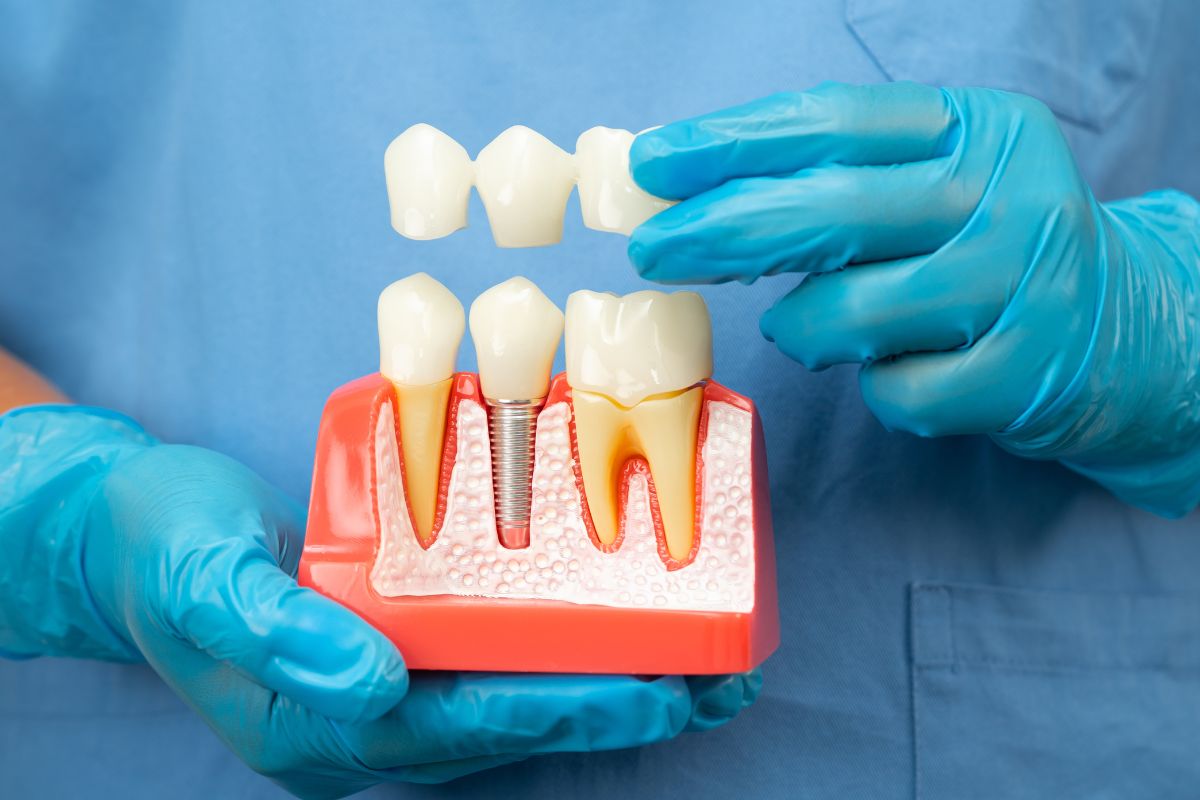
Traditional bridges rely on neighboring teeth for support. Healthy teeth on either side are prepared to hold an artificial tooth in place. This approach restores appearance and chewing ability, but it depends on surrounding teeth for stability.
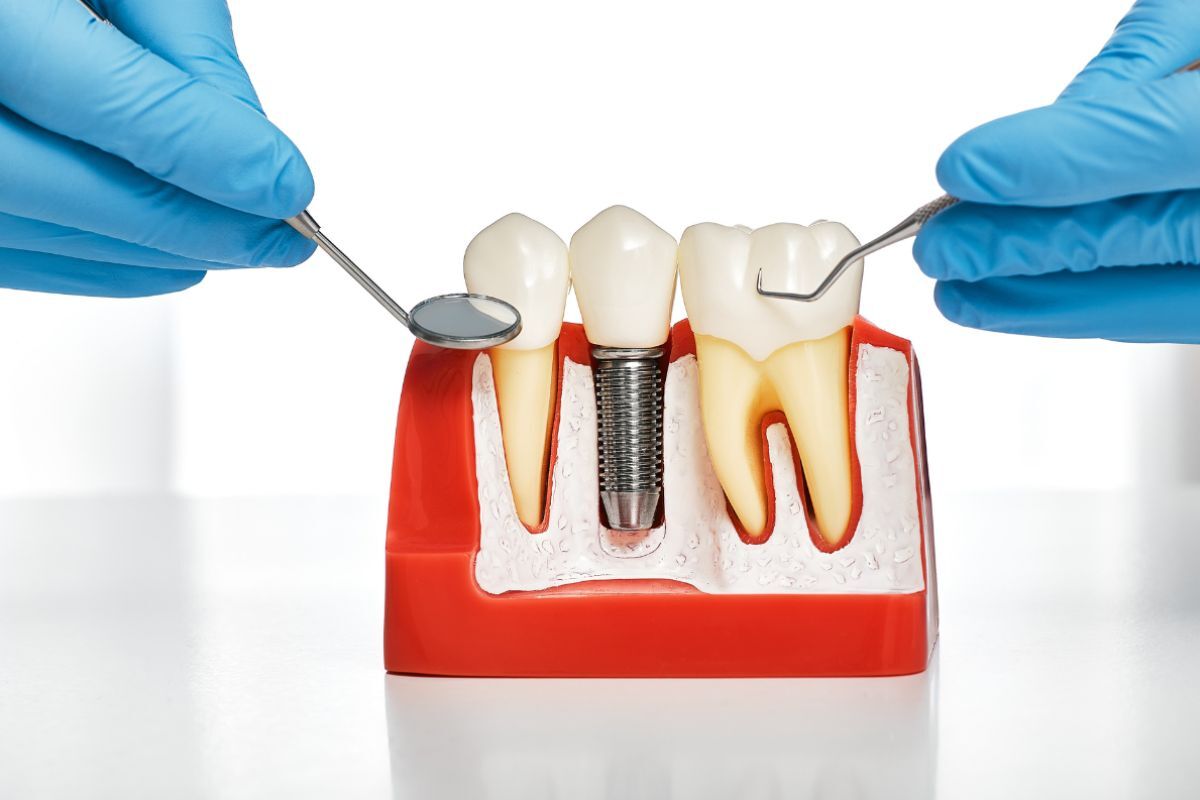
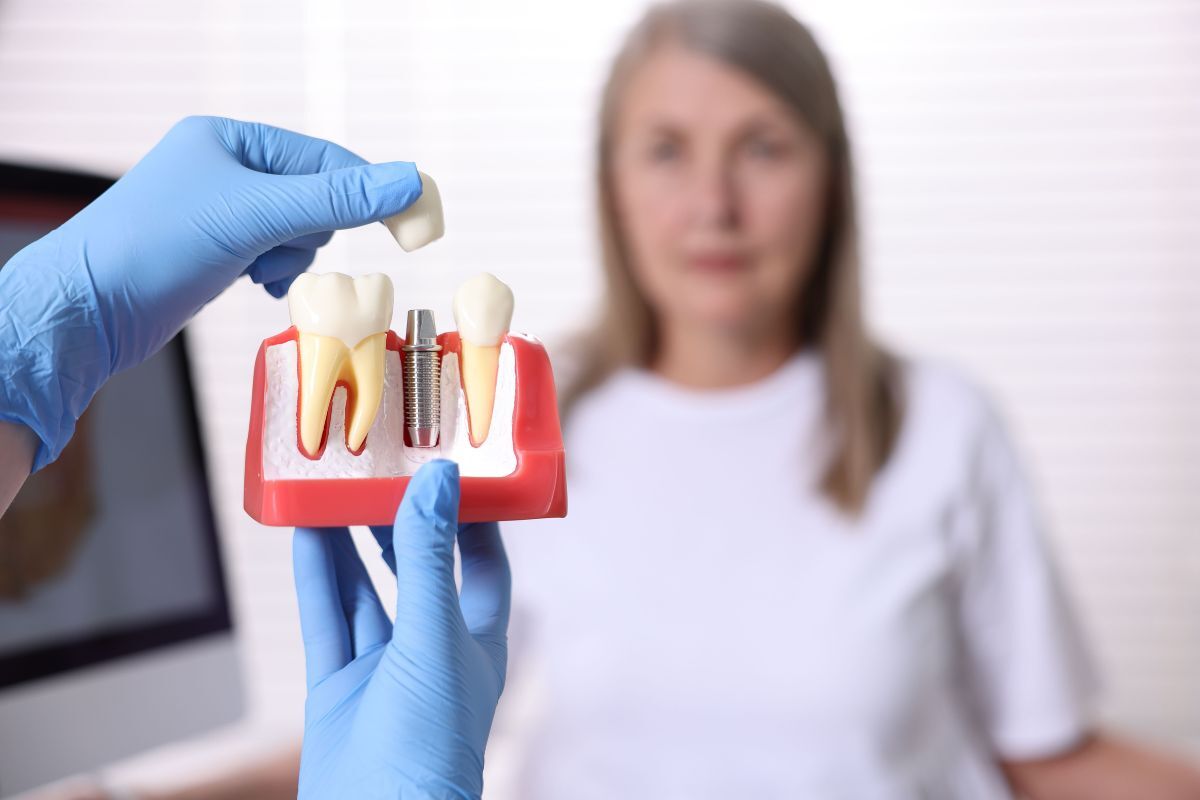
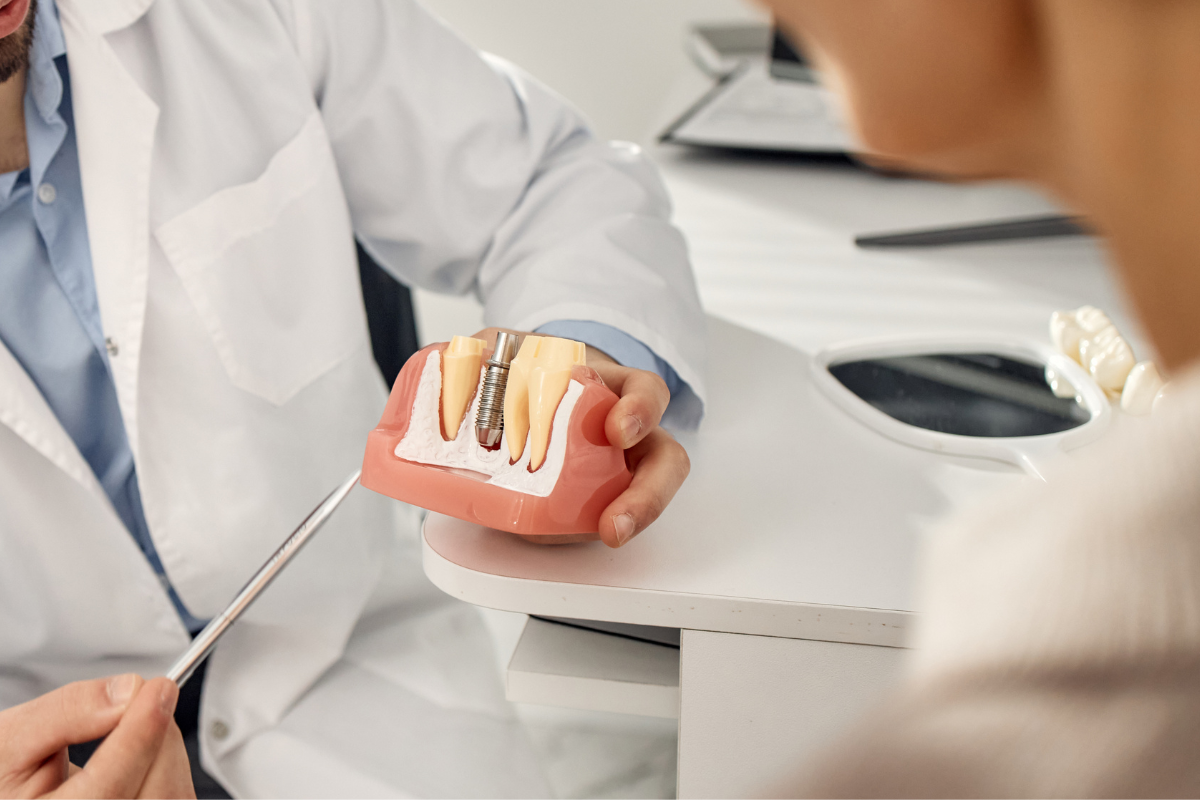
Dental implants work differently. They replace the tooth root itself and integrate with the jawbone. This creates a secure foundation and supports healthy bone structure over time.
The comparison often goes beyond appearance because oral health professionals also consider durability, bone support, and long-term function.
How Do These Options Affect Nearby Teeth?
One of the biggest concerns people ask about is whether nearby teeth are affected.
With bridges, neighboring teeth usually need modification to support the restoration. While this process can be effective, it changes the natural structure of healthy teeth.
Dental implants function independently. They do not rely on surrounding teeth to stay in place.
Many families researching dental implants in Arcadia often ask how preserving natural tooth structure impacts long-term oral health. Protecting healthy surrounding teeth may support stronger overall dental function over the years.
Which Option Feels More Stable During Daily Activities?
Comfort and stability are common concerns.
Because implants integrate with the jawbone, they typically feel more like natural teeth. Many people describe them as secure while speaking, eating, and smiling.
Bridges also effectively restore function and appearance. However, they do not replace the tooth root beneath the gums.
Here is a simple comparison:
| Feature | Dental Implants | Traditional Bridges |
|---|---|---|
| Supports jawbone | Yes | No |
| Uses nearby teeth for support | No | Yes |
| Replaces tooth root | Yes | No |
| Stability during chewing | Strong support | Depends on neighboring teeth |
| Bone preservation | Supports bone health | Limited effect |
Can Missing Teeth Affect Jaw Health?
Many people focus on replacing visible teeth but overlook what happens underneath the gums.
The jawbone naturally receives stimulation through tooth roots. When a tooth is missing, that area may gradually lose stimulation.
This change can influence surrounding structures over time.
Dr. Elisa Sin emphasizes the importance of evaluating oral health as a whole rather than focusing solely on visible symptoms. Maintaining healthy bone support and gum health often plays an important role in long-term dental wellness.
How Important Is Gum Health Before Considering Tooth Replacement?
Healthy gums provide support for overall oral wellness.
Many people focus only on replacing missing teeth and overlook the condition of the surrounding tissues. Gum health and jaw support may influence long-term outcomes and comfort.
If you are searching for a periodontist near Arcadia, discussing gum health and overall oral conditions with a specialist may help clarify the next steps. Healthy tissue support often creates a stronger foundation for future dental care decisions.
Our periodontists also focus on preserving the health of the surrounding gums and supporting structures because long-term oral health extends beyond replacing a tooth.
What Questions Are People Frequently Asking About This Topic?
Trending FAQs based on commonly searched questions:
- Do dental implants last longer than bridges?
Dental implants are designed to provide long-term support and stability with proper oral care. - Do implants feel like natural teeth?
Many people report that implants feel similar to natural teeth because they integrate with the jawbone. - Can bridges affect healthy teeth?
Traditional bridges may require neighboring teeth to be adjusted for support. - Do dental implants help preserve bone?
Yes. Implants stimulate the jawbone and help maintain bone support. - Can missing teeth affect facial structure?
Over time, missing teeth may contribute to changes in bone structure and facial appearance.
What Should Families Consider Before Making A Decision?
Every smile has different needs. Age, oral development, gum health, and the condition of surrounding teeth can all influence treatment recommendations.
Parents often want solutions that support both function and long-term oral health. Learning how different options work helps you have better conversations with dental professionals and makes informed decisions.
A healthy smile is about more than replacing a tooth. It is about supporting comfort, confidence, and overall oral wellness. Understanding the differences between available options can help families feel prepared when discussing future dental care and creating a path toward healthier smiles.