
What Signs Indicate You Might Need an Apicoectomy?

That lingering toothache after a root canal can feel frustrating. You expect relief, yet discomfort returns. Many patients notice subtle changes that signal a deeper issue at the root tip. Recognizing these early helps protect your natural tooth and prevents bigger problems.
Understanding Apicoectomy and Its Purpose
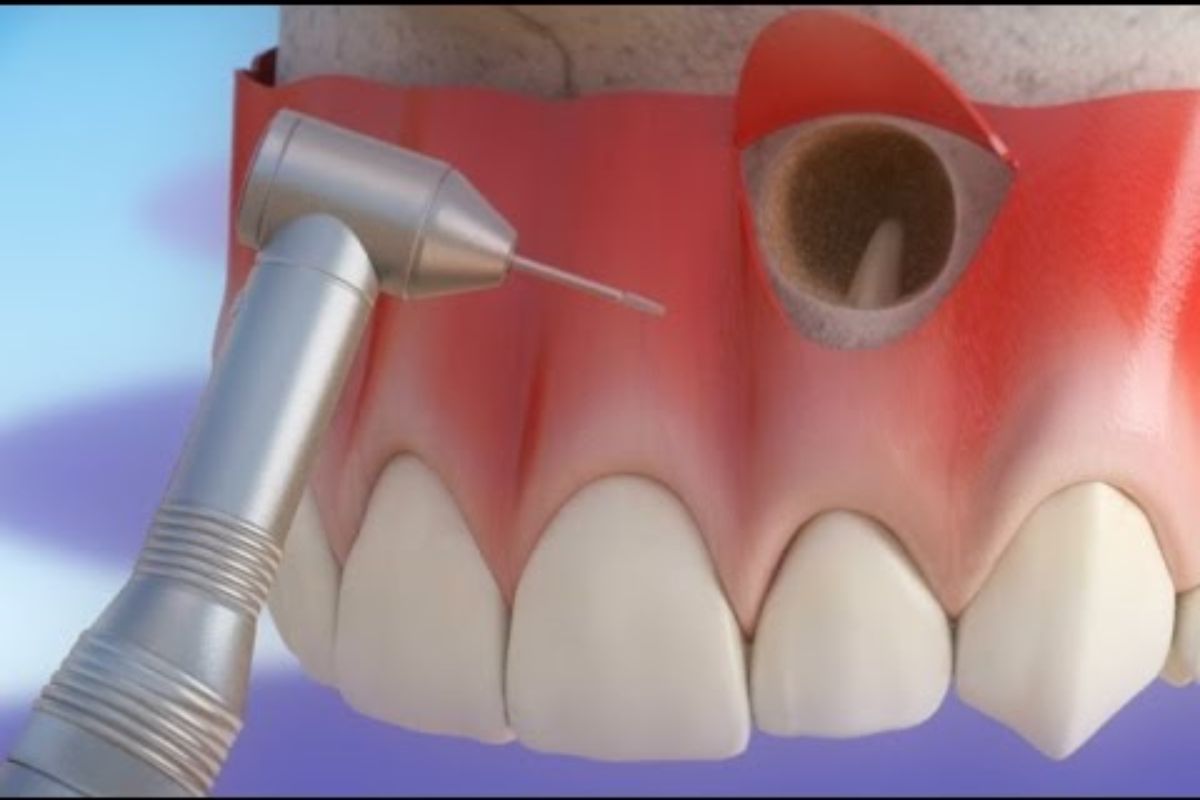
An apicoectomy is a precise endodontic surgery. It targets infection or inflammation that remains after standard root canal treatment. Dentists remove the very tip of the tooth root along with any damaged tissue. They then seal the area to stop bacteria from returning. This approach saves teeth that might otherwise need extraction. It works well when retreatment through the crown proves difficult due to curved canals, blockages, or hidden fractures.
Key Signs That Suggest You May Need This Procedure
Persistent pain tops the list. If discomfort lingers weeks or months after root canal therapy, pay attention. The ache may throb deep in the jaw or flare up when you chew. Swelling around the gum line often follows. You might spot redness, tenderness, or a small pimple-like bump that drains pus.
Sensitivity to pressure or temperature can appear too. Even light biting feels uncomfortable. A bad taste in your mouth that refuses to go away points to ongoing infection. Dental X-rays may reveal bone loss, cysts, or dark areas at the root tip. These visual clues confirm the issue lies beyond what a conventional root canal can reach.
Recurring symptoms matter most. Pain that comes back after seeming to settle signals incomplete healing. Ignoring these signs allows infection to spread and risks further damage to surrounding bone and tissue.
Why Root Canal Treatment Sometimes Falls Short
Root canals clear most infections effectively. Yet complex tooth anatomy creates challenges. Narrow or curved canals hide bacteria. Calcium buildup blocks access. Tiny cracks or extra root branches stay untreated. When these factors combine, bacteria linger at the tip. Inflammation returns, and symptoms reappear. Our apicoectomy procedure in Arcadia addresses exactly this hidden zone with direct surgical access.
How the Procedure Works Step by Step
A small incision opens the gum to expose the root tip. Inflamed tissue comes out first. The tip of the root is trimmed, and the canal end receives a biocompatible seal. Sutures close the site. The entire visit usually lasts under an hour. Modern microscopes and ultrasonic tools ensure precision and higher success.
What Recovery Looks Like and How to Support Healing
Mild swelling and soreness appear for the first few days. Ice packs and soft foods ease this phase. Most people return to normal activities quickly. Full bone healing takes a few months, but you feel better much sooner.
Simple habits make a real difference. Learning practical ways to avoid infections after apicoectomy keeps the surgical site clean and promotes smooth recovery. Gentle rinsing, careful brushing, and following all post-care instructions help tissues mend without setbacks.
Success Rates and Long-Term Outcomes
Apicoectomies deliver strong results when performed by skilled specialists. Here is a quick look at typical outcomes:
| Time Frame | Success Rate | What It Means |
|---|---|---|
| 1 Year | 91–97% | Tooth stays functional and infection-free |
| 5+ Years | 75–85% | Long-term tooth preservation |
These numbers highlight why many choose this targeted surgery over alternatives.
Trending FAQs
- What is an apicoectomy?
It is minor surgery that removes the infected root tip and seals the tooth to eliminate persistent infection. - Why would I need an apicoectomy?
You need it when pain or swelling returns after root canal treatment because infection lingers at the root tip. - Is an apicoectomy painful?
Local anesthesia keeps you comfortable during the procedure. Mild soreness afterward fades in a few days. - How long does recovery take?
Most patients resume normal routines within a week. Complete healing occurs over several months. - How do I know if my root canal failed?
Return of pain, swelling, or a bad taste weeks or months later usually indicates failure. - Can an apicoectomy save my tooth?
Yes. It preserves your natural tooth in cases where retreatment cannot reach the problem.
If you are searching for an endodontist near you, early evaluation prevents unnecessary tooth loss. Professional assessment with advanced imaging clarifies whether this procedure fits your situation.
Patients considering the apicoectomy procedure in Arcadia often find it resolves stubborn root-tip issues that standard methods miss. The targeted approach restores comfort and function effectively.
Saving your natural tooth brings real benefits. You keep your bite strong, your smile intact, and your confidence high. Pay attention to those warning signs. Act promptly when symptoms persist. Your oral health deserves this level of care. Schedule an appointment to discuss your options and move forward with confidence.