How to Avoid Infections After an Apicoectomy

An apicoectomy is a specialized dental procedure that can save a tooth when a standard root canal isn’t enough. While it’s highly effective, the recovery process requires careful attention to prevent complications like infections. If you’ve recently had this procedure or are preparing for one, you’re likely wondering how to ensure a smooth healing journey. In this blog, we’ll walk you through practical steps to avoid infections after an apicoectomy, share expert tips, and answer common questions to help you recover with confidence. Let’s dive into what you need to know to protect your oral health.
What Is an Apicoectomy and Why Is It Done?
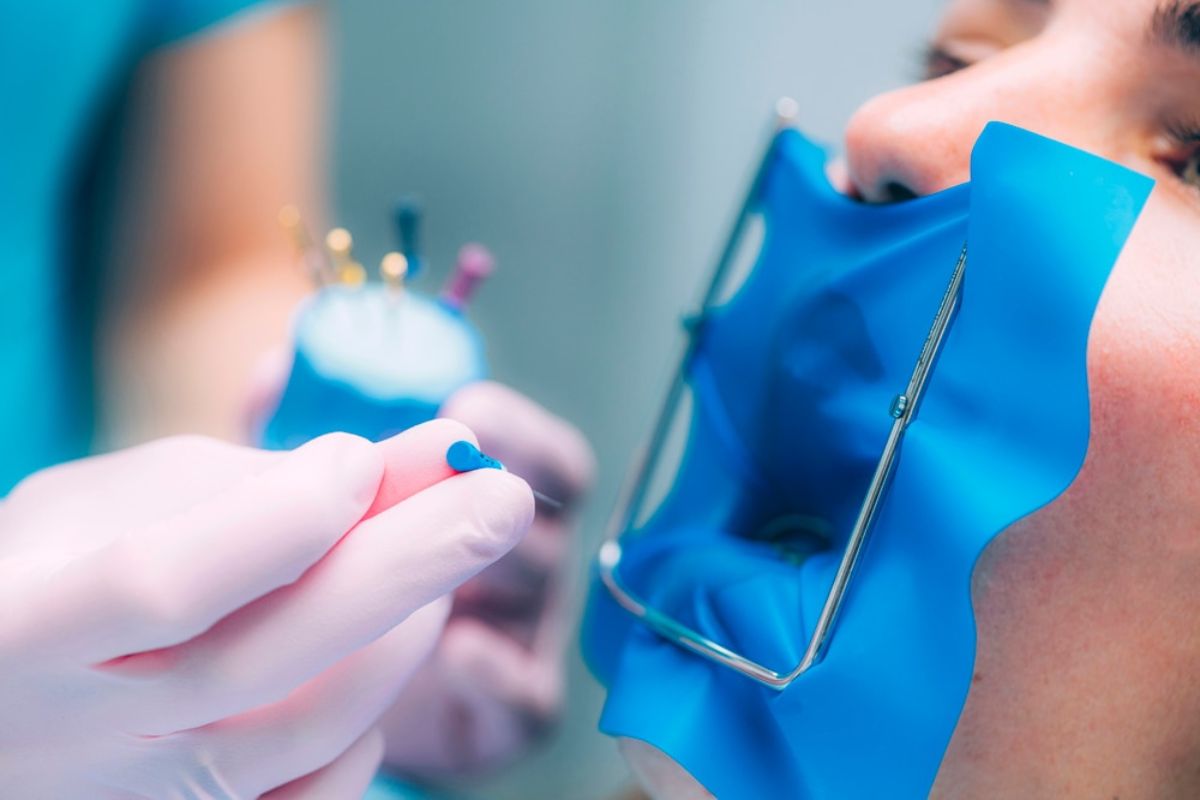
An apicoectomy, also known as root-end surgery, is a minor procedure performed by an endodontist to treat persistent infections at the tip of a tooth’s root. It’s often recommended when a root canal fails to clear an infection or when inflammation persists in the surrounding bone. During the procedure, the endodontist removes the infected tip of the root and seals the area to prevent further issues. According to the American Association of Endodontists, this surgery has a success rate of over 85%, making it a reliable option for saving teeth. However, proper post-operative care is critical to avoid complications like infections, which can delay healing.
Why Infections Are a Concern After an Apicoectomy
The surgical site of an apicoectomy is sensitive because it involves cutting into the gum and bone to access the root tip. This creates an entry point for bacteria if proper care isn’t taken. Infections can lead to swelling, pain, and even the need for additional treatment. Factors like poor oral hygiene, smoking, or not following aftercare instructions can increase this risk. By understanding how to minimize these risks, you can support your body’s natural healing process and keep the surgical site clean and healthy.
Steps to Avoid Infections After an Apicoectomy
Taking proactive steps after your procedure can significantly reduce the chance of infection. Here’s how to care for yourself during recovery.
Follow Your Endodontist’s Aftercare Instructions
Your endodontist will provide specific guidelines tailored to your situation. This might include how to manage swelling, when to take prescribed medications, and what activities to avoid. Stick to these instructions closely. For example, if antibiotics are prescribed, take the full course even if you feel better early on. This ensures any lingering bacteria are fully eliminated.
Keep the Surgical Site Clean
Good oral hygiene is key to preventing infections. Rinse your mouth gently with a saltwater solution (1/4 teaspoon of salt in 8 ounces of warm water) starting 24 hours after surgery. Do this 2-3 times a day to reduce bacteria. Avoid brushing directly over the surgical site for the first few days, but keep the rest of your mouth clean to prevent bacterial spread.
Avoid Touching the Area
It’s tempting to check the surgical site with your fingers or tongue, but this can introduce bacteria and disrupt healing. Keep your hands away and avoid poking at the stitches. If you notice unusual swelling or pain, contact your endodontist instead of trying to investigate yourself.
Manage Swelling and Discomfort
Swelling is normal after an apicoectomy, but it can create an environment where bacteria thrive if not managed. Apply a cold pack to your cheek for 10-15 minutes at a time during the first 24 hours to reduce swelling. After that, switch to warm compresses to improve blood flow and aid healing. Keeping swelling under control helps the surgical site close properly, reducing infection risk.
Watch Your Diet
What you eat can impact your recovery. Stick to soft foods like yogurt, mashed potatoes, and smoothies for the first few days. Avoid hot, spicy, or crunchy foods that could irritate the surgical site. Also, steer clear of straws, as the suction can dislodge the blood clot and invite bacteria into the area. Stay hydrated with water to support overall healing.
Avoid Smoking and Alcohol
Smoking and alcohol can slow healing and increase the risk of infection. Smoking reduces blood flow to the gums, making it harder for your body to fight off bacteria. Alcohol can irritate the surgical site and interact with medications. If you’re in Arcadia, CA, and recently had an apicoectomy in Arcadia, CA, your endodontist likely emphasized the importance of avoiding these habits during recovery.
Signs of Infection to Watch For
Even with the best care, infections can sometimes occur. Knowing the warning signs allows you to act quickly. Contact your endodontist if you notice:
- Persistent or worsening swelling after 48 hours.
- Severe pain that doesn’t improve with medication.
- Pus or unusual discharge from the surgical site.
- A fever above 100.4°F.
- A bad taste in your mouth that doesn’t go away.
These symptoms could indicate an infection that needs prompt attention to prevent further complications.
Trending FAQs About Avoiding Infections After an Apicoectomy
Here are answers to some frequently asked questions about post-apicoectomy care, sourced from common Google searches:
- How long does it take to heal after an apicoectomy? Healing typically takes 1-2 weeks for initial recovery, but the bone may take a few months to fully heal.
- Can I brush my teeth after an apicoectomy? Yes, but avoid the surgical site for the first few days. Use a soft-bristled toothbrush and be gentle.
- What should I avoid after an apicoectomy? Avoid smoking, alcohol, strenuous activity, and hard foods for at least a week to support healing.
- Is swelling normal after an apicoectomy? Yes, mild swelling is expected for the first 1-2 days. Use ice packs to manage it.
- When should I call my endodontist? Contact your endodontist if you experience severe pain, fever, or signs of infection like pus or excessive swelling.
The Role of Professional Care in Recovery
Working with a skilled professional can make all the difference in your recovery. An endodontist in Arcadia, CA, for example, has the expertise to perform an apicoectomy with precision and provide detailed aftercare guidance. They can also monitor your healing through follow-up visits and address any concerns quickly. Choosing a local specialist ensures you have access to personalized care throughout your recovery journey.
Protect Your Smile with Proper Care
An apicoectomy can be a game-changer for preserving your natural tooth, but its success depends on how well you care for yourself afterward. By following these steps—keeping the area clean, managing swelling, eating wisely, and avoiding harmful habits—you can minimize the risk of infection and enjoy a smooth recovery. If you notice any unusual symptoms, don’t hesitate to reach out to your endodontist for guidance. With the right care, you’ll be back to smiling confidently in no time.