Is Root Canal Pain Worse Than Tooth Extraction Pain?

When a toothache strikes, it can feel like the world stops. That throbbing discomfort often leads to tough choices about treatment. Many people wonder about the level of pain involved in fixing the issue. Both root canals and extractions aim to end that agony, but they take different paths. Understanding what each involves can ease your mind and help you decide what’s right for your situation. Let’s dive into the details to clarify common worries and provide clear guidance.
Understanding Root Canals and Extractions
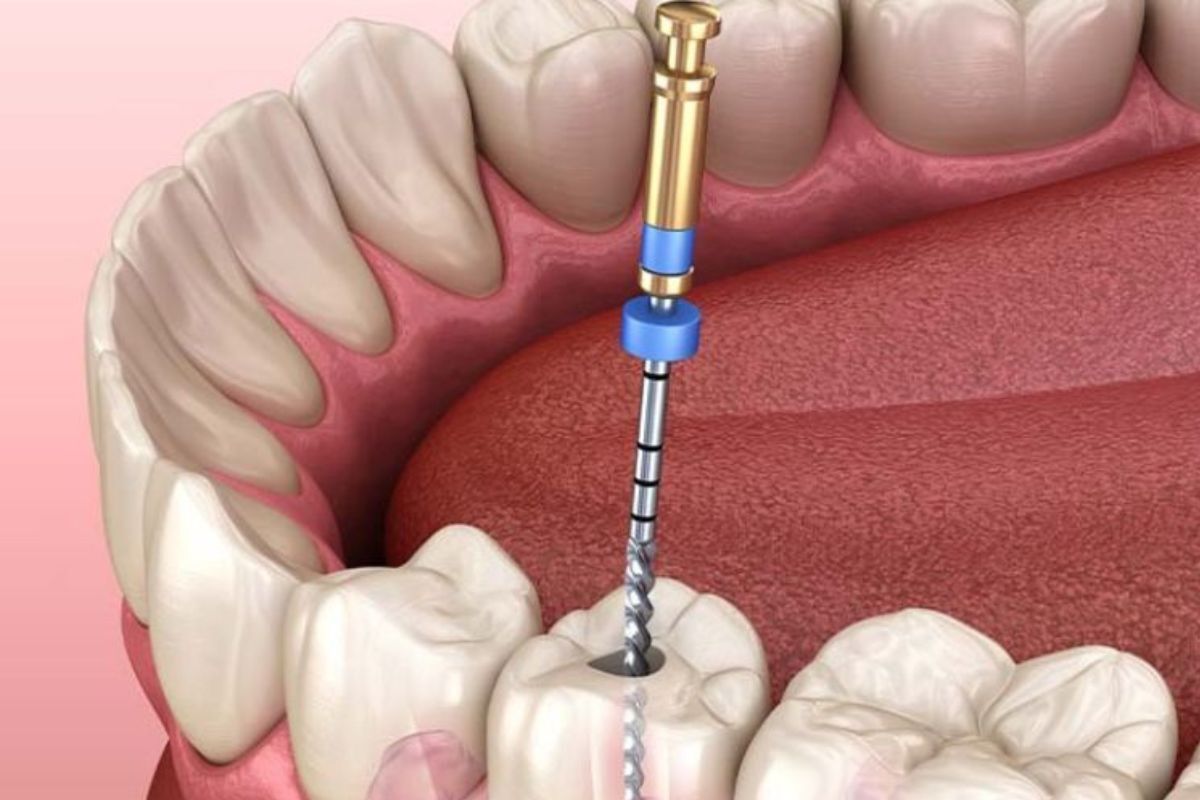
Root canals and tooth extractions both address infected or damaged teeth. A root canal cleans out the infected pulp inside the tooth. The dentist removes the bad tissue, disinfects the area, and seals it up. This saves the natural tooth structure.
Extractions pull the entire tooth out. This happens when damage is too severe to fix. Simple extractions handle straightforward cases. Surgical ones deal with impacted or broken teeth.
Both procedures use local anesthesia to numb the area. You feel pressure but little pain during the work. The real differences show up in recovery and long-term effects.
Pain During the Procedure
Many fear root canals more than extractions. Yet, modern techniques make both manageable. Anesthesia blocks most sensations. For root canals, patients often report it feels like a deep filling. The process takes one or two visits.
Extractions can feel more intense due to the pulling motion. Surgical cases might involve cutting gums or bone. Still, numbing keeps it comfortable. Personal pain tolerance plays a role. Some find extractions quicker and less involved.
Studies show patients describe root canals as painless six times more often than extractions. The infection causes the initial hurt, not the treatment itself.
Post-Procedure Discomfort and Recovery
Recovery tells a bigger story. After a root canal, mild soreness lasts a few days. Over-the-counter pain relievers handle it. Sensitivity to hot or cold might occur but fades. Most return to normal activities right away.
Extraction recovery involves more steps. Swelling and bleeding are common. Ice packs help reduce puffiness. Soft foods aid healing. The socket needs time to close, often a week or two. Dry socket, a painful complication, affects about 2-5% of cases.
Root canals preserve jawbone health. Extractions can lead to bone loss over time. Shifting teeth might follow, causing bite issues.
Factors Influencing Pain Levels
Several things affect how much discomfort you feel. Infection severity matters. A bad abscess amps up pain before treatment. Dentist skill counts too. Experienced pros make procedures smoother.
Anxiety boosts perceived pain. Relaxation techniques help. Overall health plays in. Conditions like diabetes slow healing.
Local anesthesia type varies. Some need extra for full numbness. Follow-up care impacts recovery. Good oral hygiene prevents issues.
In places with advanced dental care, like many California communities, specialists use cutting-edge tools for better comfort. Our root canal treatment in Arcadia, CA, fits seamlessly into routines for those dealing with infected teeth, offering reliable relief without major disruption.
Long-Term Benefits and Considerations
Saving your tooth with a root canal maintains natural function. Chewing feels normal. Speech stays clear. Aesthetics remain intact.
Extractions require replacements like implants or bridges. These restore function but involve more steps. Implants integrate with bone, preventing loss.
Success rates favor root canals. They work 85-95% of the time long-term. Extractions heal well but carry risks like infection.
Preserving teeth supports overall oral health. It avoids chain reactions of problems.
| Aspect | Root Canal | Tooth Extraction |
|---|---|---|
| Success Rate | 85-95% over 10+ years | 95-98% healing rate, but 2-5% dry socket risk |
| Complications | Rare reinfection (5-10%) | Bone loss (up to 30% in first year), shifting teeth |
| Recovery Time | 2-3 days mild discomfort | 7-14 days, potential swelling |
| Long-Term Impact | Preserves jawbone, natural bite | May need replacement; 10-20% implant failure rate |
These stats come from dental associations and studies. They show root canals often edge out in preserving health.
When to Choose One Over the Other
Dentists prefer saving teeth when possible. Root canals suit cases where structure remains strong. Severe cracks or decay might need extraction.
Patient preferences matter. Some want quick fixes. Others prioritize natural teeth.
Health conditions guide choices. Weak immune systems might favor extraction to avoid risks.
Consulting a specialist helps. If you are searching for an endodontist near you, they can assess your tooth’s condition with X-rays and exams.
Trending FAQs on Root Canal vs Tooth Extraction Pain
Here are some frequently asked questions based on what people commonly search for on this topic:
- Does a root canal hurt more than a tooth extraction? No, most patients find root canals less painful overall. The procedure relieves infection pain, while extractions involve more post-op discomfort from healing.
- How long does pain last after a root canal? Mild soreness typically lasts 2-3 days. It eases with pain meds and rest.
- What are the signs I need a root canal or extraction? Persistent pain, swelling, sensitivity to temperature, or a pimple on the gums signal infection. See a dentist promptly.
- Can I avoid both procedures? Sometimes early intervention like fillings prevents escalation. Good hygiene reduces risks.
- Is recovery faster with a root canal? Yes, often quicker than extraction since the tooth stays in place, avoiding socket healing.
- What if the root canal fails? Retreatment or extraction becomes an option. Success is high with proper care.
These address top concerns from online searches.
Alternatives and Prevention Tips
Preventing issues starts with daily habits. Brush twice a day. Floss regularly. Use mouthwash.
Regular check-ups catch problems early. Fluoride treatments strengthen teeth.
For minor cosmetic fixes after treatment, options like bonding improve appearance. If extraction happens, discuss replacements soon.
Staying proactive keeps smiles healthy.
Facing tooth pain can feel overwhelming, but knowing your options empowers you. Both root canals and extractions solve problems effectively. Most find root canals offer lasting relief with less hassle. Talk to your dentist about what fits your needs. Schedule an appointment to get personalized advice and start feeling better soon.