How Do I Know If I Need Dental Implants?

Missing teeth can sneak up on you, affecting everything from your smile to how you enjoy a meal. It’s not just about looks—it’s about feeling confident and comfortable every day. If you’ve ever wondered whether something more permanent could restore that natural ease, you’re in the right place. Let’s explore the signs that might point to this reliable solution, drawing on expert insights to help you decide.
Understanding Dental Implants
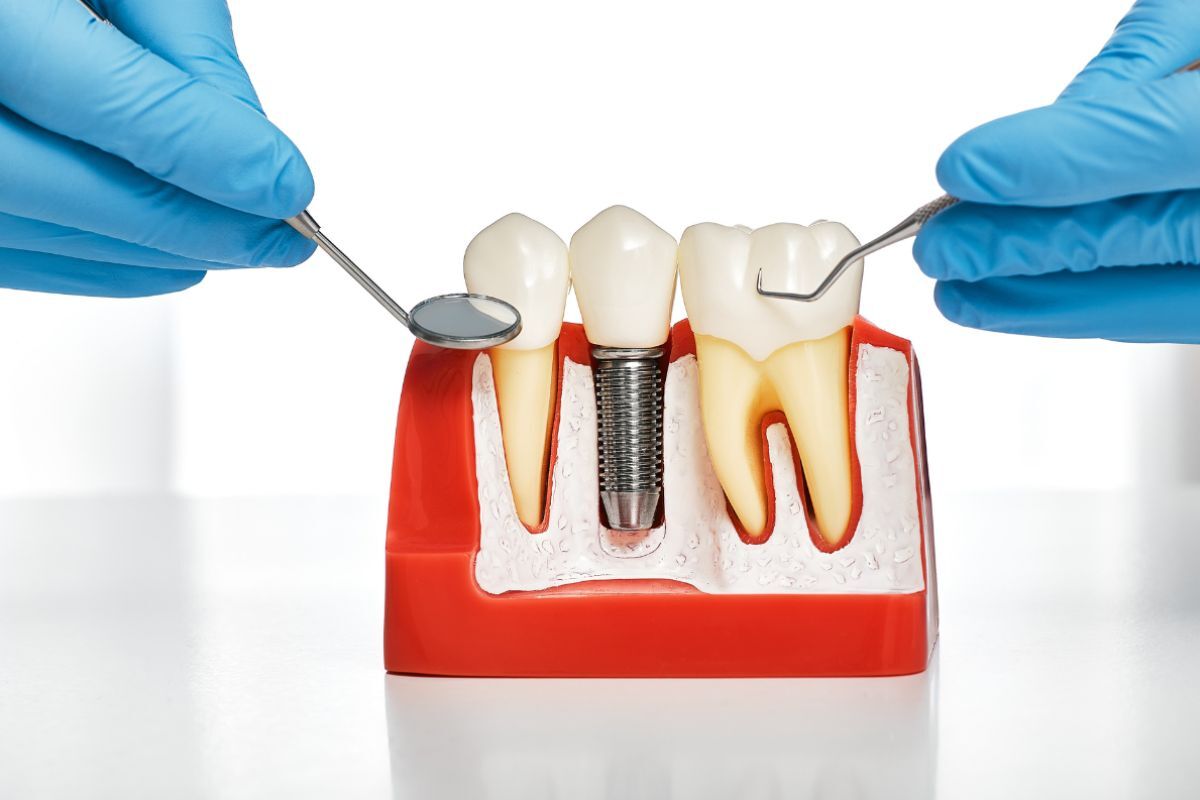
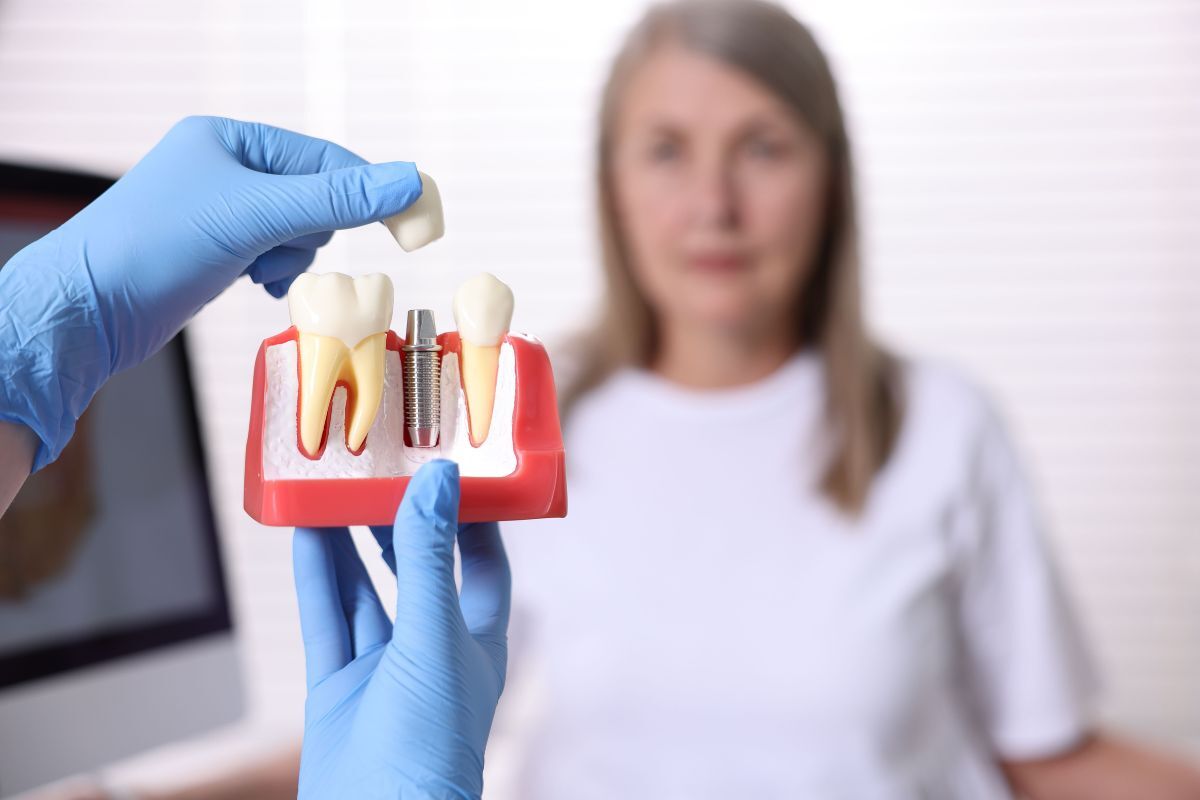
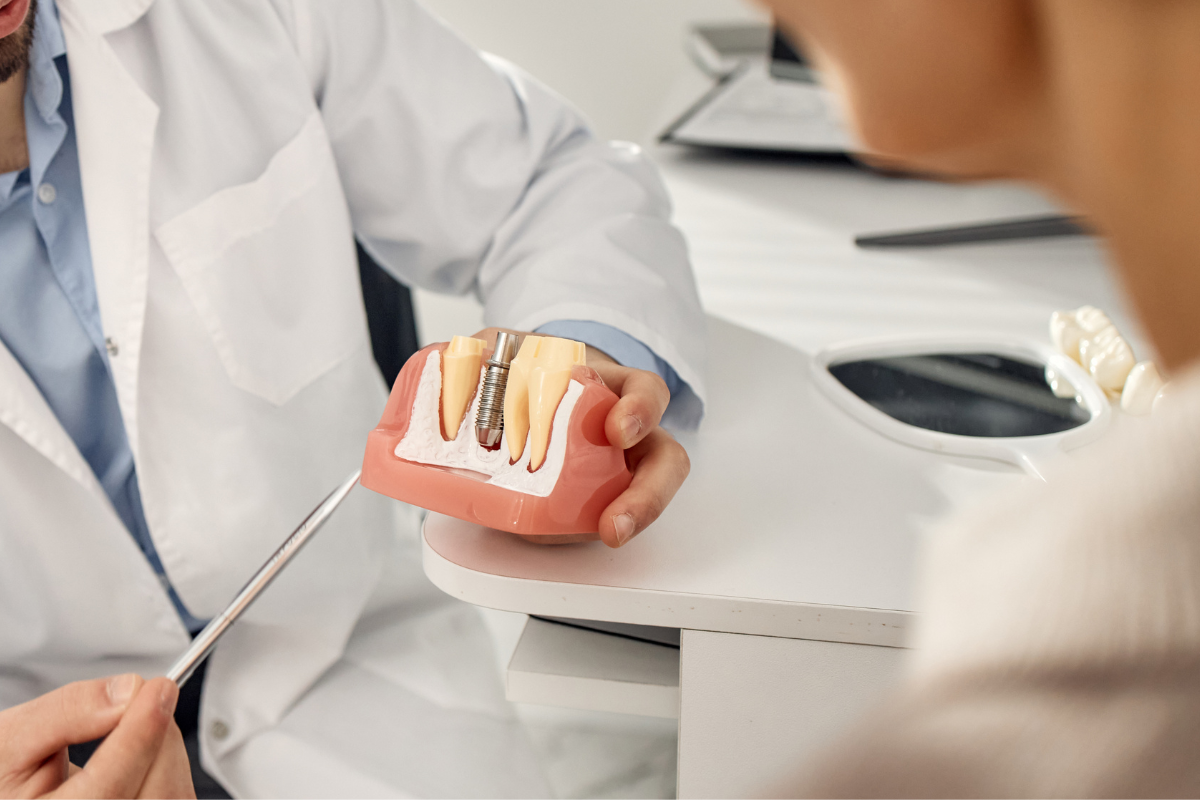
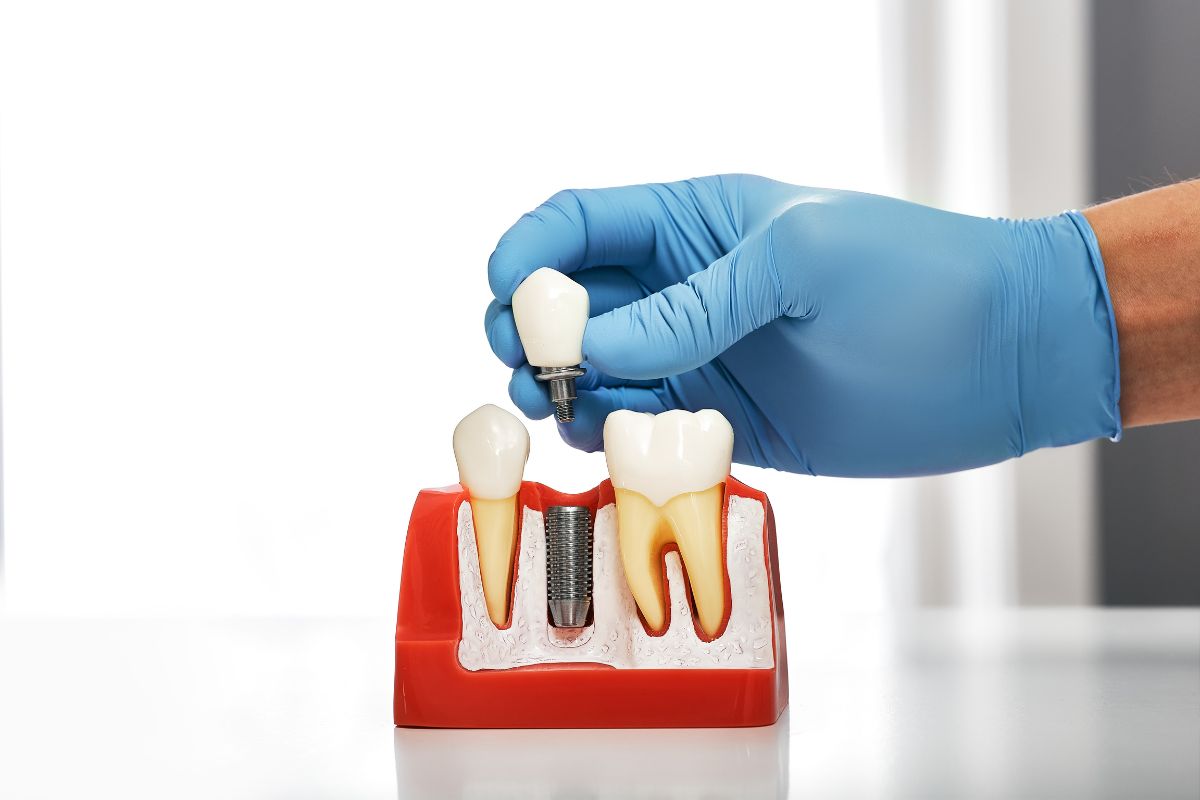
Dental implants act as artificial roots, typically made from titanium, that fuse with your jawbone. They support crowns, bridges, or dentures for a secure fit. Unlike temporary fixes, they mimic natural teeth in function and appearance.
This option shines when other treatments fall short. Think of it as rebuilding from the foundation up. Many turn to them after tooth loss from injury, decay, or disease.
Common Signs You Might Need Dental Implants
Spotting the need early can prevent bigger issues. Here are key indicators.
Persistent Tooth Pain or Discomfort
Ongoing ache in a tooth often signals deep damage. Root issues or cracks might not heal with simple fixes. If pain lingers despite treatment, extraction and replacement could be next.
Loose or Shifting Teeth
Teeth shouldn’t wobble in adults. This hints at bone loss or gum problems. When support weakens, gaps form, leading to more shifts.
Difficulty Chewing or Eating
Struggling with food points to instability. Missing or damaged teeth force awkward bites, risking further wear.
Gum Recession and Bone Loss
Exposed roots from receding gums expose vulnerability. Over time, jawbone deteriorates without tooth roots stimulating it.
Chronic Bad Breath or Infection
Recurring infections breed bacteria, causing odor. Severe cases demand removal to halt spread.
Facial Changes from Tooth Loss
Sunken cheeks or jawline shifts occur when bone resorbs. This ages your appearance prematurely.
If these ring true, a professional evaluation is wise. Early action preserves options.
Are You a Good Candidate?
Not everyone qualifies right away. Strong jawbone density is key for stability. Healthy gums free from disease support healing.
Overall health matters too. Conditions like diabetes need control. Smoking slows recovery, raising risks.
Age isn’t a barrier once growth stops. Commitment to care ensures longevity.
A thorough check, including scans, reveals suitability. Bone grafts can build up weak areas if needed.
Alternatives to Consider
Sometimes, less invasive paths work. Bridges use adjacent teeth for support. Dentures offer removable convenience.
For cosmetic tweaks on existing teeth, options like Lumineers provide a sleek overlay without heavy prep. They can brighten and straighten without replacing roots, making them a better choice for minor flaws.
Weigh pros and cons based on your case.
Dental Implant Success Statistics
Dental implants boast high reliability. Here’s a snapshot of key data.
| Statistic | Detail | Source Insight |
|---|---|---|
| Overall Success Rate | 90-95% over 5 years | Studies show consistency across patients. |
| Lower Jaw Success | About 95% | Denser bone aids fusion. |
| Upper Jaw Success | Around 90% | Less density poses slight challenges. |
| Early Failure Rate | 1-2% in first year | Often due to integration issues. |
| Long-Term Survival | 75% at 20 years | With proper maintenance. |
These figures underscore proven outcomes. Factors like site and health influence results.
Recovery Tips for Dental Implants
After placement, focus on smooth healing. Rest for a few days, avoiding strenuous activity. Stick to soft foods like yogurt or soup to ease pressure. Keep the area clean with gentle rinses—avoid vigorous brushing at first. Ice packs help reduce swelling, and follow prescribed meds for comfort. Regular check-ins ensure progress. Most return to normal routines quickly, feeling stronger each week.
The Process Step by Step
It starts with consultation. Expect exams and imaging to plan precisely.
Surgery involves placing the post. Local anesthesia keeps it comfortable.
Healing takes months as bone integrates. A temporary cover protects during this.
Final restoration attaches the visible part. Adjustments fine-tune the fit.
Maintenance mirrors natural teeth: brush, floss, visit regularly.
Trending FAQs on Dental Implants
Based on frequent searches, here are top questions with clear answers.
- What are dental implants? They are titanium posts that replace tooth roots, topped with artificial teeth for natural function.
- Am I a good candidate for dental implants? Yes, if you have missing teeth, sufficient bone, healthy gums, and no uncontrolled health issues.
- How long do dental implants last? With care, they can endure a lifetime, though crowns may need replacement after 10-15 years.
- Does dental implant surgery hurt? Most feel minimal discomfort, managed with anesthesia and post-op meds.
- What is the recovery time for dental implants? Initial healing takes 1-2 weeks, full integration 3-6 months.
- Can dental implants fail? Rarely, but risks rise with smoking or poor hygiene.
- Are dental implants safe? Yes, with high success rates and biocompatible materials.
These address common curiosities from online queries.
Addressing Concerns
Worried about the procedure? It’s routine for specialists. Modern techniques minimize downtime.
Fear of rejection is low—titanium integrates well. Allergic reactions are rare.
Daily life improves: eat freely, speak clearly, smile boldly.
Trust in expertise guides the journey.
For those exploring options like dental implants in Arcadia, CA, local expertise ensures tailored care that fits seamlessly into your lifestyle.
Maintaining Your New Smile
Post-implant, hygiene is crucial. Brush twice daily, floss around posts.
Avoid hard foods that could chip restorations. Quit smoking for best results.
Routine cleanings catch issues early. This preserves investment.
If you are searching for a implant dentist near you, starting with a chat can clarify paths forward.
Restoring your smile brings back joy in simple moments, like sharing a laugh or savoring a favorite dish. With the right approach, you regain not just teeth, but vitality. If signs point this way, take that step to schedule an appointment. Your brighter future awaits.