Can Poor Oral Hygiene Harm Your Dental Implants?

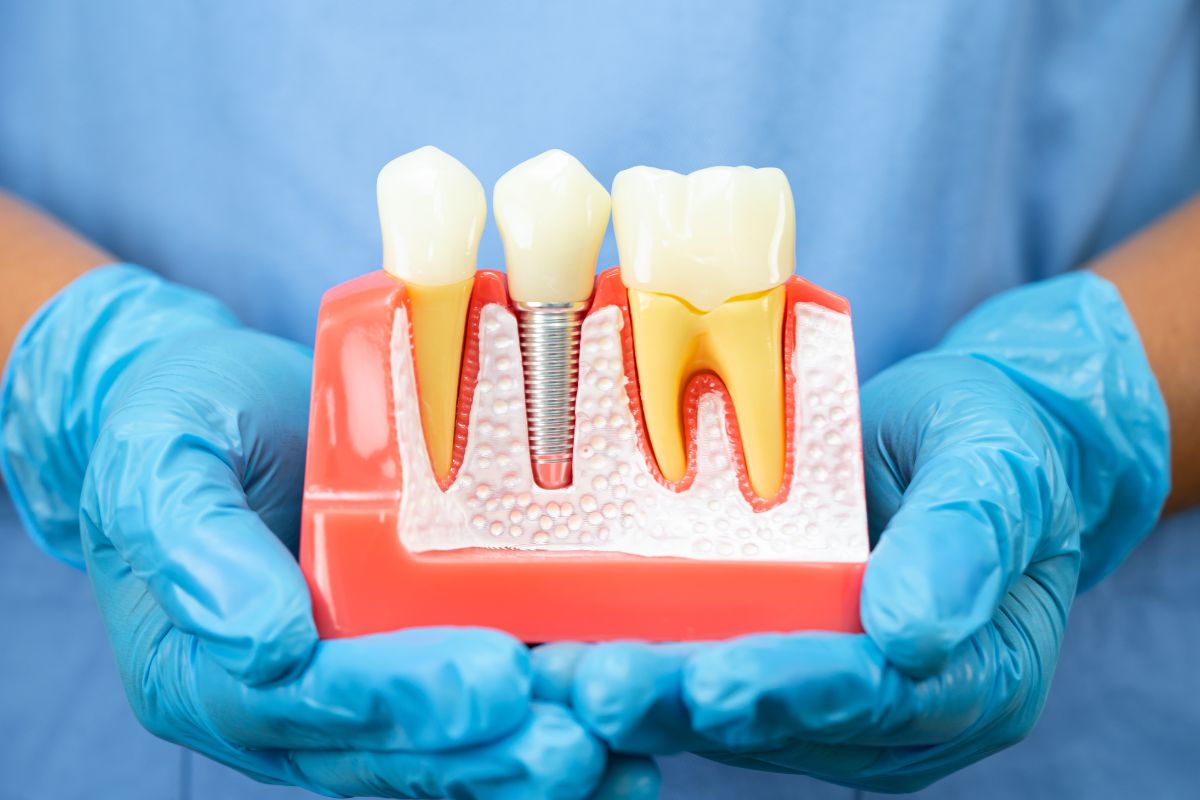
Dental implants are a game-changer for replacing missing teeth, offering a natural look and feel. But what happens if you neglect their care? Many wonder if poor oral hygiene can lead to serious issues like corrosion or screw fractures in implants. The answer is yes, and understanding the risks can help you protect your investment. This blog dives into how oral hygiene impacts implant durability, offering practical tips to keep your smile strong.
What Are Dental Implants and Why Is Hygiene Crucial?
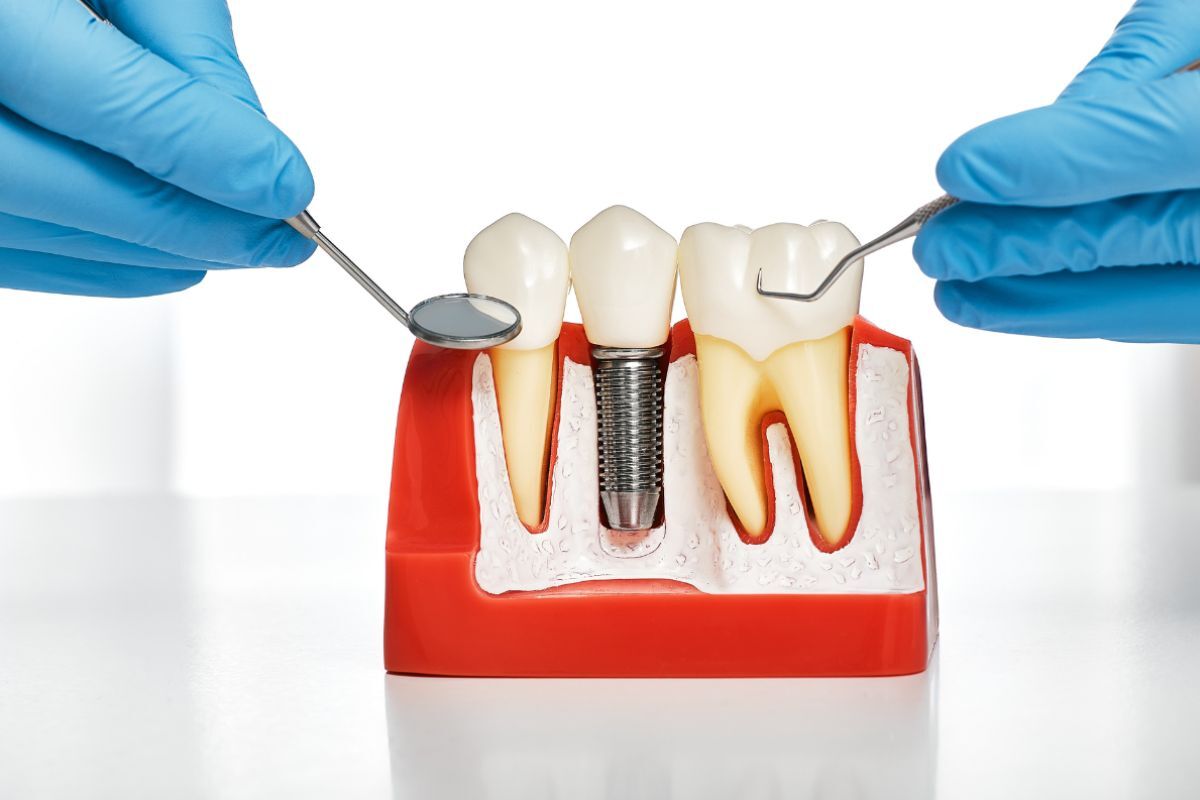
Dental implants are titanium or zirconia posts surgically placed in the jawbone to support replacement teeth. Their strength and biocompatibility make them a top choice for tooth restoration. However, implants aren’t immune to complications. Poor oral hygiene can invite bacteria, leading to issues that threaten their longevity. Let’s explore how neglect can cause corrosion and screw fractures, and what you can do to prevent it.
How Poor Oral Hygiene Triggers Corrosion
Corrosion in dental implants occurs when the protective titanium oxide layer breaks down. This layer shields titanium implants from the oral environment, but bacteria from poor hygiene produce acids that erode it. This process, called tribocorrosion, won’t just stop at surface damage—it can release titanium particles, sparking inflammation and even bone loss around the implant, known as peri-implantitis. For those with dental implants in Arcadia, CA, maintaining diligent oral care is key to preventing these issues.
The Link Between Hygiene and Screw Fractures
Screw fractures are another concern, often tied to mechanical stress or weakened implant components. Poor oral hygiene exacerbates this by allowing bacterial biofilms to form, which can corrode the implant-abutment interface. Over time, this corrosion weakens the screw, making it prone to loosening or breaking, especially under the stress of chewing or grinding. Regular cleanings by a skilled implant dentist in Arcadia, CA can catch early signs of trouble, ensuring your implants stay secure.
Factors That Worsen Implant Complications
Several habits and conditions can amplify the risks of corrosion and screw fractures:
- Bacterial Buildup: Plaque and tartar from irregular brushing or flossing create an acidic environment that accelerates corrosion.
- Smoking and Alcohol: These habits increase bacterial growth and reduce saliva, which naturally cleanses the mouth, heightening peri-implantitis risk.
- Bruxism (Teeth Grinding): Excessive mechanical stress from grinding can weaken screws, especially if corrosion is already present.
- Improper Maintenance Tools: Using stainless steel instruments or abrasive toothpastes can scratch implants, making them more susceptible to corrosion.
By addressing these factors, you can significantly reduce the risk of implant failure.
Trending FAQs on Dental Implant Care
Here are answers to common questions people ask about dental implants and oral hygiene, based on popular searches:
- Can poor oral hygiene cause dental implant failure?
Yes, neglecting oral care can lead to peri-implantitis, corrosion, and even screw fractures, all of which may cause implant failure. - How can I maintain my dental implants?
Brush twice daily with a soft-bristled toothbrush, floss around implants, and use a non-abrasive toothpaste. Regular dental check-ups are essential. - Can bacteria affect dental implants?
Absolutely. Bacteria like Streptococcus mutans produce acids that erode the implant’s protective layer, leading to corrosion and inflammation. - What are the signs of implant complications?
Look for swelling, redness, pain, or implant mobility. These could indicate peri-implantitis or mechanical issues like screw loosening. - How often should I see a dentist for implant maintenance?
Visit your dentist every six months for professional cleanings and to monitor implant health.
Statistics on Implant Complications
| Cause of Implant Failure | Percentage of Cases | Primary Contributor |
|---|---|---|
| Peri-implantitis | 20-30% | Poor oral hygiene |
| Screw Loosening/Fracture | 5-10% | Mechanical stress |
| Corrosion-Related Issues | 5-8% | Bacterial acids |
| Bone Loss | 15-20% | Inflammation |
Note: Data is approximate, based on dental studies. Regular care can lower these risks significantly.
How to Protect Your Implants from Corrosion and Fractures
Preventing implant complications starts with proactive care. Here are actionable tips:
- Brush and Floss Daily: Use a soft toothbrush and non-abrasive toothpaste. Floss or use interdental brushes to clean around implants.
- Avoid Harmful Habits: Limit smoking and alcohol, as they increase bacterial growth and reduce saliva flow.
- Use Proper Tools: Opt for titanium or plastic dental instruments during cleanings to avoid scratching implants.
- Wear a Night Guard: If you grind your teeth, a custom occlusal guard can reduce stress on implants.
- Schedule Regular Check-Ups: Professional cleanings and exams catch early signs of corrosion or loosening.
By following these steps, you can maintain the strength and longevity of your implants.
The Role of Professional Care in Implant Longevity
While at-home care is vital, professional maintenance is equally important. Dentists use specialized tools to clean implants without damaging their surfaces. They also monitor for early signs of peri-implantitis or mechanical issues, preventing minor problems from escalating. Regular visits ensure your implants remain in top condition, supporting a healthy, confident smile.
Keep Your Smile Strong with Proper Care
Your dental implants are a valuable investment in your smile and confidence. By prioritizing oral hygiene and addressing harmful habits, you can prevent serious complications like corrosion and screw fractures. If you’re searching for an implant dentist in Arcadia, CA, The Ivy Institute offers expert care to keep your implants thriving. Schedule an appointment today at (626)-445-8530 to ensure your smile stays strong for years to come.