The Impact of Bruxism (Teeth Grinding) on Dental Implants

Bruxism, or chronic teeth grinding, is more common than you might think. Many people grind their teeth without even realizing it—especially during sleep. While this habit may seem harmless at first, it can significantly affect your oral health, particularly if you have or are considering dental implants. For patients with this condition, understanding the connection between bruxism and implants is crucial for long-term oral success.
Understanding Bruxism
Bruxism refers to the involuntary grinding or clenching of the teeth, typically occurring at night. This condition can be triggered by stress, misaligned teeth, sleep disorders, or even certain medications. Over time, bruxism wears down the enamel, causes jaw pain, and increases tooth sensitivity. When dental implants are involved, the risks can become more serious.
How Bruxism Affects Your Mouth
The continuous force from grinding puts extreme pressure on your teeth, jaw muscles, and temporomandibular joints (TMJ). While natural teeth can absorb some of that pressure through the periodontal ligament, dental implants lack this cushioning. This makes them more vulnerable to damage.
Why Bruxism Poses a Risk to Dental Implants
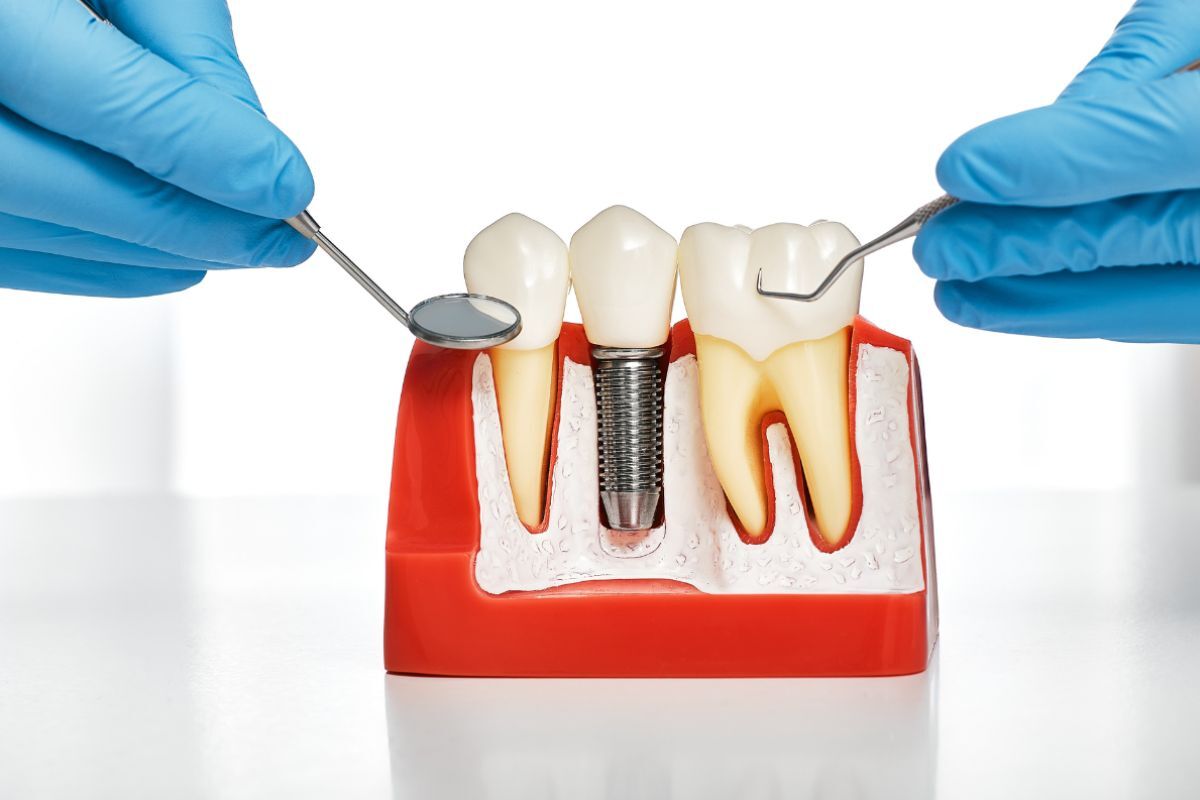
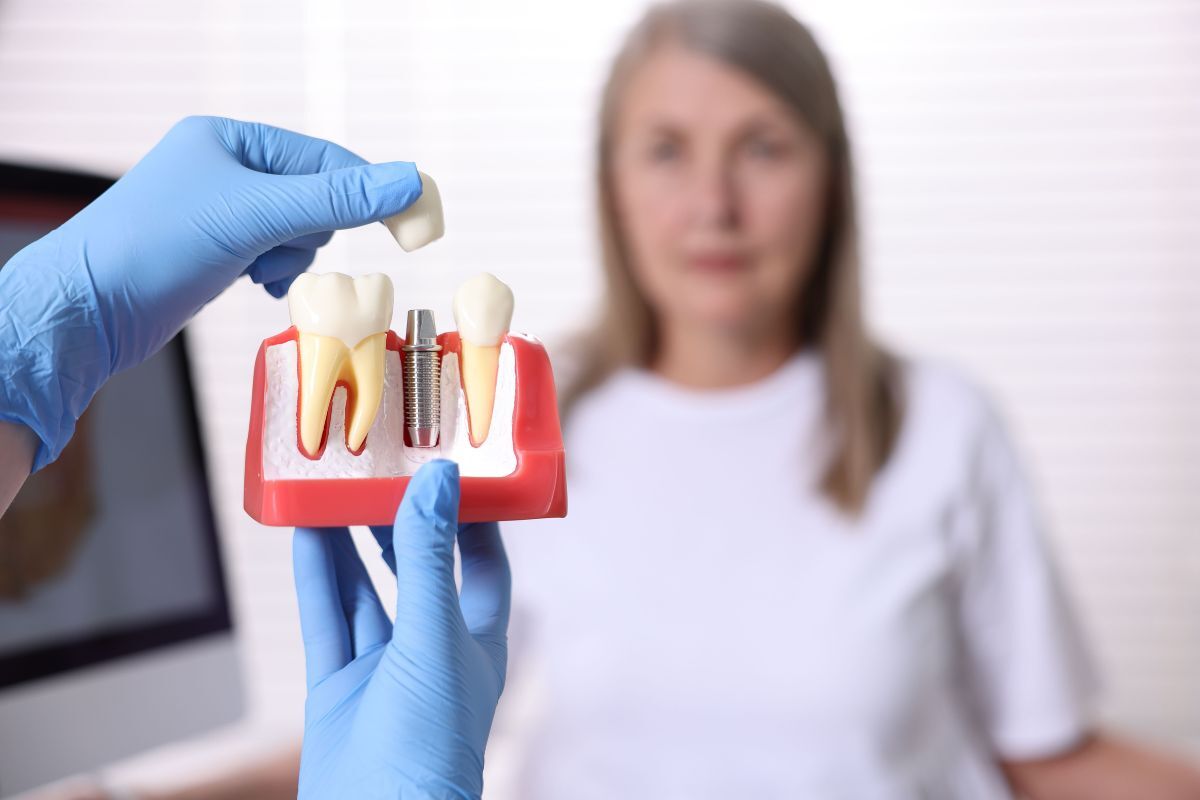
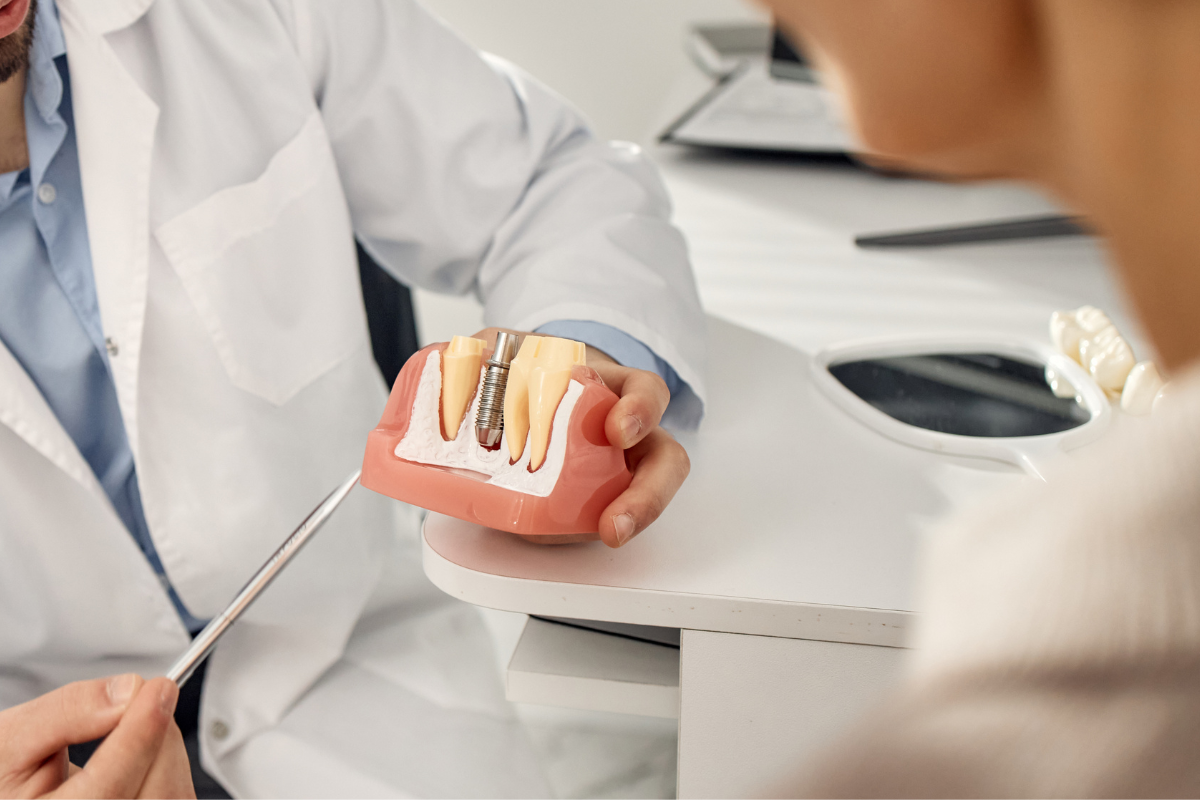
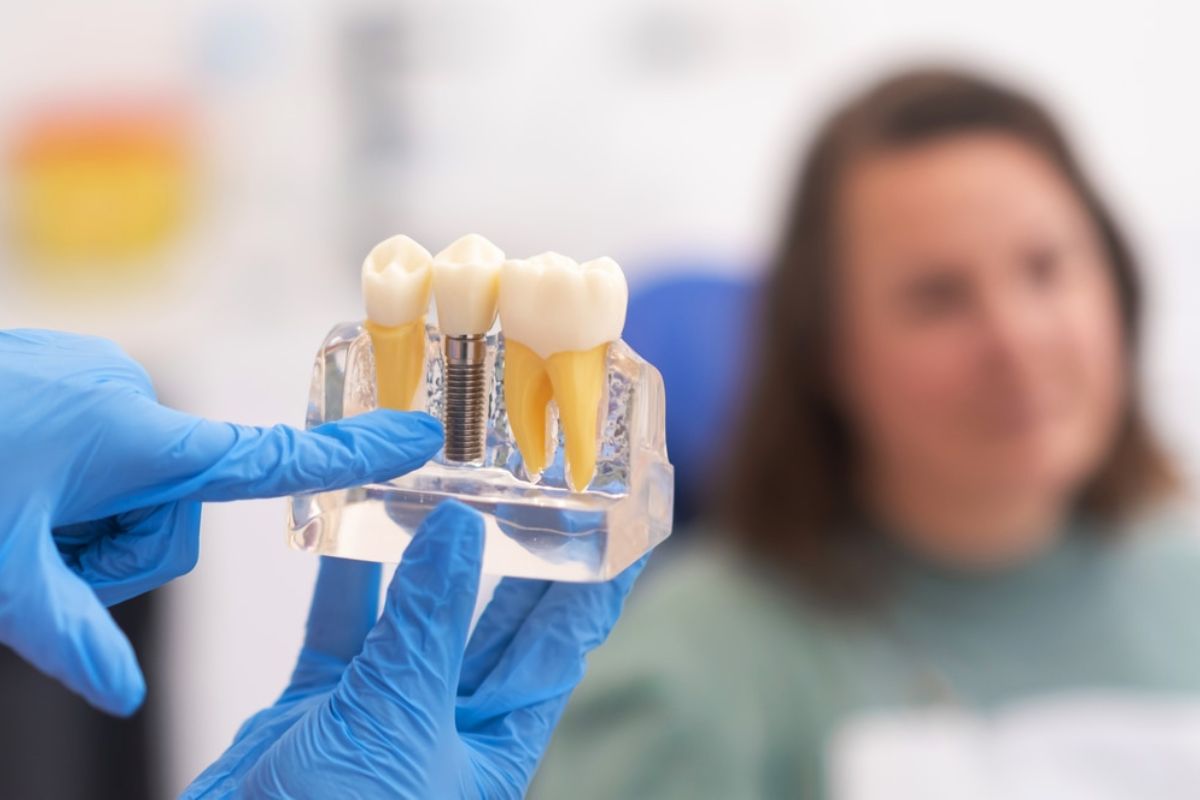
Dental implants are designed to be a long-term solution for missing teeth. Made of durable materials and anchored into the jawbone, they can restore both function and aesthetics. However, for people with bruxism, the excessive force and motion caused by grinding can compromise their success.
Here’s how:
- Bone Loss: The pressure from grinding may lead to gradual bone resorption around the implant.
- Loosening of the Implant: Over time, persistent clenching can cause the implant to shift or loosen.
- Fracture of the Crown or Abutment: The prosthetic portion of the implant may crack or break under intense grinding forces.
- Increased Risk of Implant Failure: Without early intervention, bruxism can ultimately result in the implant failing entirely.
If you’re undergoing treatment or maintenance for dental implants in Arcadia, it’s vital to address any signs of bruxism early with your dental care provider.
Signs You May Be Grinding Your Teeth
Not sure if you grind your teeth? Here are some common symptoms to watch for:
- Jaw soreness or tightness upon waking
- Headaches centered around the temples
- Flattened or chipped teeth
- Tooth sensitivity without obvious decay
- Disrupted sleep for yourself or your partner
Your dentist or periodontist can confirm the diagnosis and guide you toward effective solutions.
Managing Bruxism to Protect Your Implants
The good news? Bruxism is treatable. If you’re at risk or already have dental implants, your dentist can recommend several strategies to minimize damage:
Nightguards
Custom-fitted nightguards act as a barrier between your upper and lower teeth, reducing the wear and tear caused by grinding.
Stress Management
Since stress is a leading cause of bruxism, activities like yoga, meditation, or therapy can help reduce grinding episodes.
Monitoring and Regular Checkups
Consistent monitoring of your dental implants will help detect any early signs of bruxism-related issues. Early detection means easier solutions.
Bruxism might seem like a minor concern, but it can lead to major complications, especially for patients with dental implants. If you suspect teeth grinding is a part of your nightly routine, take action early. Implants are an investment in your oral health and confidence, and they deserve the proper care and protection.
If you’re dealing with bruxism and are considering or already have implants, it’s essential to consult with your local periodontist in Arcadia, CA, for expert evaluation and care.