What Are the Challenges of Placing Implants in Teens with Facial Trauma?

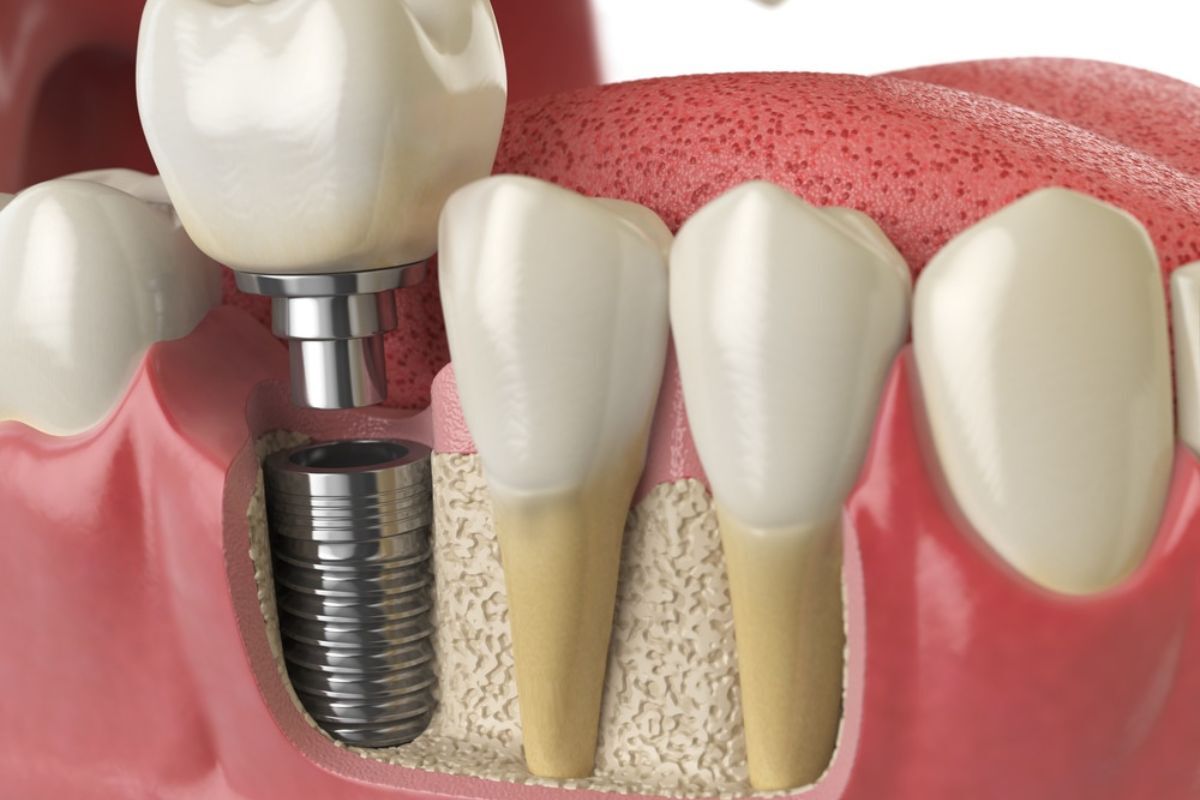
Dental restoartions offer an effective yet aesthetically pleasing solution for your missing teeth. Many people think that prosthetic teeth are suggested only for adults. This is not true since teens can also have implants to restore the function of their real teeth. However, placing restorations on teenage individuals can bring unique challenges. The issues can increase if the teen has experienced facial trauma. Younger people or teenagers are still growing, which can heavily affect the stability, function, and long-term success of the restoration. Learn about those challenges from a dentist.
1. Ongoing Facial Growth
Until their late teens or early twenties, teenagers’ jawbones and facial structures continue to develop. Placing a dental implant in Arcadia early may prevent misalignment from jaw growth over time. Restorations are fixed, causing practical and aesthetic issues, unlike natural teeth that move with the bone.
2. Bone Development and Density Issues
This implantation may become more difficult if facial trauma causes bone fractures, resorption, or irregular bone development. Bone grafting operations may be necessary because the damaged area may not have enough bone density to support a restoration. Anomalies in bone development may also impact the long-term durability of prosthetic teeth.
3. Risk of Implant Failure
Teenagers are more likely than adults to experience failure due to continuous skeletal alterations. Changes in prosthetic location brought on by the ongoing bone remodeling process may raise the risk of issues like peri-implantitis. The inflammation surrounding the restoration or implant loosening.
4. Psychological and Emotional Factors
Teens who have suffered facial injuries may struggle with self-esteem because of scars or missing teeth. These provide the best long-term substitute, but the several procedures and recovery times can be emotionally draining. The protracted course of treatment requires that patients and their families be emotionally and intellectually ready.
5. Alternative Temporary Solutions
Dental practitioners frequently suggest short-term fixes like removable dentures, bonded bridges, or orthodontic procedures because of the dangers of placing implants too soon. With these choices, function and appearance can be maintained while future restoration insertion is possible after growth is finished.
6. Timing and Multidisciplinary Care
Due to the intricacy of implant placement in teenagers who have experienced facial trauma. A multidisciplinary approach comprising oral surgeons, orthodontists, prosthodontists, and occasionally maxillofacial surgeons is necessary. The proper timing of the placement is crucial, and it frequently entails tracking the patient’s development over time via radiographic evaluations.
Restore Your Teeth’s Functionality With Us
Dental implants are a dependable treatment for tooth loss. However, it takes careful preparation to place them in youngsters who have suffered facial trauma. The treatment depends on a number of factors, including growth considerations, bone density issues, and psychological effects. Our dentist can offer tailored advice if you or a loved one is considering getting restorations after experiencing facial damage. Contact us at The Ivy Institute – Dental Specialists and Pain Management to restore your teeth.