Dental Implants Near Me: What Should I Look for During a Consultation?

If you’ve searched for dental implants near me, you’ve probably already discovered that there are many dental offices offering implant treatment.
The harder question is what happens after you make the appointment.
A dental implant consultation shouldn’t be limited to looking at the space where a tooth is missing. A comprehensive evaluation considers your gums, supporting bone, remaining teeth, bite, oral health, and goals for replacing the missing tooth.
Understanding what happens during the consultation can help you prepare better questions and make a more informed decision about treatment.
What Is the Purpose of an Implant Consultation?
The purpose of an implant consultation is to determine whether dental implants are appropriate for your situation and, if so, how treatment could be planned.
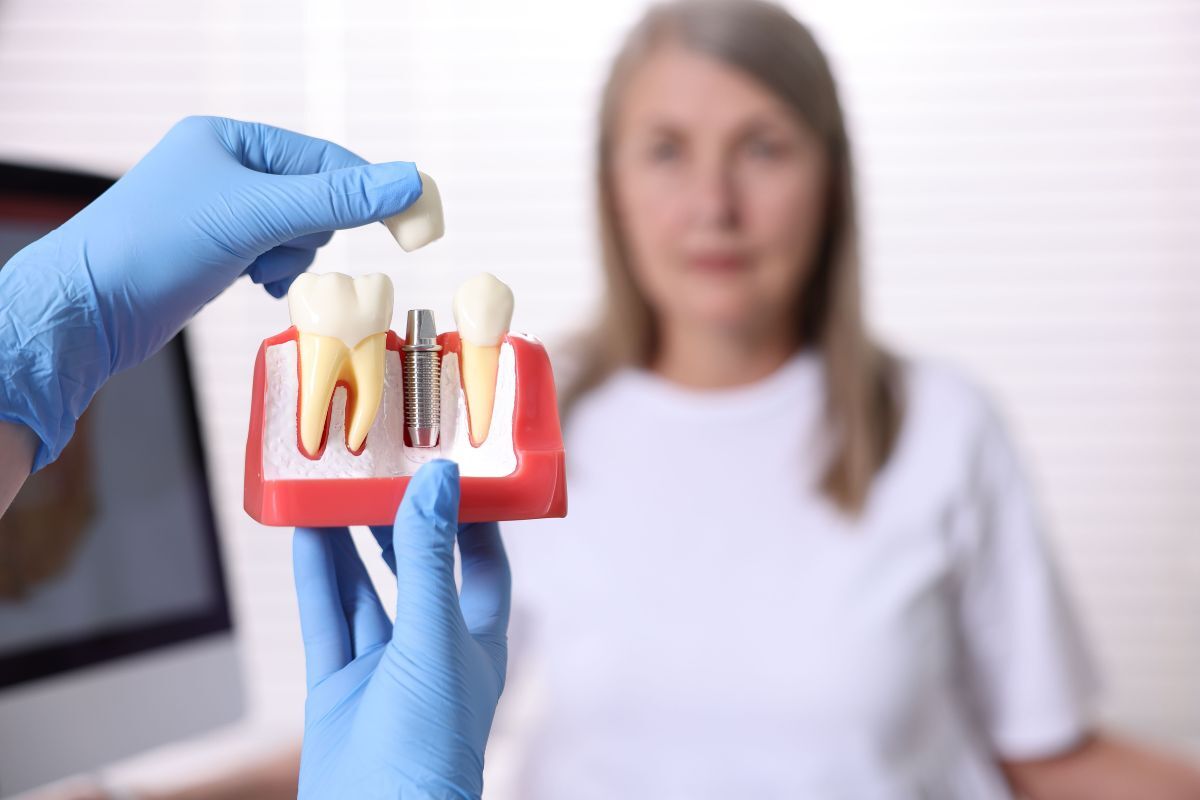
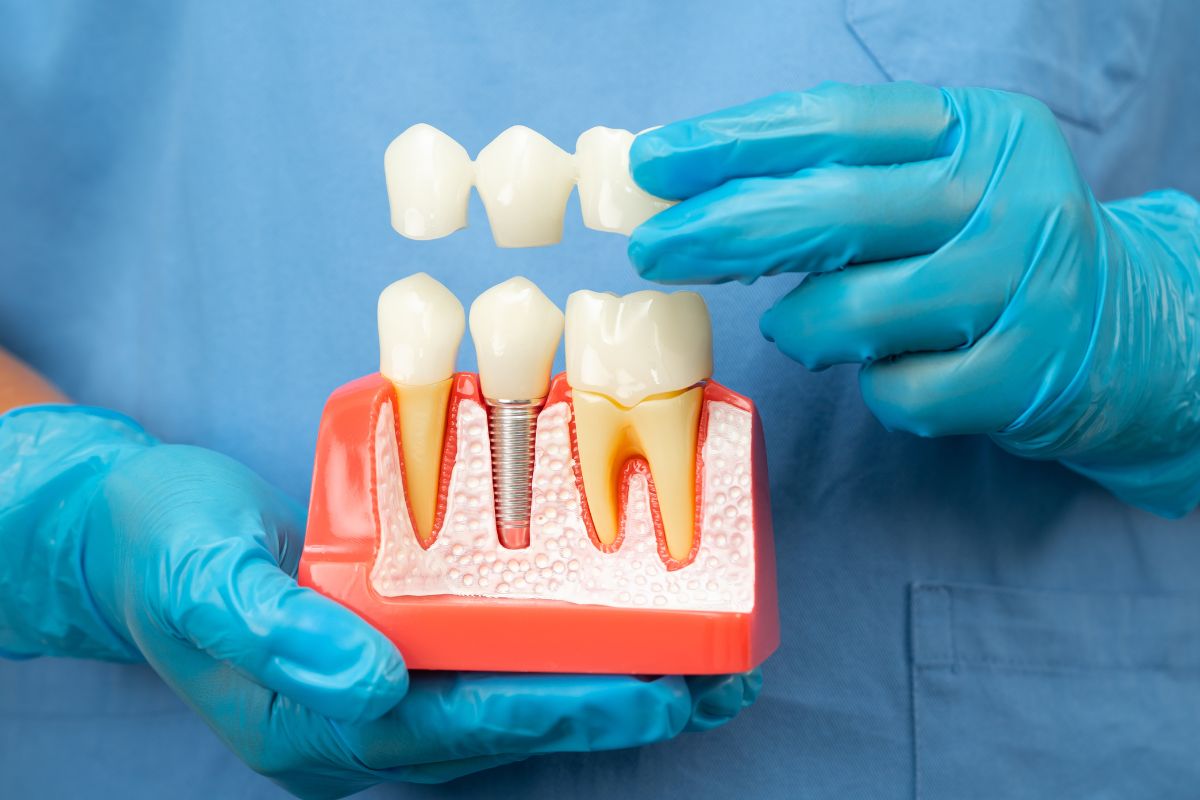
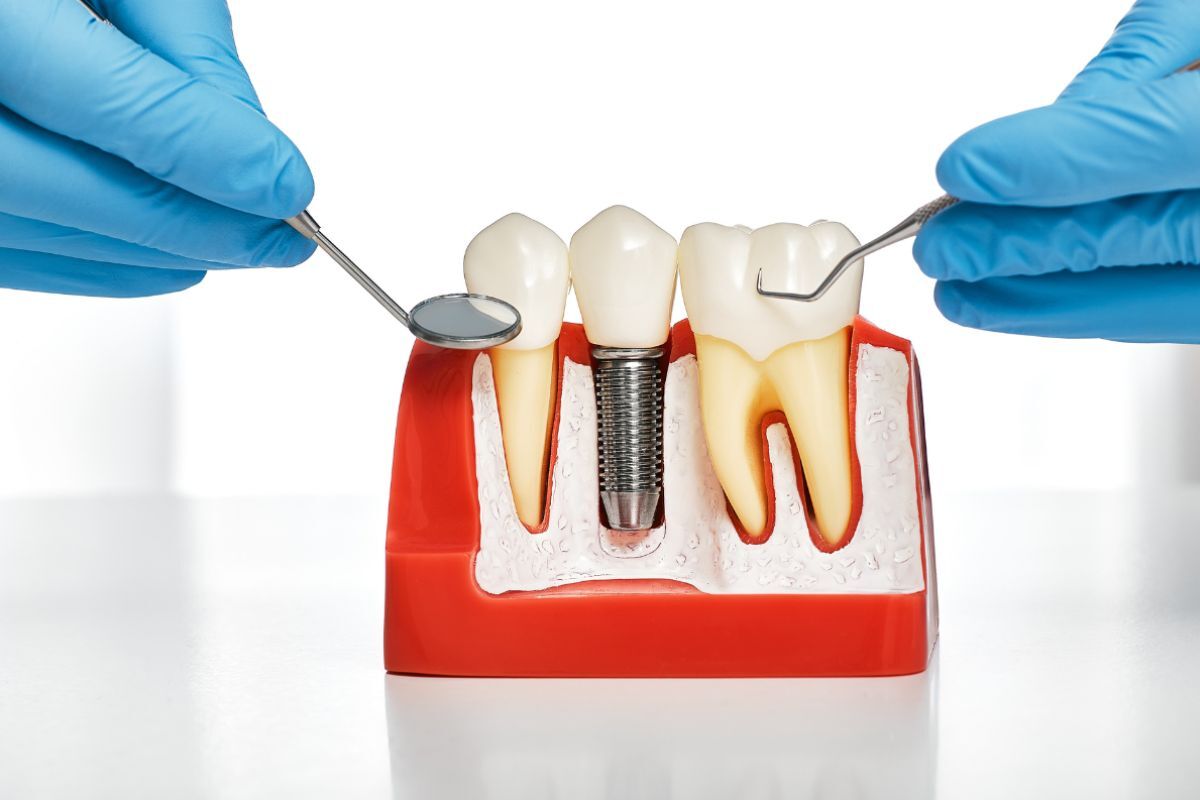
A dental implant replaces the root portion of a missing tooth and can support a restoration such as a crown.
But successful treatment depends on more than the implant itself.
Your specialist needs to understand the condition of the tissues supporting the proposed implant and whether any other dental concerns should be addressed first.
1. Your Dental History Should Be Part of the Discussion
Your treatment history can provide important information.
During your consultation, be prepared to discuss:
- When you lost the tooth
- How the tooth was lost
- Previous extractions
- Previous bone grafting
- Gum disease
- Existing dental restorations
- Previous implant treatment
- Any history of dental complications
If you’ve had recent X-rays or scans from another dental office, ask whether those records can be reviewed as part of your consultation.
2. Your Gums Should Be Evaluated
The health of your gums matters when planning dental implants.
Active periodontal disease or inflammation may need to be addressed before implant placement.
Your provider may evaluate the gums around the missing tooth as well as the condition of the surrounding teeth.
This broader evaluation is important because the goal isn’t simply to place an implant. The implant needs a healthy environment in which to function.
3. Your Jawbone Needs to Be Assessed
When a tooth has been missing, the supporting bone can change over time.
The amount and quality of bone available at the proposed implant site can therefore influence treatment planning.
Depending on your circumstances, your provider may determine that there is sufficient bone for implant placement or recommend additional treatment such as bone grafting.
Bone grafting isn’t automatically necessary for every implant patient.
It depends on the individual site and the amount of supporting bone available.
4. Imaging May Be Used to Plan Treatment
A clinical examination provides important information, but imaging can reveal additional details.
Depending on your case, your provider may use dental X-rays or three-dimensional imaging to evaluate:
- Bone dimensions
- Root positions of neighboring teeth
- Anatomical structures
- Implant positioning
- Available space
The purpose of imaging is to help the treatment team understand the anatomy before implant placement.
5. Ask What Your Complete Treatment Plan Includes
One of the most useful questions during an implant consultation is:
“What are all the stages of my treatment?”
Your plan may involve several steps, depending on your needs.
These could include:
- Initial examination
- Diagnostic imaging
- Treatment of existing oral health problems
- Bone grafting, if indicated
- Implant placement
- Healing
- Final restoration
- Long-term maintenance
Not every patient requires every stage.
Your provider should explain which steps apply to your case and why.
6. Ask Who Will Handle the Restoration
The implant is not the final visible tooth.
Once the implant has healed sufficiently, a restoration such as a crown is attached to recreate the missing tooth.
Depending on the practice and your treatment plan, the surgical and restorative portions may involve different dental professionals.
Ask:
- Who will place the implant?
- Who will provide the crown?
- How will the providers coordinate?
- Who will handle follow-up appointments?
Knowing this before treatment can make the process easier to understand.
7. Discuss Alternatives to Dental Implants
Dental implants can be an effective option for replacing missing teeth, but they aren’t necessarily the only option.
Depending on your oral health and circumstances, alternatives may include:
- A traditional dental bridge
- A removable partial denture
- Other restorative approaches
The appropriate option depends on factors such as the location of the missing tooth, surrounding teeth, bone condition, oral health, and personal preferences.
A consultation should help you understand why a particular treatment is being recommended rather than simply presenting one option.
8. Ask About the Expected Timeline
Implant treatment doesn’t always happen in one appointment.
Your timeline can depend on:
- Whether the tooth has already been extracted
- Available bone
- Need for bone grafting
- Healing
- Implant integration
- Restorative treatment
- Overall oral health
Ask your provider to explain the anticipated sequence and which factors could make treatment shorter or longer.
Having realistic expectations can make the process much easier to manage.
9. Understand the Long-Term Maintenance
Your responsibilities don’t end when the final restoration is placed.
Although the implant itself cannot develop tooth decay like a natural tooth, the surrounding gum and bone still require care.
Long-term implant maintenance may involve:
- Daily brushing
- Cleaning between teeth
- Routine dental examinations
- Professional cleanings
- Periodontal monitoring
- Prompt evaluation of changes around the implant
Ask what follow-up schedule your provider recommends.
10. Make Sure Your Questions Are Answered Clearly
A good consultation should leave you with a clear understanding of your treatment—not a collection of unanswered questions.
Before leaving, consider asking:
- Why are implants appropriate for me?
- Do I need bone grafting?
- What imaging is needed?
- How long will treatment take?
- Who will perform each stage?
- What restoration will I receive?
- What alternatives should I consider?
- What will maintenance involve?
You don’t need to make every decision during your first appointment.
The purpose of the consultation is to understand your options.
What If You Have More Than One Missing Tooth?
Replacing several missing teeth requires additional treatment planning.
You may not necessarily need one implant for every missing tooth.
Depending on the number and position of missing teeth, the available bone, and the desired restoration, an implant-supported bridge or another treatment approach may be considered.
Your specialist can evaluate the overall situation rather than looking at each missing tooth in isolation.
Dental Implants Near Me in Arcadia, CA
For patients searching for dental implants near me in Arcadia, a local specialty practice can provide convenient access to consultations and follow-up care.
The Ivy Institute provides periodontal and implant specialty care in Arcadia, with treatment planning based on the patient’s individual oral health and treatment needs.
The practice evaluates factors such as gum health and supporting bone when planning implant treatment and can coordinate care with restorative providers when appropriate.
The Bottom Line
Searching for dental implants near me is a good starting point, but the consultation is where you can learn whether implants are appropriate for your individual situation.
Look for a consultation that evaluates your gums and bone, uses appropriate diagnostic imaging, explains the complete treatment sequence, discusses alternatives, and gives you a realistic understanding of the timeline and long-term maintenance.
The best treatment plan isn’t necessarily the simplest one.
It’s the one that is appropriate for your oral health, clearly explained, and designed around your individual needs.
If you’re considering dental implants in Arcadia, The Ivy Institute can evaluate your situation and discuss your available treatment options.
FAQs
What happens during a dental implant consultation?
The provider typically reviews your dental history, examines your gums and supporting bone, evaluates the missing-tooth area, uses appropriate imaging, and discusses possible treatment options and timelines.
Do I need healthy gums before getting dental implants?
Healthy supporting tissues are important for implant treatment. If active periodontal disease or other problems are identified, they may need to be addressed before implant placement.
Will I need a bone graft before getting an implant?
Not necessarily. Bone grafting may be recommended when there isn’t enough suitable bone at the proposed implant site.
Can I get dental implants if I’ve been missing a tooth for years?
Possibly. The length of time a tooth has been missing doesn’t by itself determine candidacy. Your provider will need to evaluate the current condition of the bone, gums, and surrounding teeth.
Are dental implants the only way to replace a missing tooth?
No. Depending on your circumstances, alternatives may include a dental bridge, removable partial denture, or other restorative options. Your dentist or specialist can explain which options may be appropriate.