Dental Implants Near Me: How to Compare Treatment Plans

Searching for dental implants near me is often the first step after losing a tooth. But once you start comparing local practices, you may notice that implant treatment plans can look very different from one provider to another.
One office may recommend placing an implant soon after an extraction. Another may suggest waiting. One patient may need bone grafting, while another may not. Some treatment plans involve several specialists, while others are coordinated through one practice.
These differences don’t necessarily mean one provider is right and another is wrong. Dental implant treatment is highly individualized.
Instead of comparing offices based only on price, distance, or online reviews, it can be more helpful to understand what a complete implant treatment plan should address.
Why Dental Implant Treatment Plans Can Differ
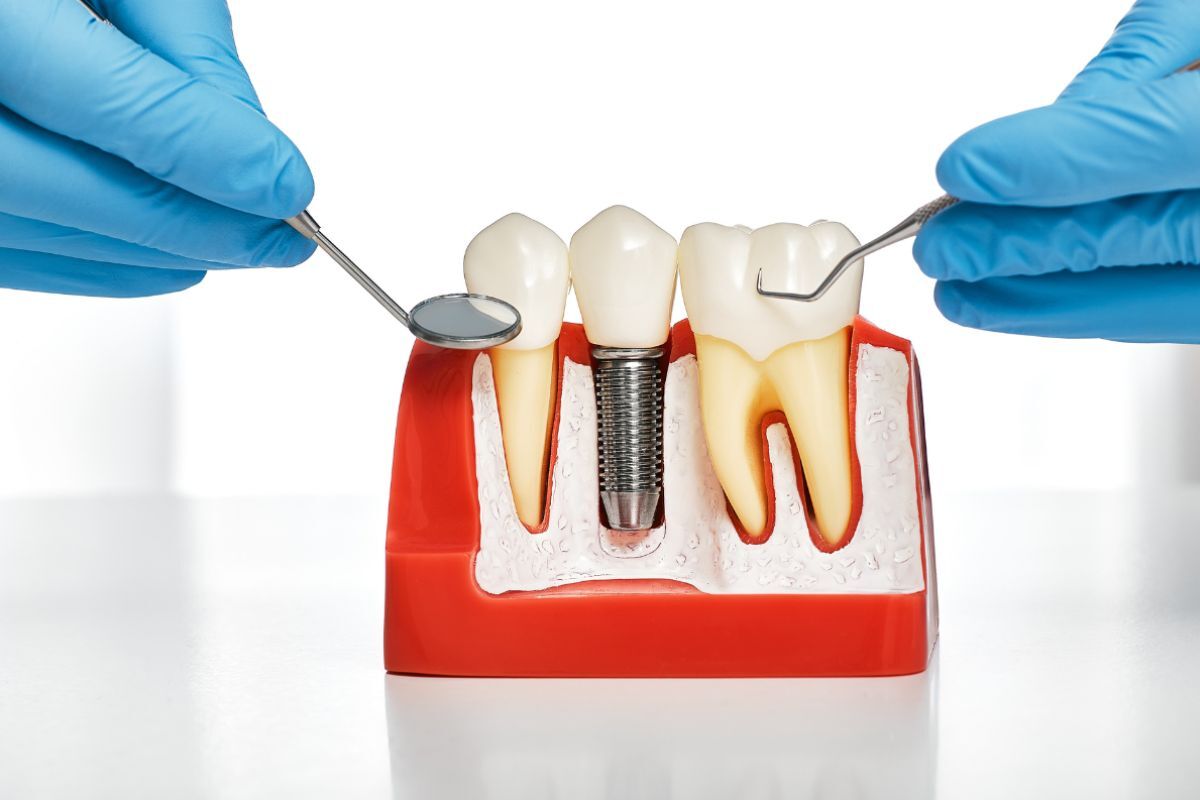
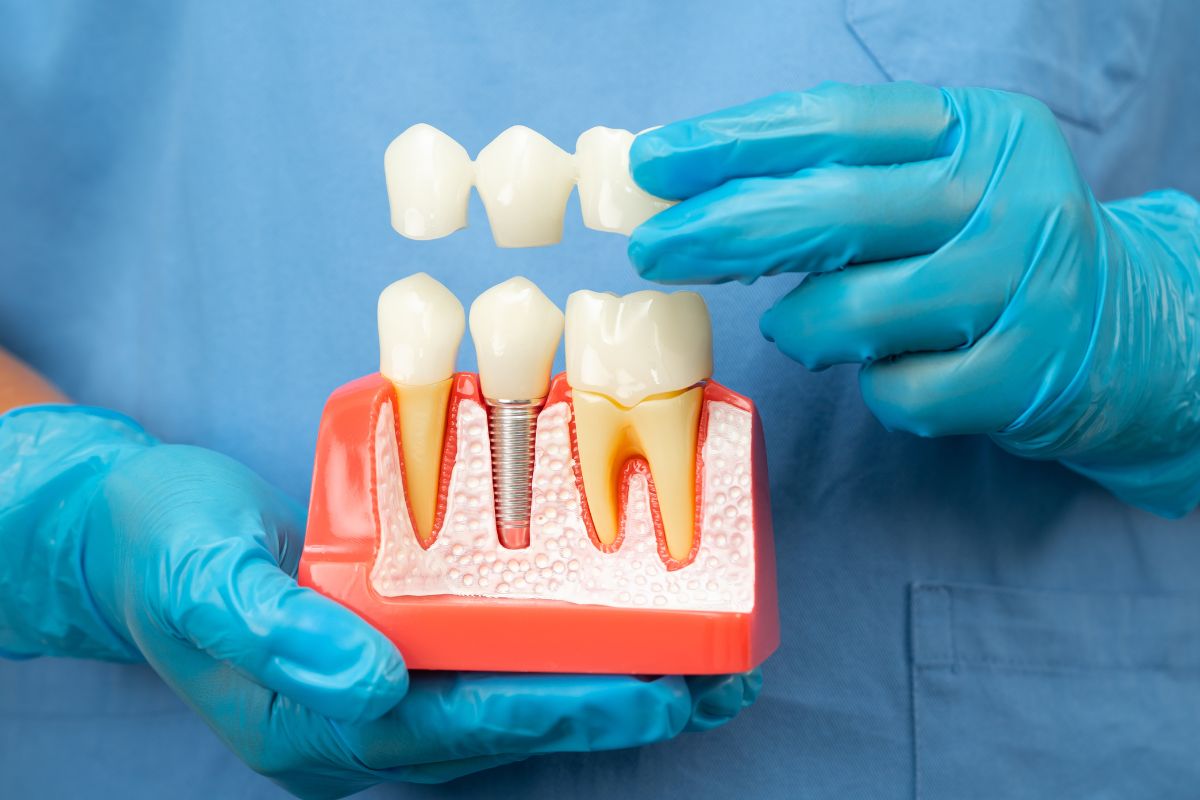
A dental implant replaces the root portion of a missing tooth and supports a restoration such as a crown. But the treatment isn’t simply a matter of putting an implant into an empty space.
Your gums, jawbone, remaining teeth, bite, oral hygiene, and overall dental health can all influence treatment planning.
For example, a patient who recently lost a single tooth and has healthy supporting bone may have a relatively straightforward plan.
Someone who has been missing a tooth for several years may have experienced changes in the surrounding bone and require additional treatment before implant placement.
That is why two patients searching for dental implants near me may receive completely different recommendations.
1. Look at What the Treatment Plan Evaluates
A strong treatment plan should begin with an evaluation rather than jumping directly to implant placement.
Your provider may assess:
- The condition of your gums
- The amount and quality of available bone
- The position of neighboring teeth
- Your bite and chewing forces
- Existing dental restorations
- Oral hygiene
- Signs of infection or periodontal disease
- The location of important anatomical structures
The goal is to understand the environment where the implant will be placed.
Healthy supporting tissues can be an important part of achieving predictable implant treatment.
2. Ask What Imaging Will Be Used
Dental X-rays provide valuable information, but some implant cases require additional imaging.
Three-dimensional imaging may help the implant team evaluate bone dimensions and the relationship between the proposed implant site and surrounding anatomical structures.
Ask your provider:
- What imaging will I need?
- What does the imaging show?
- How will the information affect my treatment plan?
- Will additional imaging be necessary before surgery?
The important issue isn’t simply whether a practice advertises advanced technology. The technology should be used when it provides clinically useful information for your particular case.
3. Find Out Whether You Need Additional Treatment First
Sometimes implant placement is not the first step.
If periodontal disease, infection, insufficient bone, or another oral health concern is identified, your provider may recommend addressing that issue before moving forward.
Bone grafting may also be considered when there isn’t enough suitable bone for the planned implant.
This is one reason it can be misleading to compare implant treatment based solely on an advertised starting price.
A treatment plan that includes necessary preliminary care may have a different cost and timeline than a straightforward implant case.
4. Understand the Full Timeline
Dental implant treatment can involve several stages.
Depending on your circumstances, the process may include:
- Initial examination and treatment planning
- Necessary periodontal or restorative treatment
- Bone grafting or site development, when indicated
- Implant placement
- Healing and integration
- Placement of the final restoration
- Ongoing maintenance
Not every patient will need every step.
Ask for an explanation of your expected sequence of care and what factors could change the timeline.
5. Ask Who Handles Each Part of Treatment
An implant is only one component of tooth replacement.
After the implant has healed, a restoration such as a crown may be placed to recreate the visible portion of the tooth.
Depending on the practice and your needs, the surgical and restorative portions may involve different dental professionals.
Ask:
- Who will place the implant?
- Who will design or place the restoration?
- How will the providers communicate?
- Who should I contact if I have a problem?
- Who will monitor the implant after treatment?
Clear communication between the surgical and restorative teams can make the overall process easier to understand.
6. Compare the Explanation, Not Just the Price
Cost is a legitimate part of any treatment decision, but the lowest quoted price doesn’t necessarily represent the lowest overall cost.
When comparing dental implants near me, ask whether each estimate includes the same components.
For example, one treatment plan may include:
- Diagnostic imaging
- Implant placement
- Bone grafting
- Temporary restoration
- Final restoration
- Follow-up visits
Another estimate may cover only the implant surgery.
Before comparing numbers, make sure you’re comparing comparable services.
A detailed treatment plan should explain what is included and identify additional procedures that may be necessary.
7. Consider What Happens After the Implant Is Restored
Implant treatment doesn’t end when the final crown or other restoration is placed.
The implant itself cannot develop a conventional cavity, but the tissues around it still require care.
Regular dental visits, good oral hygiene, and professional monitoring can help protect the health of the surrounding gums and bone.
Ask your provider what maintenance appointments will be recommended after treatment and whether periodontal monitoring will be part of your long-term care.
8. Choose a Plan You Understand
A good consultation should leave you with answers—not more confusion.
Before agreeing to treatment, you should understand:
- Why an implant is being recommended
- What alternatives may exist
- Whether additional treatment is necessary
- How long treatment may take
- Who will perform each stage
- What the estimated costs include
- What follow-up care will involve
You don’t need to understand every technical detail. But your provider should be able to explain the important decisions in language you can understand.
What If You Have Been Missing a Tooth for a Long Time?
A long-standing missing tooth does not automatically mean you’re unable to receive an implant.
However, the condition of the supporting bone and surrounding tissues may have changed over time.
Your implant specialist can evaluate the site and determine whether additional treatment is needed before implant placement.
This individualized assessment is more useful than trying to determine implant candidacy based on the length of time you’ve had a missing tooth alone.
Dental Implants Near Me in Arcadia, CA
For patients searching for dental implants near me in Arcadia and the surrounding San Gabriel Valley, choosing a local specialty practice can make consultations and follow-up care more convenient.
The Ivy Institute provides periodontal and implant specialty care in Arcadia, with treatment planning based on each patient’s oral health, supporting tissues, and individual needs.
The practice’s implant services are provided within a specialty setting that includes periodontic care, allowing factors such as gum health and supporting bone to be considered as part of implant planning.
The Bottom Line
When comparing dental implants near me, don’t compare practices by distance or price alone.
Look closely at the treatment plan.
A comprehensive plan should explain the condition of your gums and bone, necessary imaging, any preliminary treatment, the implant procedure, restorative care, expected timeline, and long-term maintenance.
The right plan is the one that addresses your individual needs and gives you a clear understanding of what comes next.
If you’re considering dental implants in Arcadia, The Ivy Institute can evaluate your oral health and discuss appropriate tooth-replacement options with you.
FAQs
What should I compare when looking for dental implants near me?
Compare the provider’s specialty training, diagnostic evaluation, treatment plan, implant experience, restorative coordination, expected timeline, costs, and follow-up care—not just location.
Do dental implants always require bone grafting?
No. Bone grafting may be recommended when the available bone is insufficient for the planned implant. Your provider can determine whether grafting is appropriate after evaluating the implant site.
How long does dental implant treatment take?
Treatment time varies. Some patients have relatively straightforward treatment, while others need additional procedures or longer healing periods before the final restoration can be placed.
Who places the dental implant?
Implant placement may be performed by a qualified dental specialist, such as a periodontist, depending on the patient’s needs and the practice’s treatment model.
What happens after a dental implant is placed?
The implant typically needs a period of healing before the final restoration is attached. Your treatment team will provide instructions and schedule follow-up visits to monitor healing and complete the restoration.