What Happens If You Ignore a Cracked Tooth?


A cracked tooth might seem like a minor annoyance at first—a slight twinge when you bite down or a fleeting sensitivity to hot or cold. But ignoring it can lead to serious consequences that affect not just your smile but your overall oral health. A cracked tooth isn’t just a cosmetic issue; it’s a gateway to complications that can escalate quickly. Let’s dive into what happens if you brush off this dental red flag and why acting promptly is crucial.
Why Do Teeth Crack?
Teeth can crack for various reasons. Chewing hard foods like ice or nuts, sudden trauma from an injury, or even grinding your teeth at night can cause a fracture. Aging plays a role too—over time, teeth weaken, making them more susceptible to cracks. Sometimes, large fillings or untreated cavities compromise a tooth’s structure, leading to fractures. Understanding the cause helps you grasp why a cracked tooth demands attention.
Types of Tooth Cracks
Not all cracks are the same. Here’s a quick breakdown:
- Craze Lines: Superficial cracks on the enamel, often harmless but worth monitoring.
- Fractured Cusp: A break near a filling, usually affecting the chewing surface.
- Cracked Tooth: A fracture extending into the dentin or pulp, causing pain.
- Split Tooth: A severe crack splits the tooth into distinct segments.
- Vertical Root Fracture: A crack starting at the root, often tricky to diagnose.
Each type carries risks if ignored, from mild discomfort to tooth loss.
Immediate Symptoms of a Cracked Tooth
A cracked tooth often announces itself with sharp pain when chewing or sensitivity to temperature changes. You might notice discomfort when eating certain foods or drinking hot coffee or ice-cold water. Some cracks cause intermittent pain, making it tempting to ignore them. Others might not hurt at all initially, which can be deceptive. Swelling, gum irritation, or even bad breath can signal a deeper issue. These symptoms are your tooth’s way of waving a warning flag.
Short-Term Risks of Ignoring a Cracked Tooth
Brushing off a cracked tooth can lead to immediate problems. The crack can worsen with every bite, deepening the fracture. Bacteria can seep into the crack, causing decay or infection. Pain may intensify, disrupting your daily life—imagine wincing every time you enjoy a meal. In some cases, the crack exposes the tooth’s nerve, leading to acute sensitivity or throbbing pain. If the crack reaches the pulp, you’re looking at a potential dental emergency.
Infection and Abscess Formation
One of the biggest risks is infection. A crack creates an entry point for bacteria, which can invade the tooth’s inner layers. This can lead to a painful abscess—a pus-filled pocket that forms at the root. Abscesses cause swelling, severe pain, and even fever. If untreated, the infection can spread to surrounding tissues or even your jawbone, complicating treatment.
Long-Term Consequences of Neglecting a Cracked Tooth
Ignoring a cracked tooth doesn’t just amplify short-term issues; it sets the stage for serious long-term damage. The fracture can extend into the root, making the tooth unsalvageable. You might face tooth loss, which affects your bite, speech, and confidence. A missing tooth can cause adjacent teeth to shift, leading to misalignment or further dental issues. Bone loss in the jaw is another concern, as the lack of tooth stimulation weakens the bone over time.
Impact on Overall Oral Health
A cracked tooth doesn’t exist in isolation. It can trigger a domino effect. For example, chewing on the opposite side to avoid pain can strain other teeth, leading to additional cracks or wear. Infections from an ignored crack can spread to neighboring teeth or gums, causing periodontal issues. Your oral health is interconnected, and one untreated problem can cascade into multiple complications.
Cracked Tooth Treatment Options in Arcadia, CA
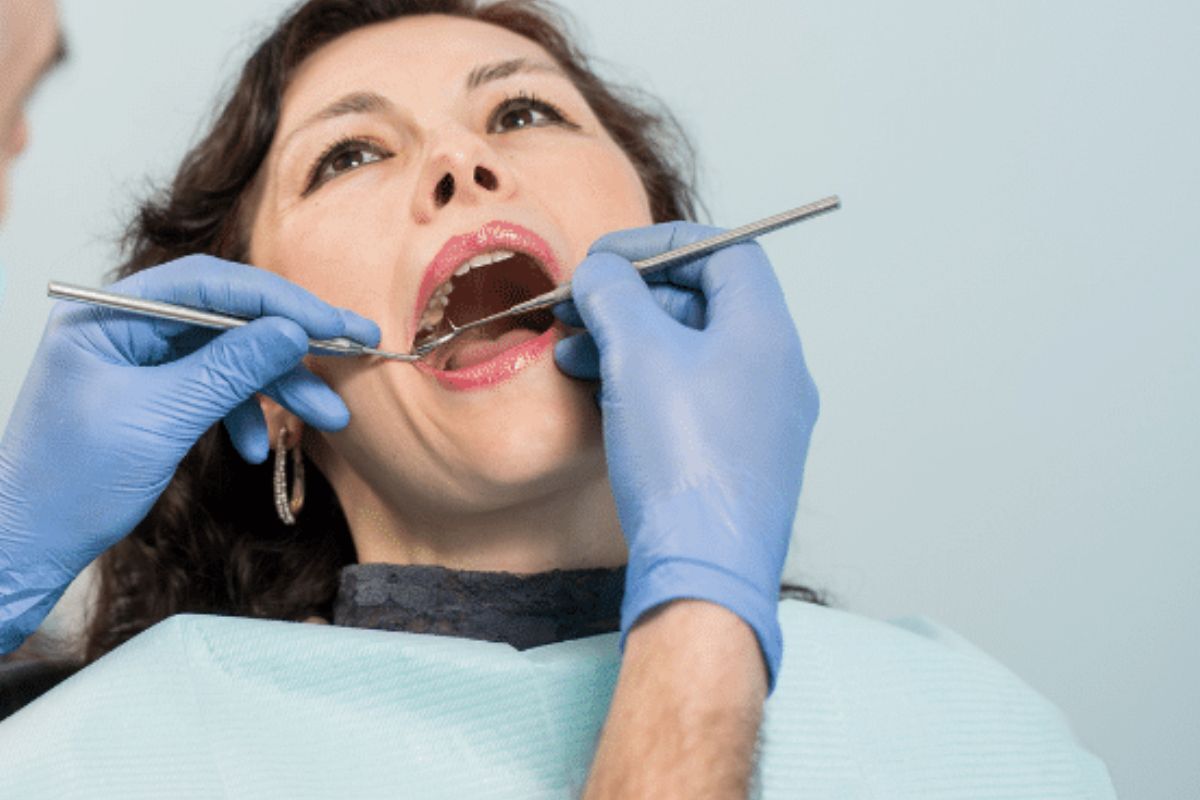
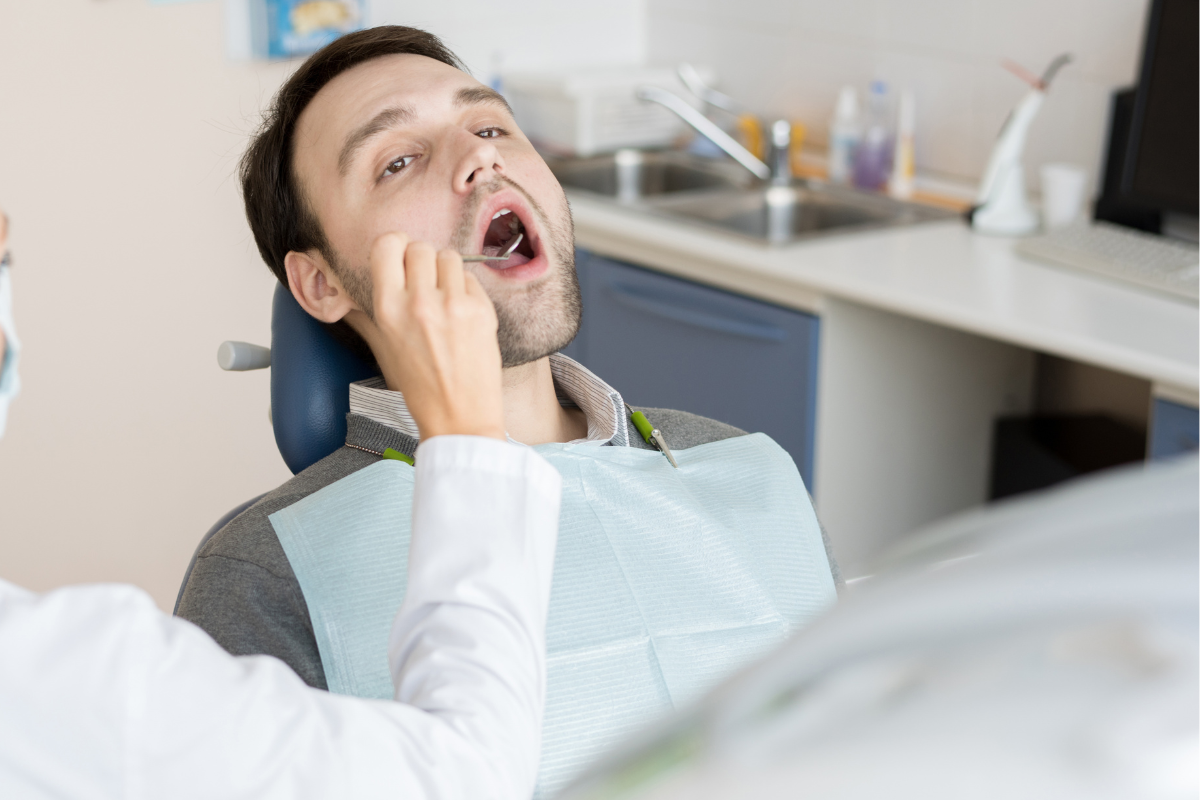
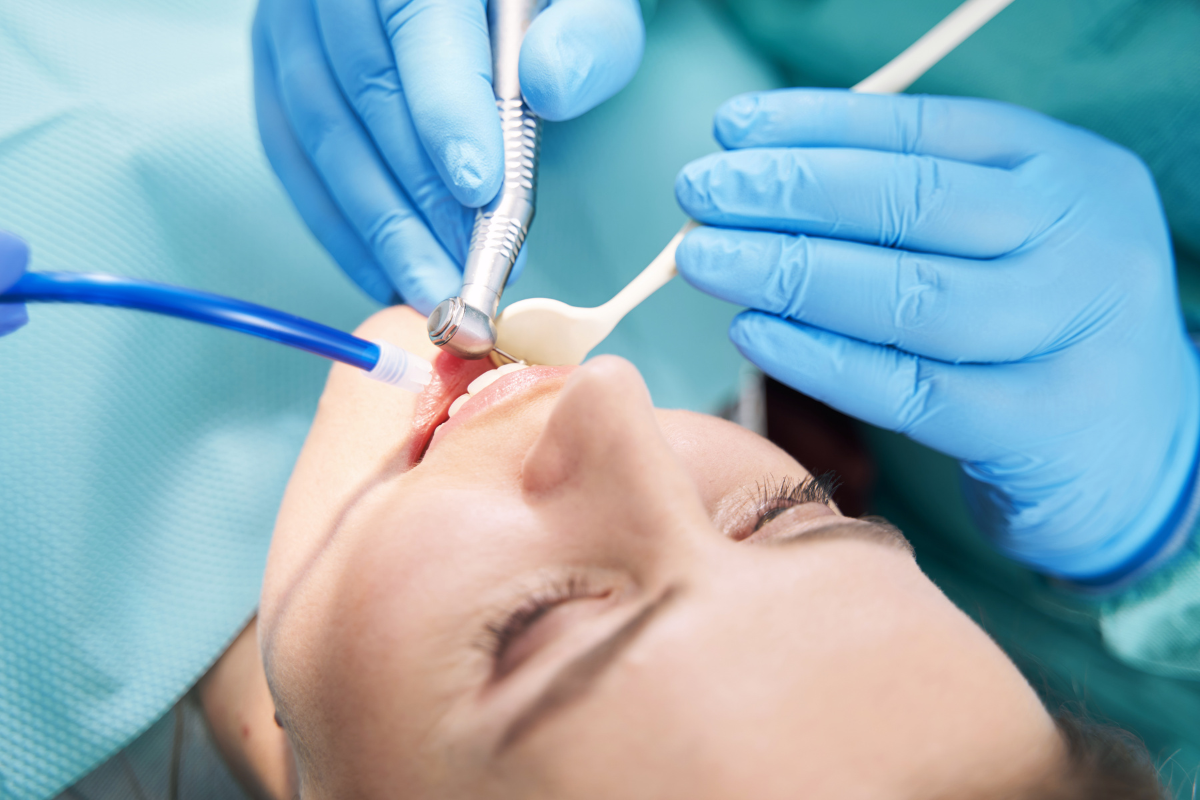
If you’re dealing with a cracked tooth, seeking professional care is essential. Cracked tooth treatment in Arcadia, CA, offers solutions tailored to the crack’s severity. Minor cracks might be fixed with bonding or a crown to protect the tooth. More severe cases may require a root canal to remove damaged pulp and prevent infection. For split or irreparable teeth, extraction followed by a dental implant or bridge may be necessary. A skilled dentist will assess your tooth with advanced tools like X-rays to determine the best approach.
Why See an Endodontist?
For complex cases, an endodontist specializes in treating the tooth’s inner structures. If you are searching for an “endodontist near me“, you’ll find experts who use advanced techniques like microscopic surgery to save damaged teeth. Their precision ensures better outcomes, especially for cracks involving the pulp or root. Visiting a specialist can make the difference between saving your tooth and losing it.
Trending FAQs on Cracked Teeth
Here are answers to common questions people ask about cracked teeth, based on popular Google searches:
- Can a cracked tooth heal on its own?
No, a cracked tooth cannot heal naturally. Unlike bones, teeth don’t regenerate. Professional treatment is needed to prevent worsening. - Is a cracked tooth a dental emergency?
It depends. Severe pain, swelling, or signs of infection require immediate care. Minor cracks should still be checked promptly to avoid complications. - How do I know if my tooth is cracked?
Symptoms include pain when chewing, sensitivity to hot or cold, or visible cracks. A dentist can confirm with an exam or imaging. - Can I wait to fix a cracked tooth?
Waiting can worsen the crack, leading to infection, tooth loss, or more extensive treatment. Early intervention is best. - What causes a tooth to crack suddenly?
Trauma, biting hard objects, grinding, or weakened teeth from cavities or large fillings can cause sudden cracks.
How to Prevent Further Damage
While waiting to see a dentist, take these steps to minimize harm:
- Avoid chewing on the affected side.
- Stick to soft foods and avoid extreme temperatures.
- Rinse with warm salt water to keep the area clean.
- Use over-the-counter pain relievers if needed, but don’t delay professional care.
These measures are temporary—seeing a dentist quickly is the best way to protect your tooth.
The Importance of Timely Action
Addressing a cracked tooth early can save you from pain, complications, and extensive treatments. Modern dentistry offers effective solutions to preserve your natural tooth whenever possible. Whether it’s a simple bonding procedure or a root canal, acting fast prevents minor issues from becoming major headaches. Your smile and oral health deserve prompt attention.
A cracked tooth might start as a small nuisance, but ignoring it invites a host of problems—from infections to tooth loss. Don’t let a minor crack derail your oral health. By understanding the risks and seeking timely care, you can protect your smile and avoid complex treatments. Schedule a dental visit as soon as you notice symptoms. Your teeth are worth it.