
Dental Implant Costs Explained: What Actually Affects the Price?

If you’ve been researching tooth replacement, you’ve probably noticed that dental implant prices can vary significantly. The total cost depends on more than the implant itself. The number of teeth being replaced, your jawbone health, the type of restoration, and any additional treatments can all affect the final price.
At The Ivy Institute – Dental Specialists and Pain Management in Arcadia, CA, patients can discuss their treatment needs and the factors that influence their dental implant treatment plan. Understanding these costs before beginning treatment can help you compare options, ask informed questions, and plan for the investment.
Why Do Dental Implant Costs Vary?
No two dental implant cases are exactly alike. Some patients need a straightforward single-tooth replacement, while others require multiple implants or additional procedures before placement can begin.
Several factors contribute to the overall cost, including the complexity of your case, the components used, diagnostic services, and the expertise required to plan and complete treatment.
It’s also important to understand what’s included in a quoted price. One estimate may cover only the implant placement, while another may include the abutment, crown, imaging, and follow-up appointments. Comparing the total treatment plan—not just the initial price—gives you a clearer picture of the investment.
7 Factors That Affect Dental Implant Costs in Arcadia
1. The Number of Implants Needed
Replacing a single missing tooth generally involves a different treatment plan from replacing several teeth or an entire arch. Multiple implants may require additional surgical time, components, and restorative work.
Your dentist or specialist will evaluate how many teeth need replacement and determine the appropriate treatment approach for your situation.
2. The Implant, Abutment, and Crown
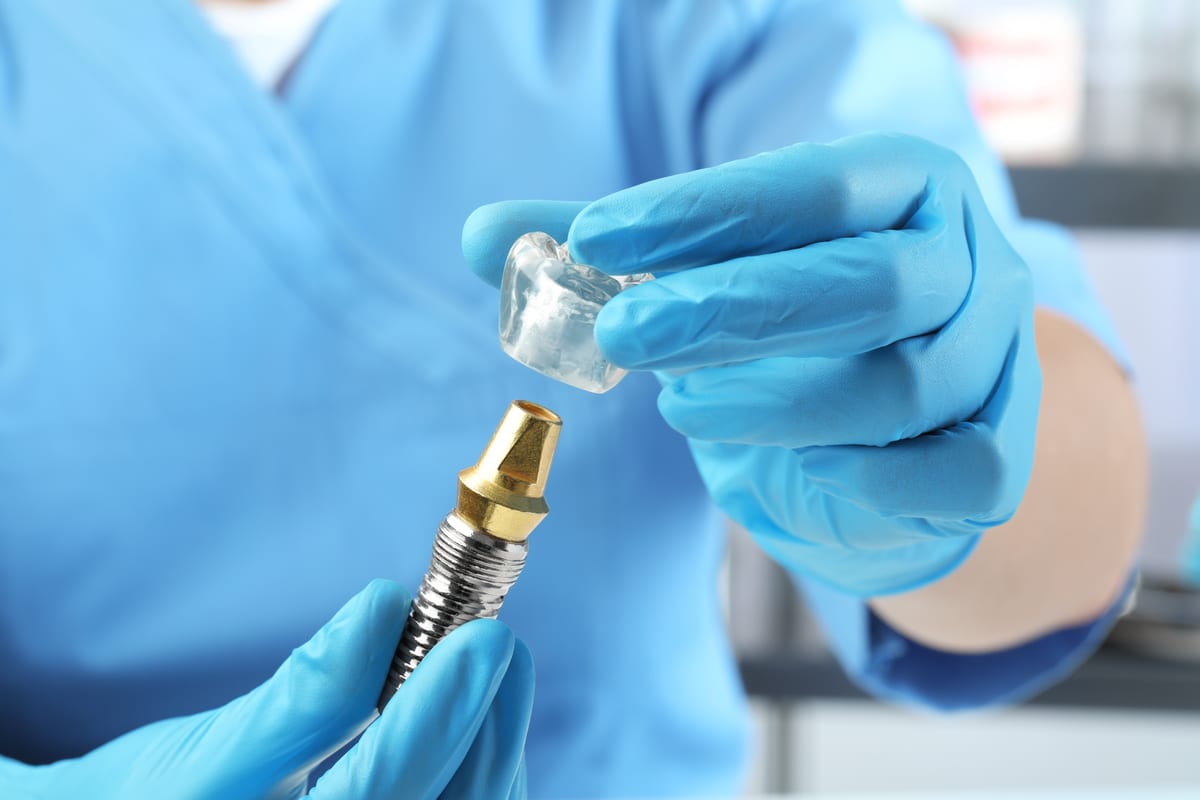
A dental implant restoration typically includes three components:
- Implant post: The component placed in the jawbone to support the replacement tooth.
- Abutment: The connector between the implant post and the restoration.
- Crown or other restoration: The visible replacement tooth or teeth.
Material selection, the type of restoration, and the components required can affect the overall price. The appropriate choice depends on your clinical needs, the location of the missing tooth, and your treatment plan.
When reviewing an estimate, ask whether all three components are included.
3. Bone Grafting and Other Preparatory Procedures
A sufficient amount of healthy jawbone is needed to support an implant. If bone has deteriorated following tooth loss or other oral health problems, bone grafting may be recommended.
A graft can add procedures, appointments, healing time, and cost. However, not every patient needs one. An examination and appropriate imaging help the treating provider assess your bone volume and determine whether additional treatment is necessary.
Tooth extractions may also affect the total if a damaged or non-restorable tooth must be removed before or during implant treatment.
4. Diagnostic Imaging and Treatment Planning
Careful planning helps the treating provider evaluate your anatomy and determine where an implant may be placed. Depending on your case, the assessment may involve dental X-rays, a cone beam CT scan, or other diagnostic procedures.
These services may be included in a treatment quote or billed separately. Ask which diagnostic services are necessary and whether their costs are included in the estimate.
5. Gum Health and Other Dental Conditions
Healthy gums and appropriate oral health care are important considerations before implant placement. Active gum disease may need to be treated and controlled before proceeding.
Other teeth may also require attention as part of your overall treatment plan. For example, if a neighboring tooth has a persistent infection following an earlier root canal, root canal retreatment in Arcadia may be considered if clinically appropriate. For a tooth that may be preserved with initial root canal treatment, root canal therapy in Arcadia may be another option.
These treatments are not required for every implant patient. Recommendations depend on the findings of your examination and the condition of your surrounding teeth and gums.
6. Sedation and Comfort Options
Some patients may be offered sedation or other comfort options depending on the procedure, their medical history, and their preferences. These options can affect the total treatment cost.
Ask which options are appropriate for your situation and whether any associated fees are included in your estimate.
7. The Provider’s Training and the Complexity of Treatment
Dental implant treatment requires careful evaluation, planning, placement, and restoration. The fee may reflect the provider’s training, the complexity of the case, the technology used, and the services included in the treatment plan.
A higher price does not automatically guarantee a better outcome, just as a lower price does not necessarily mean lower-quality care. When comparing providers, consider their relevant experience, the proposed treatment approach, the materials being used, and the follow-up care included.
What Should a Dental Implant Quote Include?
Before choosing a treatment plan, make sure you understand what the quoted price covers. A clear estimate should identify the services and components that apply to your case.
Consider asking these questions during your consultation:
- Does the price include the implant post, abutment, and final crown?
- Are the consultation, imaging, and diagnostic services included?
- Will I need an extraction, bone graft, or gum treatment?
- Are sedation or other comfort options charged separately?
- What follow-up appointments are included?
- Could additional costs arise if my treatment needs change?
- What payment or financing options, if any, are available?
These questions can help you compare estimates more accurately and avoid unexpected expenses.
Are Dental Implants Worth the Investment?
Dental implants can offer a durable option for replacing missing teeth, but their suitability and long-term value depend on individual circumstances. The initial price is only one part of the decision.
Potential benefits include:
- Restored function: An implant-supported restoration can help you bite and chew more comfortably.
- A natural-looking appearance: A carefully planned restoration can be designed to complement your other teeth.
- Support for the jawbone: An implant transfers forces to the surrounding bone and may help reduce the bone changes associated with tooth loss.
- No need to rely on neighboring teeth for support: A single-tooth implant does not require the adjacent teeth to be prepared as they typically are for a conventional tooth-supported bridge.
- Long-term use: Dental implants can remain functional for many years with appropriate care, although complications and future maintenance may still occur.
Implants are not the right choice for every patient, and their long-term success depends on factors such as oral hygiene, gum health, overall health, and regular professional care. Your provider can explain how implants compare with bridges or removable dentures for your particular needs.
Dental Implant Financing and Payment Options
The total cost of implant treatment can be a significant consideration. Before starting, ask the practice which payment methods or financing options are currently available.
If third-party financing is offered, review the repayment schedule, interest rate, fees, eligibility requirements, and any promotional terms carefully. Monthly payments can make a treatment plan easier to budget for, but the total amount paid may differ depending on the financing arrangement.
You can also ask whether treatment can be planned in stages when clinically appropriate. Your provider should explain the recommended sequence and the costs associated with each stage before treatment begins.
Understanding Dental Implant Costs at The Ivy Institute in Arcadia, CA
The most useful estimate is one based on your specific dental needs rather than a general price range. During a consultation, the treating provider can assess the area of the missing tooth, evaluate your oral health, and explain which procedures and components may be necessary.
At The Ivy Institute – Dental Specialists and Pain Management, you can discuss your questions about implant treatment and the factors that may affect your total cost. Understanding the proposed treatment, what the estimate includes, and what alternatives may be available can help you make a more informed decision.
Request an appointment to discuss your dental implant needs with the team.
Frequently Asked Questions About Dental Implant Costs
What is the biggest factor affecting dental implant costs?
The number of teeth being replaced and the complexity of treatment can have a major impact on the total cost. Bone grafting, extractions, the type of restoration, diagnostic services, and other preparatory procedures can also affect the price.
Does the cost of a dental implant include the crown?
Not always. Some estimates cover implant placement only, while others include the abutment and final crown. Ask for an itemized treatment plan so you understand which components and services are included.
Does everyone need a bone graft before getting a dental implant?
No. Bone grafting may be recommended when the jawbone does not provide sufficient support for the planned implant. Your provider will evaluate your bone and explain whether grafting is appropriate for your case.
How long does dental implant treatment take?
The timeline varies depending on your oral health, the implant site, and whether additional procedures are needed. Some cases require several months for healing and integration before the final restoration is attached. Bone grafting or other preparatory treatment may extend the timeline.
Are dental implants a permanent solution?
Dental implants are designed for long-term use, but they are not guaranteed to last a lifetime. The implant post and the crown have different maintenance and replacement considerations. Regular dental visits, good oral hygiene, and attention to any signs of complications can help maintain the restoration.
Why do dental implant prices differ between providers?
Providers may differ in the services included in their estimates, the complexity of the cases they treat, the materials and components used, diagnostic requirements, and follow-up care. Compare itemized treatment plans and ask questions about the proposed care rather than choosing based on price alone.
Are financing options available for dental implants in Arcadia?
Financing availability varies by practice and provider. Contact The Ivy Institute to ask which payment methods or financing arrangements are currently offered, and review any applicable terms before committing.