Returning to Normal Life: Activity Restrictions Post-Root Canal Therapy

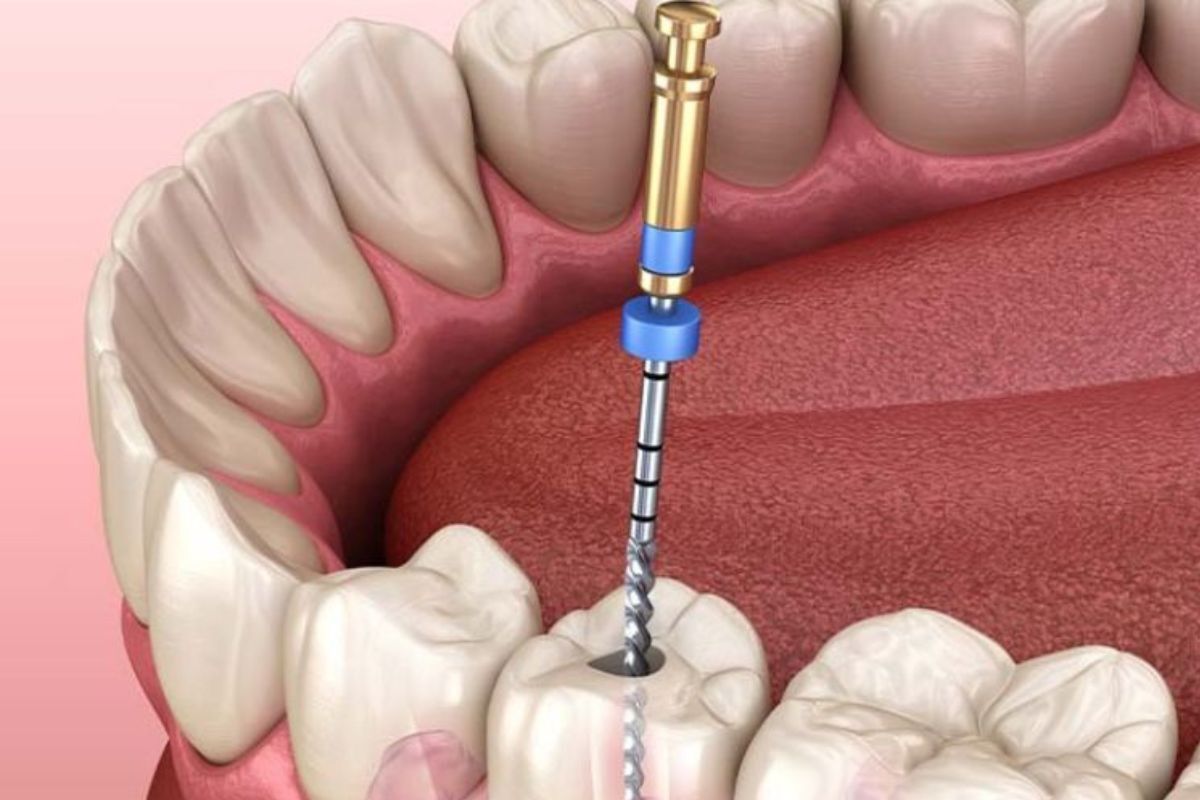
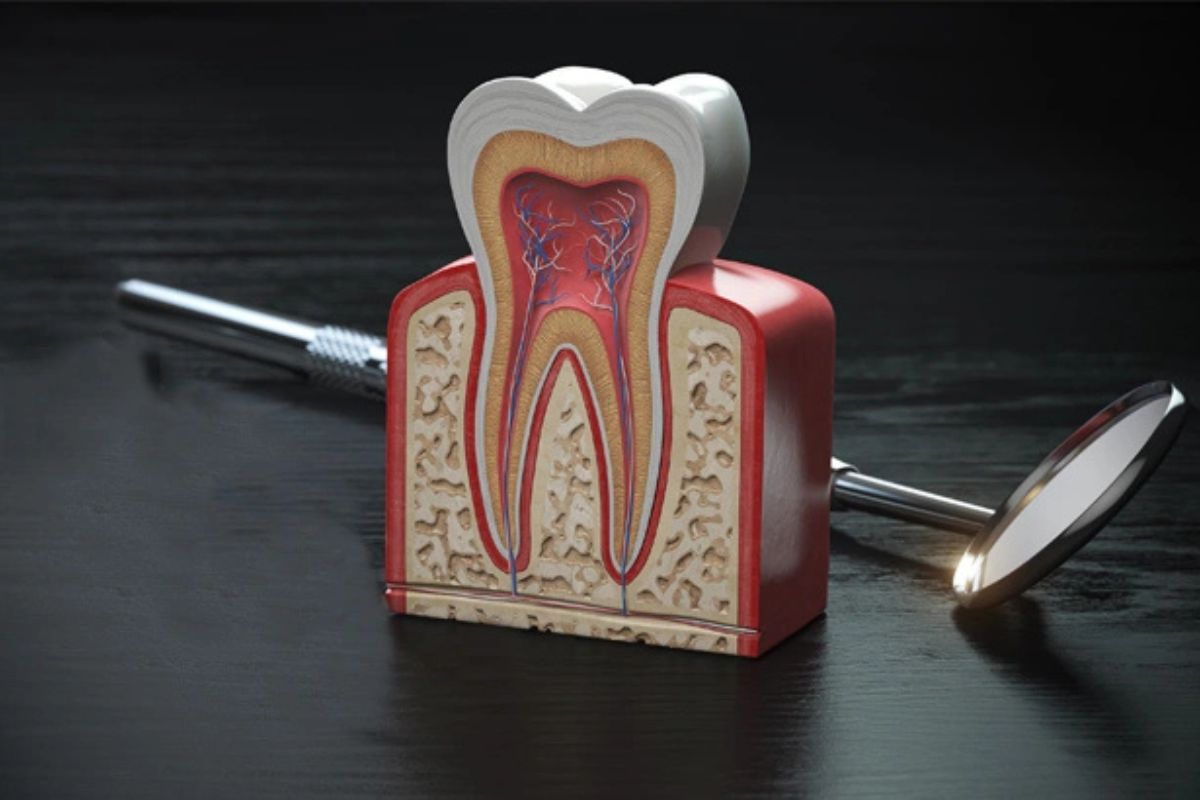
A root canal can relieve pain, save a natural tooth, and prevent future complications. While many patients feel relieved once the procedure is complete, it is common to wonder how soon normal activities can resume. Understanding the recovery process helps ensure proper healing and reduces the risk of discomfort or complications. Whether the treatment is performed for an adult or an older child requiring specialized dental care, following post-treatment instructions is essential for a smooth recovery.
How Long Does Recovery Usually Take?
Most patients recover quickly after root canal treatment. Mild tenderness or sensitivity may occur for a few days as the surrounding tissues heal. This reaction is normal and generally improves steadily.
The treated tooth may feel slightly different from neighboring teeth for a short period. However, most people can return to school, work, and other routine activities within a day.
Typical Recovery Timeline
| Recovery Stage | What to Expect |
|---|---|
| First 24 Hours | Mild soreness or numbness may remain |
| Days 2–3 | Sensitivity gradually decreases |
| Days 4–7 | Most normal activities resume comfortably |
| Following Weeks | Tooth continues to stabilize and function normally |
Can You Go Back to School or Work the Same Day?
Many patients can return to light activities shortly after treatment. However, if sedation was used, extra rest may be recommended for the remainder of the day.
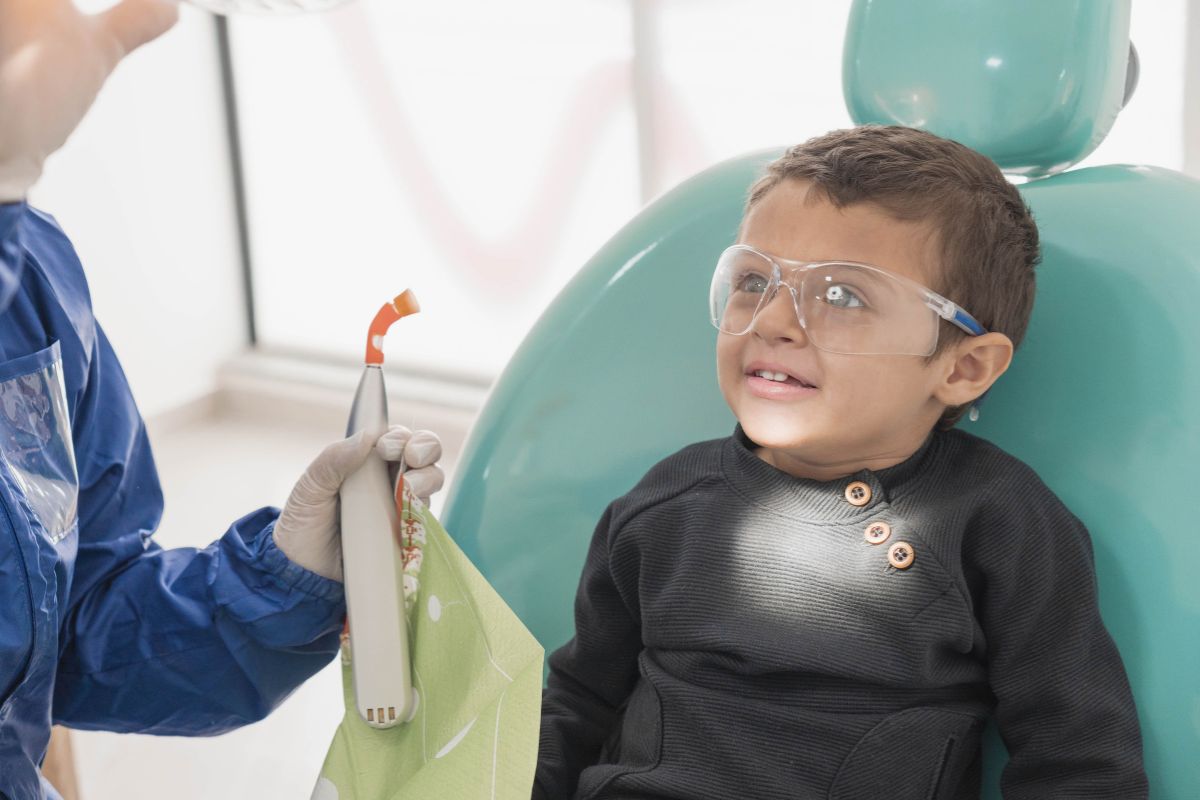
Children and teenagers who undergo treatment should avoid strenuous activities immediately afterward. A quiet day at home often supports a more comfortable recovery.
Patients receiving root canal therapy at our dental office in Arcadia frequently ask whether they need several days off. In most cases, extended downtime is unnecessary unless additional treatment or significant infection was present before the procedure.
Is Exercise Safe After a Root Canal?
Light Physical Activity
Walking and other gentle activities are generally safe after treatment. Light movement can help patients feel more comfortable without placing unnecessary stress on the healing area.
Intense Workouts
Heavy exercise should usually be postponed for at least 24 hours. Activities that significantly increase blood pressure may contribute to throbbing sensations or discomfort around the treated tooth.
Examples include:
- Heavy weightlifting
- Intense running
- High-impact sports
- Competitive athletic training
Waiting a day before returning to vigorous exercise often promotes a smoother recovery experience.
What Foods Should You Avoid?
The treated area may remain sensitive for a short period. Choosing soft foods can help protect the tooth while healing begins.
Foods to Limit Initially
- Hard candies
- Ice
- Nuts
- Sticky candies
- Chewy snacks
- Crunchy chips
Instead, consider softer options such as yogurt, mashed potatoes, smoothies, soup, oatmeal, and scrambled eggs.
Avoid chewing directly on the treated side until your dental professional confirms it is safe to do so.
Can Children Return to Sports Quickly?
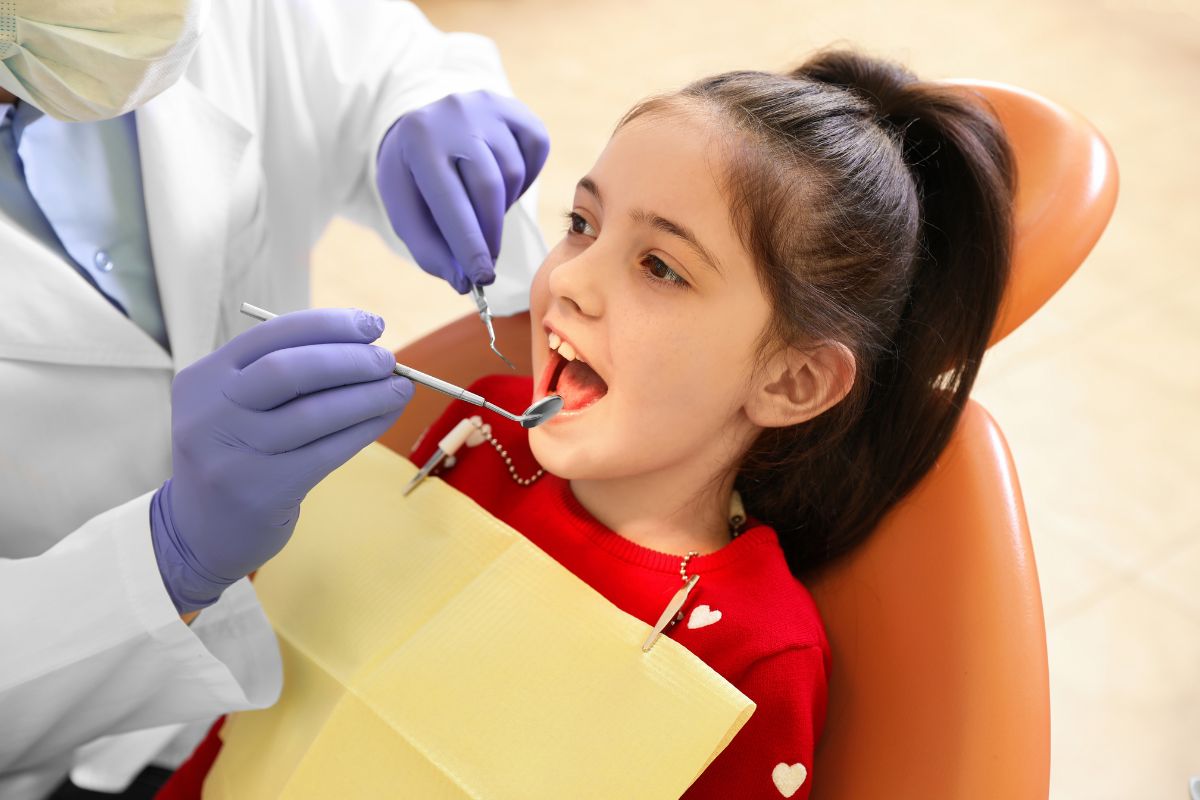
For pediatric patients, sports participation should be approached carefully during the first day after treatment.
Contact sports or activities with a risk of facial injury should be delayed until discomfort subsides. Parents should monitor their child for signs of soreness and encourage hydration and rest.
When discussing recovery expectations, Dr. David Li often emphasizes that every patient’s healing experience is unique. Following personalized instructions helps support the best outcome.
What Symptoms Are Normal During Recovery?
Some temporary symptoms are expected after root canal treatment.
Common Recovery Signs
- Mild tenderness
- Sensitivity when biting
- Temporary jaw soreness
- Slight inflammation around the area
These symptoms generally improve within a few days.
When Should You Contact a Dental Professional?
Seek evaluation if you experience:
- Severe pain that worsens
- Significant swelling
- Fever
- Difficulty swallowing
- Persistent discomfort beyond several days
Prompt attention helps ensure healing remains on track.
At this stage, many families appreciate having a clear recovery plan. If additional questions arise after treatment, it is always beneficial to schedule an appointment for professional guidance and reassurance.
Trending FAQs About Root Canal Recovery
- Can I go to work the day after a root canal?
Yes. Most patients return to normal work activities within 24 hours. - Can I exercise after a root canal?
Light exercise is usually fine. Avoid strenuous activity for at least one day. - How long does pain last after a root canal?
Mild discomfort often lasts a few days and gradually improves. - Can I eat immediately after a root canal?
Wait until numbness wears off, then choose soft foods. - Can a treated tooth feel sensitive afterward?
Yes. Temporary sensitivity is common during healing. - When can my child return to sports?
Usually within a day or two, depending on comfort and activity level.
How Can You Support a Smooth Recovery?
Successful healing depends on following aftercare instructions carefully. Maintain good oral hygiene, take medications as directed, avoid chewing hard foods on the treated side, and attend recommended follow-up visits.
Recovery is typically straightforward, allowing patients to return to daily routines quickly. If you are searching for a endodontist near Arcadia, finding a specialist who prioritizes patient education and personalized care can make the entire experience more comfortable and predictable.
Returning to normal life after root canal therapy is often easier than many people expect. With proper care and attention to recovery guidelines, most patients resume their usual activities within a short time. Understanding activity restrictions, dietary recommendations, and healing expectations helps protect the treated tooth and support long-term oral health. If you have concerns about recovery or need individualized guidance, schedule an evaluation to discuss the best next steps for your situation.