We Answer the Web’s Top 10 ‘Scary’ Root Canal Questions


Have you ever felt a sharp twinge in your tooth that makes you dread a trip to the dentist? Many people share that fear, especially when it comes to procedures that sound intense. But knowledge can ease those worries. This post dives into the most common concerns, offering clear answers to help you feel more at ease.
Understanding Root Canal Basics
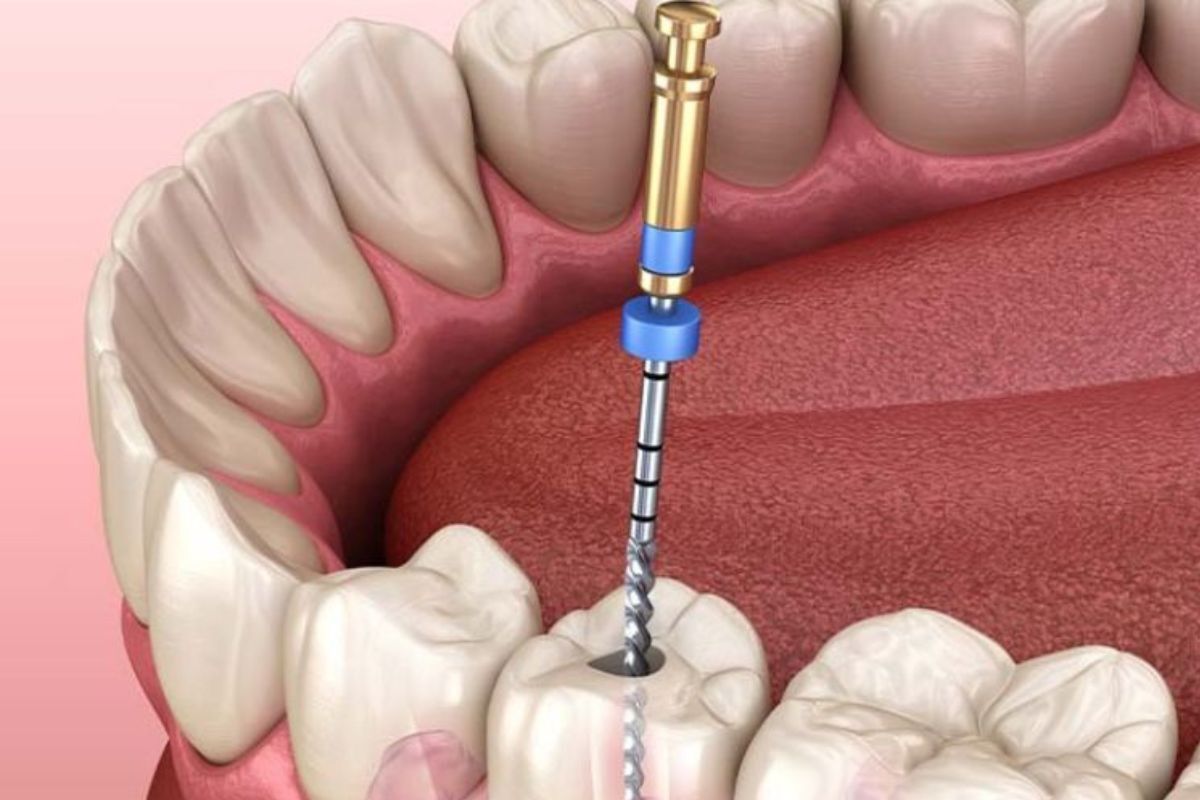
Root canals treat infections deep inside the tooth. The process removes damaged tissue to save the natural structure. Experts use advanced tools for precision. In places like Arcadia, specialists focus on patient comfort. They employ techniques that minimize discomfort.
Modern endodontics has evolved. Over 15 million such treatments happen yearly in the U.S. Success rates hover around 95%. Patients often report relief after the procedure. It prevents further issues like abscesses.
Why Root Canals Seem Scary
Myths fuel the fear. Old stories paint them as painful ordeals. Reality differs. Anesthesia ensures numbness during treatment. Post-procedure soreness fades quickly. Education dispels these notions.
Common triggers include deep decay or trauma. Symptoms like swelling prompt action. Delaying can worsen problems. Early intervention preserves teeth.
The Top 10 Scary Questions Answered
Here, we tackle the questions that keep people up at night. Each answer draws from expert insights.
1. Is a Root Canal Painful?
No, it’s not. Local anesthesia numbs the area completely. Most feel pressure, not pain. Advances in techniques make it comparable to a filling. Discomfort afterward is mild and manageable.
2. Does Root Canal Cause Illness?
This is a debunked myth. No scientific link exists to systemic diseases. Proper treatment eliminates bacteria safely. Millions undergo it without issues. Focus on facts, not outdated claims.
3. Is Extraction Better Than Root Canal?
Saving the natural tooth is ideal. Extraction leads to bone loss or shifts in bite. Root canal keeps the function intact. It supports long-term oral health. Consult a specialist for personalized advice.
4. How Long Does the Procedure Take?
Typically, one to two hours. It depends on tooth complexity. Molars may need more time. Sessions can be split if needed. Efficiency comes from skilled hands and tech like 3D imaging.
5. What Symptoms Indicate I Need One?
Watch for persistent pain or sensitivity to hot/cold. Swelling around the gum signals infection. Darkening of the tooth or a pimple on the gum a red flags. See a pro if these appear.
6. What If the Treatment Fails?
Rare, but possible. Retreatment addresses issues like hidden canals. Success often exceeds 90% on retry. Monitoring ensures early detection. Healthy habits boost outcomes.
7. How Is Recovery After a Root Canal?
Quick for most. Soreness lasts a few days. Eat soft foods initially. Avoid chewing on the treated side. Full healing occurs in weeks. Follow care instructions for best results.
8. Are There Risks Involved?
Minimal with experts. Infection risk is low if sealed properly. Allergic reactions to materials are rare. Benefits outweigh potential complications. Choose experienced providers.
9. Do I Need a Crown Afterward?
Yes, often. It protects the weakened tooth. Crowns restore strength and appearance. Placement happens after healing. This step prevents fractures.
10. What Alternatives Exist?
Few match effectiveness. Antibiotics offer temporary relief. Extraction is a last resort. Pulpotomy suits some cases. Discuss options based on your situation.
Key Stats on Root Canal Treatments
Root canals boast impressive numbers. Here’s a quick look:
| Statistic | Detail |
|---|---|
| Annual Procedures in U.S. | Over 15 million |
| Success Rate | 95-98% |
| Teeth Saved Yearly | Millions, preventing extractions |
| Average Recovery Time | 3-5 days for mild soreness |
These figures highlight reliability. Data from endodontic associations underscores the value.
Integrating Advanced Care
Specialists use tools like cone beam CT for detailed views. This aids in treating complex cases. Gentle methods can clean canals thoroughly. Patients in areas with access to such tech benefit greatly.
Root canal therapy in Arcadia, CA, leverages these innovations. It focuses on precision and comfort. Infections get cleared effectively.
Addressing Patient Concerns
Many worry about daily life post-treatment. Driving home is fine after local anesthesia. Work resumption happens quickly. Sensitivity may linger briefly.
Bold expertise matters. An endodontist in Arcadia, CA, brings specialized training. They handle pulp issues with skill.
Trending FAQs on Root Canals
Based on popular Google searches, here are key FAQs with answers:
- What is a root canal?
It’s a treatment to remove infected pulp inside the tooth, then seal it to prevent further issues. - When do you need a root canal?
If decay or injury reaches the pulp, it can cause pain or infection. - Is a root canal painful?
Modern methods make it painless during the process; post-op discomfort is minimal. - What happens during a root canal?
The dentist numbs the area, removes damaged tissue, cleans, and fills the space. - How long is the recovery after a root canal?
Most feel better in days; full healing takes weeks. - Can a root canal fail? Rarely, but retreatment is possible if the infection returns.
- What are the signs of needing a root canal?
Severe pain, swelling, or prolonged sensitivity. - Are root canals safe?
Yes, with no proven links to other health problems. - How to care for teeth after?
Avoid hard foods; maintain oral hygiene. - What’s the difference between a dentist and an endodontist?
Endodontists specialize in root canals for complex cases.
These cover frequent queries. They provide quick insights.
If you are searching for an endodontist in Arcadia, CA, know that local experts prioritize your comfort and use cutting-edge approaches.
Facing dental fears head-on leads to better health. Root canals restore smiles and function. Don’t let myths hold you back. Reach out today to (626)-445-8530 to schedule an appointment. Your brighter tomorrow starts now.