Why Does My Tooth Hurt After a Root Canal?

Experiencing discomfort after a root canal can be unsettling. You expected relief, but now your tooth aches. Don’t worry—this is more common than you think. Let’s explore why this happens, what’s normal, and when to seek help. This guide offers clear, expert insights to ease your concerns and keep your smile healthy.
Understanding Root Canal Therapy
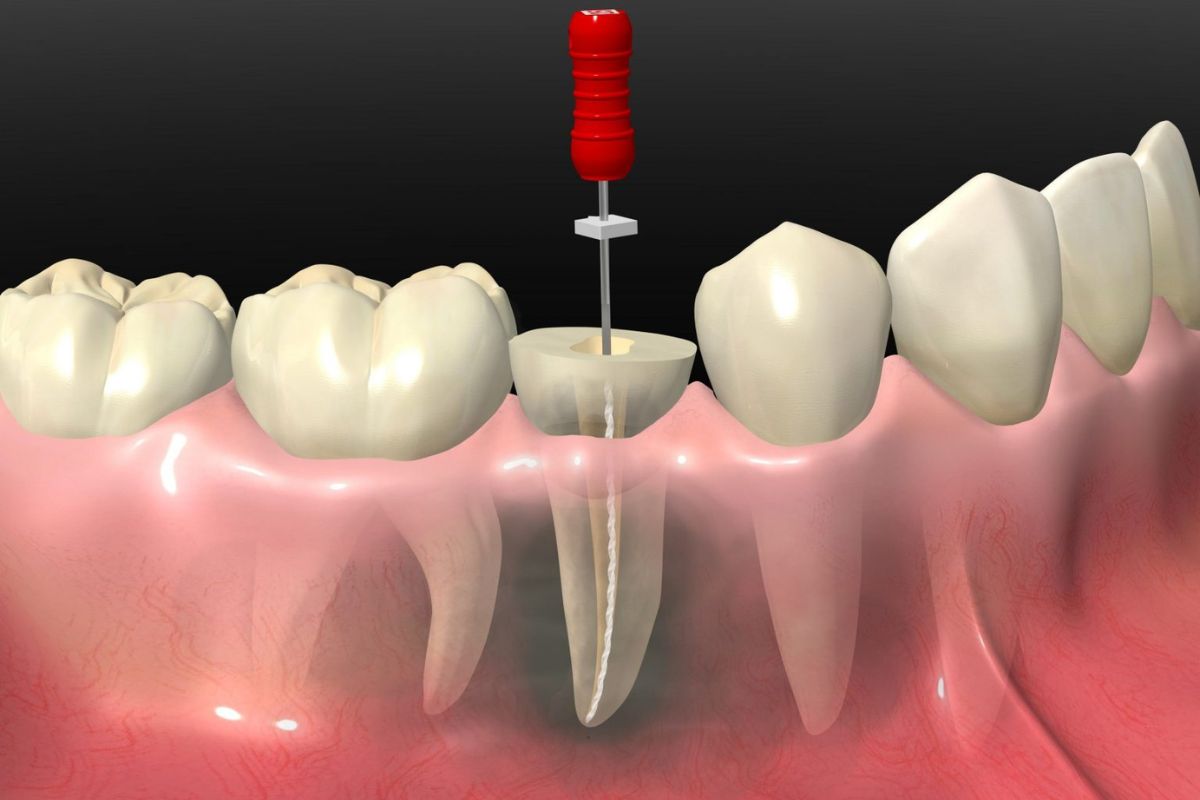
A root canal is a dental procedure to save a damaged or infected tooth. It involves removing the inflamed or infected pulp, cleaning the inner canals, and sealing them to prevent further issues. While highly effective, some discomfort afterward is normal as your body adjusts.
Why Pain Occurs Post-Treatment
Pain after a root canal doesn’t always signal a problem. Several factors can contribute:
- Inflammation: The tissues around the tooth may be inflamed from the infection or the procedure itself.
- Residual Sensitivity: Nerves near the tooth can remain sensitive after treatment.
- Temporary Irritation: Dental tools or materials used during the procedure may cause short-term discomfort.
Most post-treatment pain is mild and fades within days. Understanding these causes can help you stay calm while your tooth heals.
Common Reasons for Post-Root Canal Pain
Let’s dive into the specific reasons your tooth might hurt after root canal therapy in Arcadia, CA.
1. Lingering Inflammation
Even after the infected pulp is removed, surrounding tissues may stay inflamed. This can happen if the infection was severe or spread to the bone. The inflammation usually subsides within a week or two with proper care.
2. High Bite Pressure
Sometimes, the treated tooth feels sensitive when chewing. This can occur if the tooth sits slightly higher than its neighbors, causing extra pressure. A quick visit to your endodontist for an adjustment can resolve this.
3. Incomplete Healing
Healing takes time. The tooth’s supporting structures, like ligaments and bone, may need weeks to fully recover. Minor discomfort during this period is normal but should gradually decrease.
4. Secondary Infection
In rare cases, a new infection can develop if bacteria re-enter the tooth or if some infected tissue was missed. This may cause persistent or worsening pain, requiring prompt attention.
5. Cracked Tooth or Filling Issues
A crack in the tooth or a loose filling can cause discomfort after a root canal. This may happen if the tooth was already weakened or if the restoration (like a crown) isn’t properly sealed.
When to Seek Professional Help
While mild pain is expected, certain symptoms warrant a follow-up. If you are searching for an “endodontist near me“, knowing when to act is key. Contact your endodontist if you experience:
- Severe pain that doesn’t improve after a few days
- Swelling around the tooth or gums
- A noticeable abscess or pimple on the gums
- Fever or a feeling of being unwell
- Persistent sensitivity to hot or cold
These could indicate complications like reinfection or an improperly sealed canal.
Trending FAQs About Post-Root Canal Pain
Here are answers to common questions people ask about discomfort after a root canal, based on popular online searches:
- Is it normal to have pain after a root canal?
Yes, mild to moderate pain is common for a few days to a week. It should gradually decrease with time. - How long does tooth pain last after a root canal?
Most discomfort lasts 3–7 days. Severe pain beyond a week may need professional evaluation. - Can a root canal fail?
While rare, a root canal can fail if bacteria persist or the tooth is damaged. Regular check-ups help prevent this. - What can I do to relieve pain after a root canal?
Take over-the-counter pain relievers like ibuprofen, avoid chewing on the treated tooth, and follow your endodontist’s care instructions. - Why does my tooth feel sensitive when I chew?
Sensitivity may stem from inflammation or a high bite. An endodontist can adjust the tooth to ease pressure.
Tips to Manage Discomfort at Home
You can take simple steps to reduce pain and promote healing:
1. Follow Aftercare Instructions
Your endodontist will provide specific guidelines. Stick to them, including any prescribed medications or oral hygiene practices.
2. Use Over-the-Counter Pain Relief
Ibuprofen or acetaminophen can help manage mild pain and reduce inflammation. Always follow dosage instructions.
3. Avoid Hard or Sticky Foods
Chewing tough foods can irritate the treated tooth. Opt for soft foods like yogurt, soup, or mashed potatoes for a few days.
4. Keep Up Oral Hygiene
Gently brush and floss around the treated area to prevent infection. Use a soft-bristled toothbrush to avoid irritation.
5. Apply a Cold Compress
If swelling occurs, a cold compress on the cheek can reduce discomfort and inflammation. Use it for 10–15 minutes at a time.
Preventing Future Dental Issues
To protect your treated tooth and overall oral health:
- Get a Permanent Restoration: A crown or filling is often needed to strengthen the tooth. Don’t delay this step.
- Maintain Regular Dental Visits: Routine check-ups catch problems early.
- Practice Good Oral Hygiene: Brush twice daily, floss, and use an antiseptic mouthwash.
- Avoid Smoking or Excessive Alcohol: These can slow healing and harm dental health.
Taking these steps ensures your root canal treatment lasts and keeps your smile strong.
When Pain Persists: Next Steps
If discomfort lingers beyond a week or worsens, don’t ignore it. A specialist can assess whether the root canal needs retreatment or if another issue, like a cracked tooth, is at play. Advanced tools like digital X-rays or 3D imaging can pinpoint the cause. Acting quickly prevents complications and preserves your tooth.
Take Control of Your Dental Health
Feeling pain after a root canal can be concerning, but most discomfort is temporary and manageable. By understanding the causes, following aftercare tips, and knowing when to seek help, you can ensure a smooth recovery. For expert care tailored to your needs, contact The Ivy Institute at (626) 445-8530 to schedule an appointment. Your smile deserves the best—take the next step toward lasting dental health today.