How to Avoid a Root Canal: 5 Habits You Wish You Knew


Root canals can feel daunting, but the good news is that they’re often preventable with the right habits. Many people fear the procedure due to misconceptions about pain or complexity, yet maintaining good oral health can significantly reduce your risk. In this blog, we’ll explore five practical habits to help you avoid a root canal, empowering you with knowledge to protect your smile. From daily routines to understanding warning signs, these tips are designed to keep your teeth healthy and strong for years to come. Let’s dive into the habits that can make all the difference!
Why Do People Need a Root Canal?
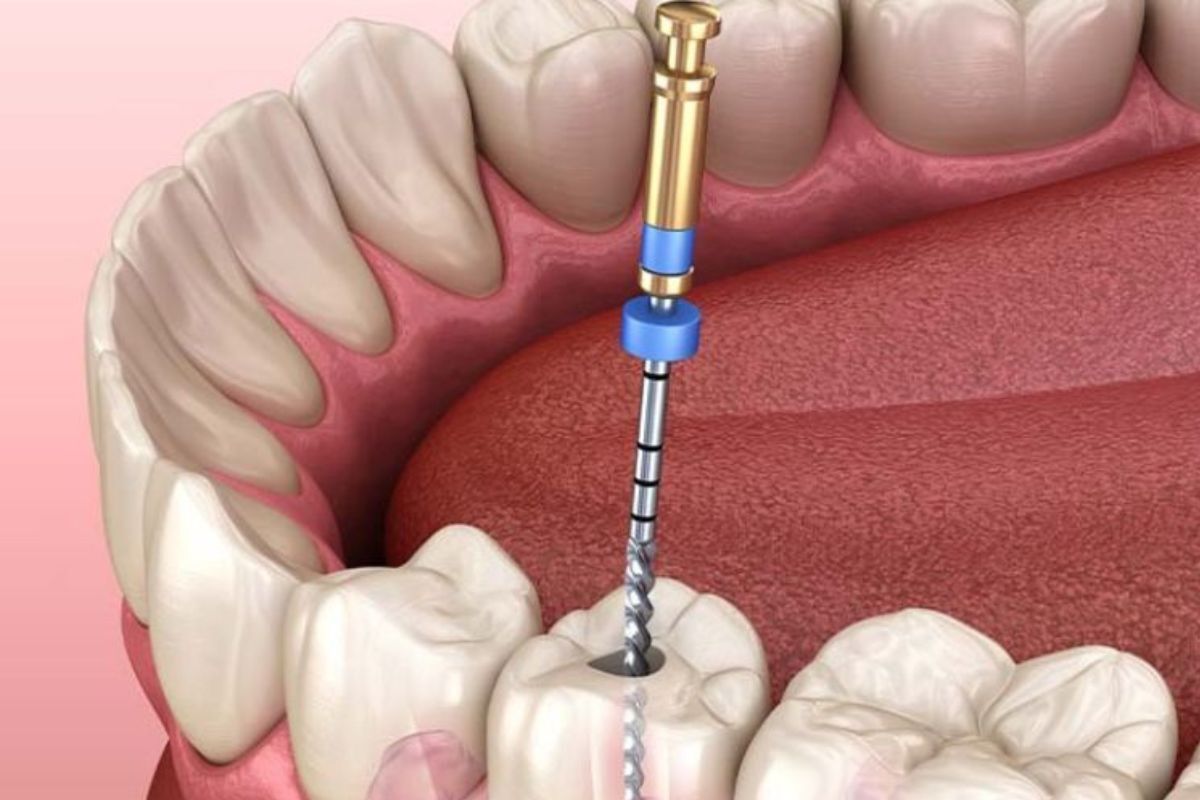
A root canal becomes necessary when the pulp inside your tooth, containing nerves and blood vessels, gets infected or damaged. This often happens due to deep decay, a cracked tooth, or trauma. Bacteria can enter the pulp, causing inflammation, pain, or even an abscess. Symptoms like severe toothache, sensitivity to hot or cold, or gum swelling are common indicators. The American Association of Endodontists states that over 15 million root canals are performed annually in the U.S., highlighting how common this issue is. However, adopting preventive habits can help you avoid this procedure altogether.
Habit 1: Prioritize Consistent Oral Hygiene
Good oral hygiene is your first line of defense against tooth decay and infections. Brush your teeth twice daily with a fluoride toothpaste to remove plaque and bacteria. Floss daily to clean between teeth where brushes can’t reach. Plaque buildup can lead to cavities, which, if untreated, may progress to the pulp and necessitate a root canal. Using an antimicrobial mouthwash can also reduce harmful bacteria in your mouth. Consistency matters—skipping even a day can allow decay to start. Make oral hygiene a non-negotiable part of your routine to keep your teeth healthy.
Habit 2: Watch Your Diet for Better Dental Health
What you eat directly impacts your dental health. Sugary foods and drinks, like soda or candy, feed harmful bacteria that produce acids, eroding enamel and causing cavities. Limit these treats and opt for tooth-friendly foods instead. Crunchy fruits and vegetables, like apples or carrots, naturally clean teeth while you chew. Dairy products, such as cheese and yogurt, are rich in calcium and help neutralize acids in your mouth. Drinking plenty of water also washes away food particles and keeps your mouth hydrated. A balanced diet supports strong enamel, reducing the risk of decay that could lead to a root canal.
Habit 3: Schedule Regular Dental Checkups
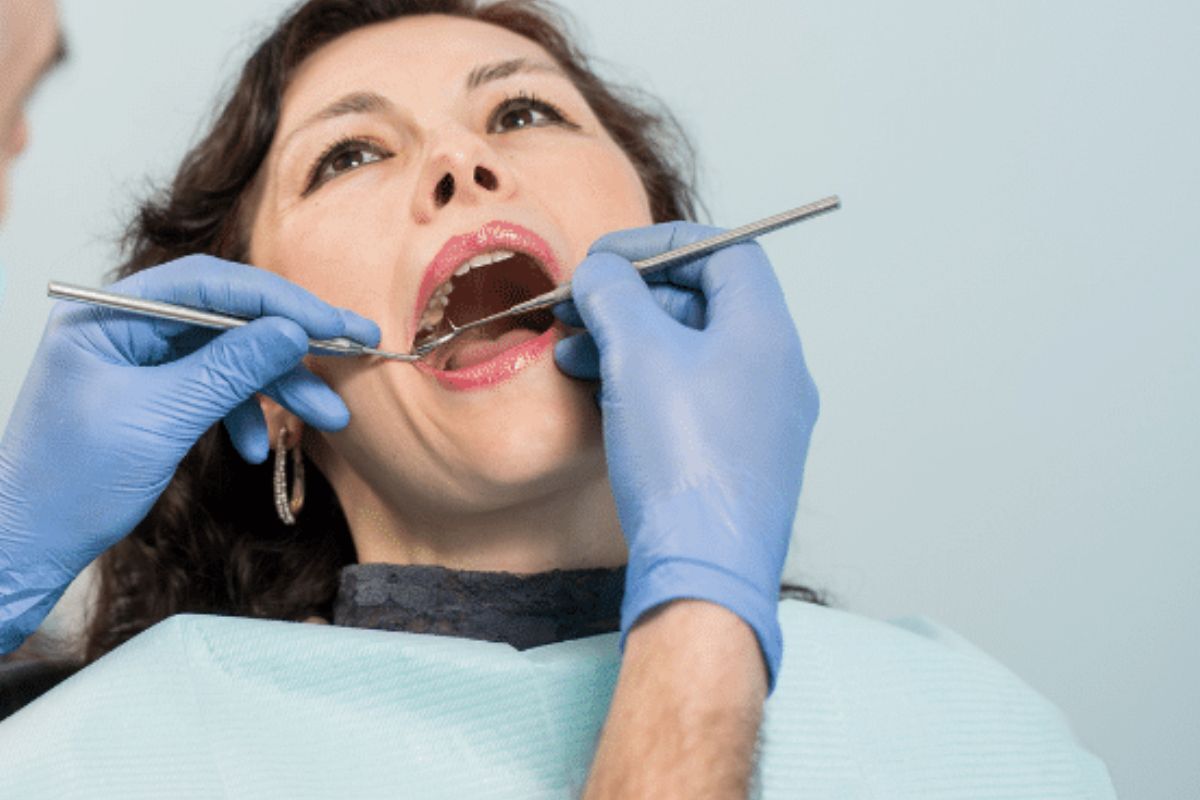
Regular dental visits can catch problems before they escalate. Dentists can spot early signs of decay, cracks, or gum disease hunt for cavities. During a checkup, they’ll examine your teeth and gums for issues that could lead to pulp infection. X-rays may also reveal hidden problems, like deep decay. The American Dental Association recommends visiting your dentist every six months. These visits allow for professional cleanings that remove tartar, which you can’t brush away at home. Early intervention—like a filling for a cavity—can prevent the need for more invasive procedures like root canal therapy in Arcadia. Don’t wait for pain to see a dentist; prevention is key.
Habit 4: Protect Your Teeth from Damage
Physical damage to teeth can expose the pulp, leading to infection. Avoid chewing on hard objects like ice, popcorn kernels, or pens, as this can cause cracks or chips. If you play sports, wear a mouthguard to shield your teeth from impact. Grinding or clenching your teeth—often due to stress—can also weaken them over time. If you notice these habits, talk to your dentist about a nightguard to protect your teeth while you sleep. Trauma-related issues, like a knocked-out tooth, require immediate attention to prevent complications. Protecting your teeth from injury is a simple yet effective way to avoid serious dental problems.
Habit 5: Act Quickly on Dental Pain or Sensitivity
Ignoring dental pain or sensitivity is a common mistake that can lead to a root canal. If you feel a persistent toothache, swelling, or sensitivity to temperature, it could signal an infection. Discoloration of a tooth or a pimple on your gums is also a red flag. These symptoms often indicate that decay has reached the pulp, and delaying treatment can worsen the problem. Contact your dentist as soon as you notice these signs. Early treatment, like a filling or antibiotics for an infection, can often save the tooth without the need for more extensive procedures. Being proactive about discomfort can make a big difference.
Trending FAQs on Avoiding a Root Canal
Here are answers to some frequently asked questions about preventing root canals, sourced from common Google searches:
- What are the first signs I might need a root canal? Severe tooth pain, prolonged sensitivity to hot or cold, gum swelling, or a discolored tooth are early warning signs.
- Can a cavity turn into a root canal? Yes, if a cavity is left untreated, decay can reach the pulp, causing infection and requiring a root canal.
- How can I naturally prevent a root canal? Maintain good oral hygiene, eat a low-sugar diet, stay hydrated, and see your dentist regularly for checkups.
- Does a root canal hurt? Modern techniques and anesthesia make the procedure comfortable, with most patients feeling relief from pain afterward.
- Can I avoid a root canal with antibiotics? Antibiotics can help manage infection temporarily, but they won’t fix the underlying issue—professional treatment is usually needed.
When to See a Specialist for Dental Concerns
If you’re experiencing severe symptoms or suspect an infection, it may be time to consult a specialist. Searching for an “endodontist near me” can connect you with an expert in root canal treatments and other pulp-related issues. These professionals have advanced training to diagnose and treat complex dental problems, ensuring your tooth is handled with care. Scheduling a consultation can provide peace of mind and a clear plan to address any concerns.
Take Control of Your Dental Health Today
Preventing a root canal comes down to proactive care and awareness. By focusing on oral hygiene, making smart dietary choices, visiting your dentist regularly, protecting your teeth, and addressing pain early, you can significantly lower your risk. Your smile is worth the effort—small, consistent habits can lead to a lifetime of healthy teeth. Start implementing these tips today, and enjoy the confidence that comes with a strong, pain-free smile!