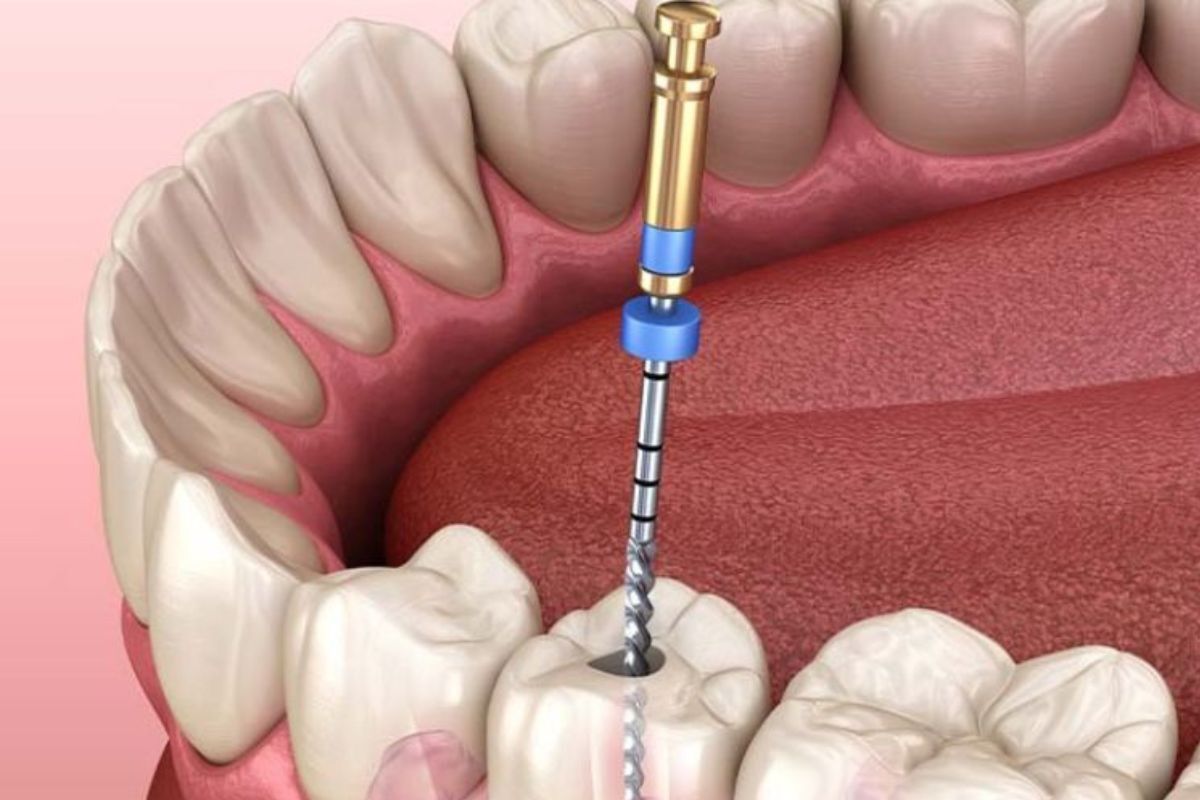
Can an Apicoectomy Save a Tooth After Root Canal Failure?


Most patients undergoing root canal therapy do not require further endodontic treatment. However, the tooth may not heal properly in some situations or may develop a new infection. When this happens, experienced dentists recommend an endodontic treatment called an apicoectomy or endodontic surgery.
This procedure involves removing the apex of the tooth or the tip of the tooth root, which extends into the jawbone and holds the entire structure in place. Each tooth has at least one root, and some may have multiple roots. If the end of the tooth root becomes inflamed or infected, a dental professional specializing in endodontics recommends an apicoectomy.
How Do You Recognize A Failed Root Canal Treatment?
Root canal therapy, also known as RCT, is performed on teeth that are highly damaged or decayed. It is the last option before tooth extraction. Patients may experience pain, swelling, and light bleeding following a root canal. These side effects are normal following the procedure. Prolonged pain well after the process; however, it does not subside. Recognize the complications of RCT below to know if the treatment failed.
- New pain in the tooth
- Pain in new areas around the tooth
- Swelling or redness of the gums around the affected tooth
Contact your endodontist in Arcadia if you have a failed root canal.
When Should An Endodontic Treatment Be Considered?
If the RCT-treated tooth becomes infected again, an apicoectomy is recommended. If there is any sign that necrotic tissue has been left behind, a root canal is often recommended a second time. However, if this is not indicated, an endodontist may consider an apicoectomy. In all cases, this treatment will only be performed if there is a good prognosis. If long-term predictability is poor, an extraction is considered the best option.
The Treatment Process
- During the consultation with the endodontist, 3D X-rays are used to perform a comprehensive visual assessment. Diagnostic imaging helps the professional better understand the source of infection and how much of the natural tooth must be removed to eradicate it from the roots.
- To start the procedure, local anesthesia is administered to numb the tooth and the surrounding gums. A small incision is then made in the gumline to access the jawbone and tooth root.
- At this particular point, a specialized dye detects hard-to-see fractures or cracks. If the tooth is beyond repair, it will be removed at the juncture. If the dental practitioner does not see the fracture, they will undergo an apicoectomy.
- To perform this, only the affected portion of the root is removed. Any inflamed tissue developed around the tooth root will also be removed. The remaining portion of the root canal is cleaned, and the end part is sealed. A final X-ray is taken before the tissue is repositioned and the incision is closed.
Healing And Recovery After Apicoectomy
Following the procedure, post-operative instructions are given. These guidelines should be followed for a speedy recovery. As bleeding and swelling are common, resting at home for the rest of the day is recommended. During the first 24 hours, apply a cold compress to the external jaw for 20 minutes. During the first few days, you must avoid brushing the area directly, keeping the surgery site clean with an antibacterial rinse. Hard, crunchy foods should be avoided as they irritate the surgical area.
Contact Our Dental Office
If you have a sore or tender tooth previously treated with RCT, schedule an appointment with our local endodontist at our dental office in Arcadia to find out if this type of treatment can benefit you.