Root Canal Therapy in Arcadia: How Do Dentists Decide if a Tooth Can Be Saved?

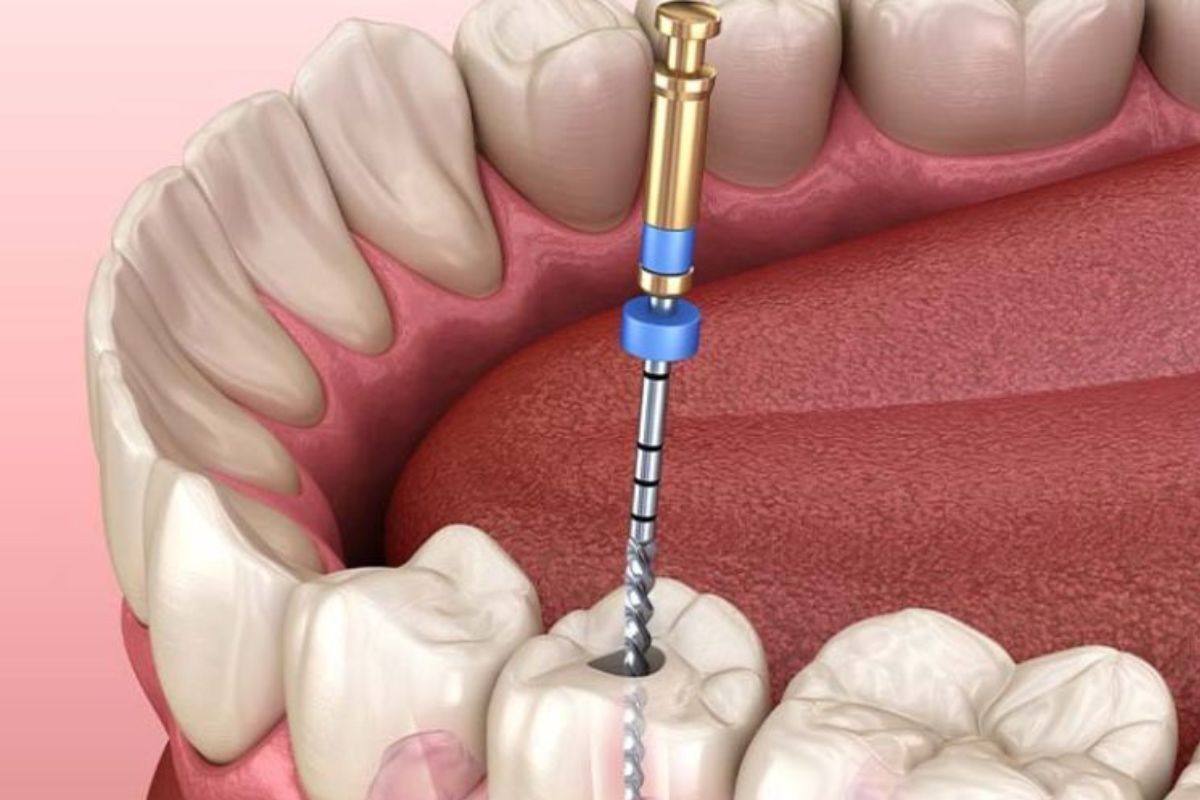
Being told that you may need root canal therapy in Arcadia can immediately bring up an important question:
Can my natural tooth actually be saved?
Root canal treatment is designed to treat disease or injury inside a tooth while preserving the natural tooth whenever possible. But not every damaged or infected tooth is automatically a good candidate for root canal treatment.
Before recommending treatment, an endodontist needs to understand what is happening inside the tooth, how much healthy tooth structure remains, and whether the tooth can be restored and supported afterward.
That decision involves more than looking for an infection on an X-ray.
Saving a Tooth Requires More Than Treating the Root Canal
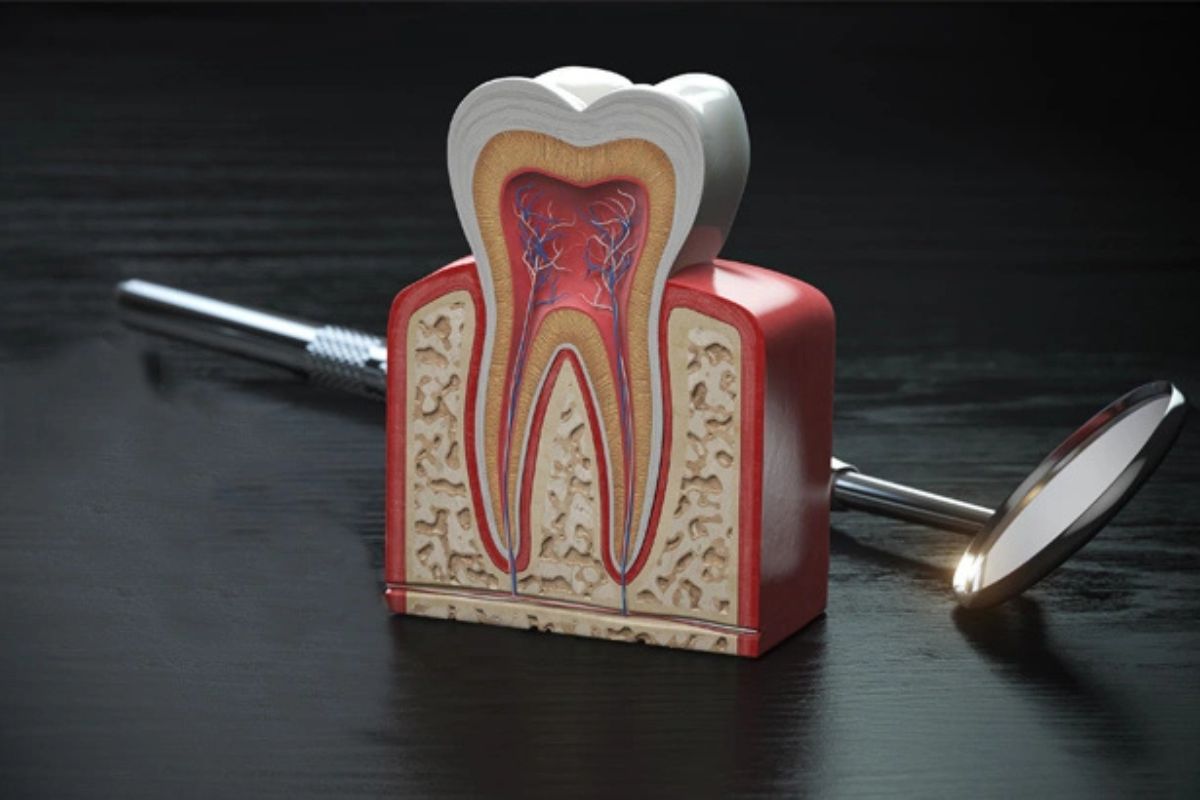
Root canal therapy focuses on the inside of the tooth, including the pulp and root canal system.
But a tooth also depends on the surrounding bone, gums, and remaining tooth structure.
A root canal can address disease inside the tooth, but the treatment will only provide a lasting solution if the tooth can ultimately function in the mouth.
That’s why an endodontic evaluation may consider several factors before treatment begins.
1. What Is Happening Inside the Tooth?
The first question is whether the pulp and root canal system are affected by inflammation, infection, or another type of disease.
An endodontist may use a combination of:
- Your dental history
- Clinical examination
- Temperature testing
- Tapping or percussion testing
- Bite testing
- Dental X-rays
- Additional imaging when appropriate
These findings help the specialist determine the likely source of the problem.
A tooth can sometimes be difficult to diagnose because pain may be poorly localized or may resemble discomfort from another tooth or surrounding structure.
The objective is to identify the actual source before treatment is recommended.
2. How Much Healthy Tooth Structure Remains?
Treating the root canal is only part of saving the tooth.
After treatment, the remaining tooth must be capable of supporting an appropriate restoration.
Extensive decay, fractures, previous restorations, or loss of tooth structure can affect that decision.
For example, a tooth with enough remaining structure to support a restoration may be a reasonable candidate for root canal treatment.
A tooth that has been severely damaged may present a different clinical situation.
Your endodontist and restorative dentist may therefore need to consider the tooth’s condition together with the planned restoration.
3. Is the Tooth Cracked or Fractured?
Cracks can complicate treatment planning.
Not every crack means a tooth must be removed. The location, depth, direction, and extent of the crack matter.
A crack that affects the pulp may sometimes be treated with endodontic therapy if the tooth remains restorable.
However, certain fractures can extend into areas that make predictable restoration difficult or impossible.
This is one reason a detailed examination is important before assuming that root canal treatment is the correct solution.
4. Does the Tooth Have Adequate Periodontal Support?
The tooth does not exist independently of the tissues surrounding it.
The gums and supporting bone help hold the tooth in position.
If significant periodontal disease or bone loss affects a tooth, that condition may influence whether saving the tooth is predictable.
An endodontic treatment plan may therefore need to consider periodontal health as well as the condition of the pulp.
In some cases, coordination between endodontic and periodontal specialists can help clarify the available options.
5. Can the Root Canal System Be Accessed and Treated?
Root canal anatomy varies from tooth to tooth.
Some teeth have narrow, curved, calcified, or unusually shaped canals that can make treatment more technically challenging.
Previous dental treatment can also alter the anatomy or make access more difficult.
Endodontists receive additional training in diagnosing and treating problems involving the dental pulp and root canal system. Advanced instruments, magnification, and imaging may be used when appropriate for a complex case.
The goal is not simply to find a canal and fill it. The treatment needs to address the diseased root canal system as thoroughly as the anatomy allows.
6. Is There a Predictable Way to Restore the Tooth?
A successful root canal is only one part of the overall treatment.
After the internal infection or inflammation has been addressed, the tooth generally needs an appropriate restoration to return to normal function and protect the remaining tooth structure.
The type of restoration depends on factors such as:
- The tooth’s location
- Amount of remaining tooth structure
- Existing restorations
- Bite forces
- Overall dental condition
This is why your endodontist may communicate with your general dentist or restorative provider during treatment planning.
What If Root Canal Treatment Has Already Failed?
A previously treated tooth isn’t necessarily hopeless.
If a tooth develops symptoms or infection after an earlier root canal, an endodontist can evaluate why the original treatment did not produce the expected result.
Possible factors may include untreated canal anatomy, reinfection, leakage around a restoration, or other complications.
Depending on the findings, treatment options may include nonsurgical retreatment, surgical endodontic treatment such as an apicoectomy, or extraction when the tooth cannot be predictably saved.
The appropriate choice depends on the individual tooth.
Why Diagnosis Matters Before Root Canal Therapy
It can be tempting to assume that severe tooth pain automatically means you need a root canal.
The opposite can also happen: a serious dental problem may cause relatively little discomfort.
Neither pain level nor a single image tells the entire story.
A proper endodontic evaluation brings together symptoms, clinical findings, imaging, tooth structure, surrounding tissues, and the ability to restore the tooth.
That information helps the specialist determine whether root canal treatment is appropriate and whether preserving the natural tooth is a realistic goal.
When an Endodontist May Be Especially Helpful
A general dentist can diagnose and treat many dental problems, but some cases are more complex.
An endodontic evaluation may be particularly useful when there is:
- Difficult or unusual root anatomy
- A previous root canal
- Persistent symptoms after treatment
- Significant infection
- Suspected cracks
- Dental trauma
- A tooth with complicated treatment history
Endodontists receive advanced specialty training focused on diseases and injuries involving the dental pulp and root structures.
Root Canal Therapy in Arcadia, CA
If you’re searching for root canal therapy in Arcadia, consider whether the practice can provide an evaluation that looks at the entire tooth—not just the infection inside it.
The Ivy Institute is a specialty practice in Arcadia offering endodontic care, including root canal therapy and retreatment.
The purpose of an endodontic evaluation is to understand the condition of your tooth and determine which treatment option is most appropriate for your situation.
In some cases, that means treating the tooth and preserving it. In others, the evaluation may show that another approach would provide a more predictable outcome.
The Bottom Line
The question isn’t simply, “Do I need a root canal?”
A more important question may be:
“Can this tooth be predictably treated, restored, and maintained?”
An endodontist considers the condition of the pulp, root canal anatomy, remaining tooth structure, cracks, periodontal support, and restorative possibilities before recommending treatment.
If you’ve been told you may need root canal therapy in Arcadia, an endodontic evaluation can help you understand the condition of your tooth and the options available.
FAQs
How does an endodontist determine whether a tooth can be saved?
An endodontist evaluates the pulp, root canal anatomy, remaining tooth structure, surrounding bone and gums, cracks or fractures, and whether the tooth can be predictably restored after treatment.
Can a cracked tooth still receive root canal therapy?
Sometimes. It depends on the location and extent of the crack and whether enough healthy tooth structure remains for predictable restoration.
Does bone loss prevent root canal treatment?
Not necessarily. The amount and cause of bone loss, periodontal condition, and overall prognosis need to be evaluated before deciding whether the tooth can be saved.
What happens if a root canal-treated tooth becomes infected again?
An endodontist can evaluate the cause of the problem. Depending on the findings, retreatment, an apicoectomy, or another treatment option may be considered.
Is extraction always necessary if a tooth has severe damage?
No. The appropriate treatment depends on whether the tooth can be predictably treated and restored. In some cases, root canal therapy or another endodontic procedure may preserve the natural tooth.